


Energy Minister Eli Cohen emerged as the clear winner of the Likud primary, taking first place with 46,224 votes and finishing more than 3,000 votes ahead of Knesset Speaker Amir Ohana, who came second with 42,975.
Cohen, who placed second in the previous Likud primary, finished ahead of the party’s senior ministers, prominent Netanyahu allies and the Knesset speaker, cementing his position as one of the faction’s most popular figures.
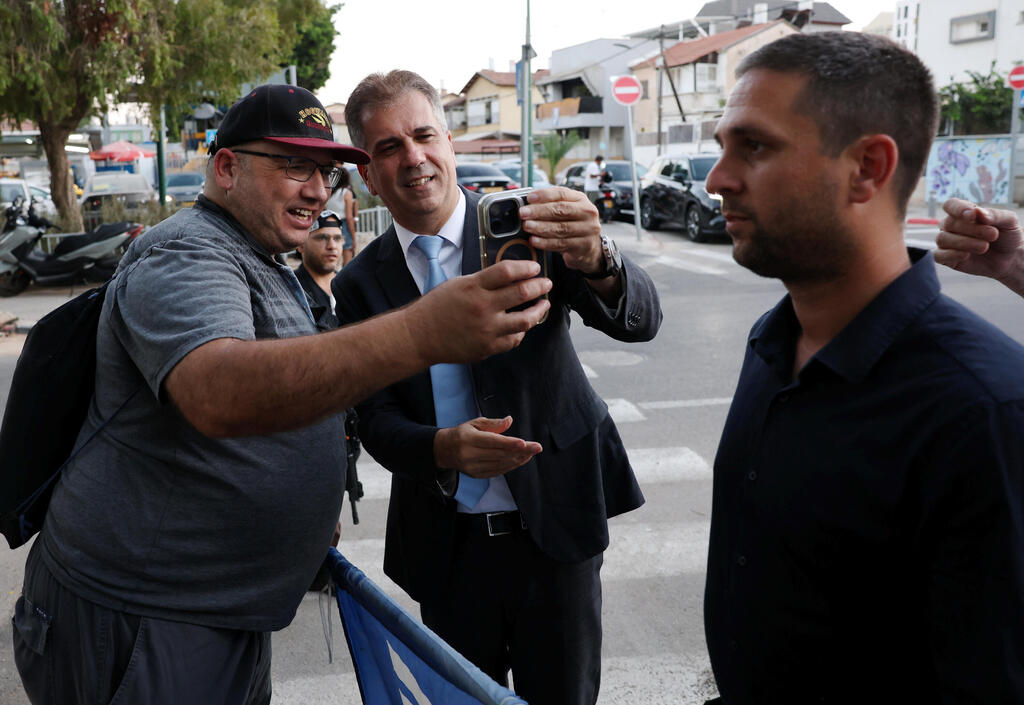
His victory was built over years of intensive work inside the party. Cohen is known for attending virtually every gathering organized by Likud Central Committee members, from small local events to major functions hosted by powerful activists. The habit became a source of jokes among some colleagues during the outgoing Knesset term, but the primary results showed how effectively that ground game translated into votes.
Cohen began his political career in Likud with support centered largely in the Holon branch, which gave him an initial base from which to expand. Over time, he built ties with additional branches and cultivated a broad network of organized support groups across the party.
That organizational strength was only part of the equation. Cohen was also among the ministers who appeared most frequently in the media throughout the term, across a wide range of platforms, helping him reach Likud’s unaffiliated primary voters as well. Party insiders say that combination of organized blocs and independent members is essential for anyone seeking a place near the top of the slate.
Two female candidates offered examples of what happens when a candidate relies too heavily on only one side of that equation. Eti Atia, backed by Haim Katz and heavily dependent on organized voters, won about 21,000 votes but failed to secure a realistic place on the slate. Tally Gotliv, whose strength came largely from independent members and whom Prime Minister Benjamin Netanyahu had sought to push down the list, finished 12th in the primary, a position expected to translate into 20th place on the final Knesset slate after reserved spots are added.
Cohen, by contrast, managed to maximize both pools of support.
As energy minister and a member of the security Cabinet, Cohen has generally cultivated a statesmanlike image. He consistently echoes the party’s political messages but rarely builds his profile around provocations or headline-grabbing confrontations.
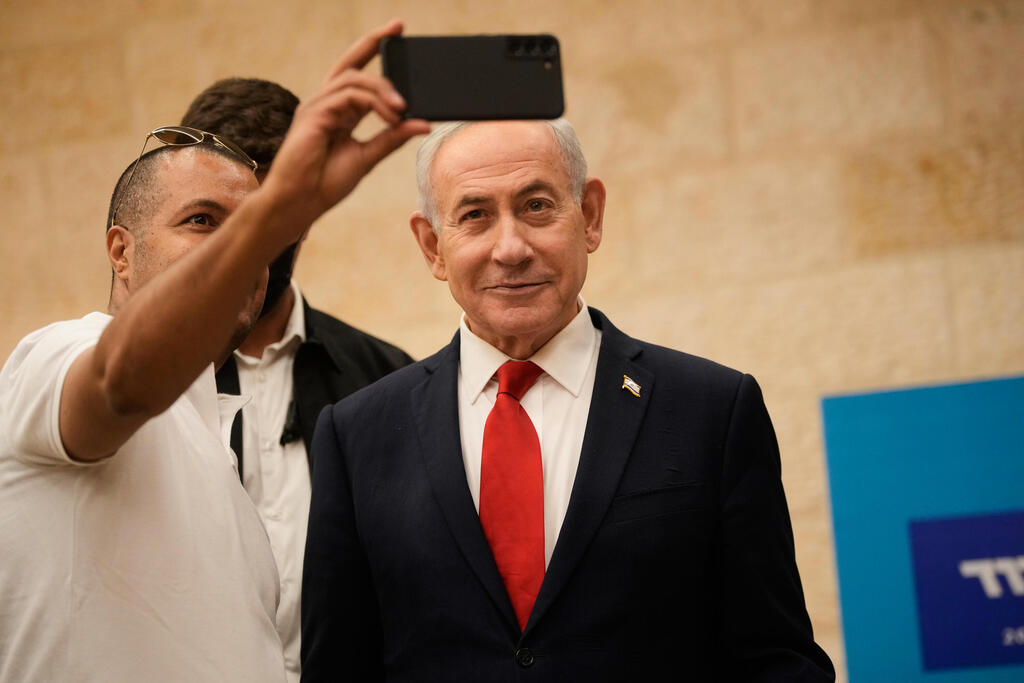
Prime Minister Benjamin Netanyahu
(Photo: AP Photo/Ohad Zwigenberg, Pool)
One of his flagship initiatives during the latest term was electricity market reform, aimed at expanding competition and allowing consumers to reduce their bills by choosing between electricity suppliers.
The size of Cohen’s primary victory could now have implications beyond the party list itself.
After the previous primary, despite finishing second, Cohen did not receive the same level of ministerial seniority as several colleagues who placed below him. Israel Katz, for example, finished 12th in that contest but went on to serve in two of the government’s most senior ministries, holding the Foreign Ministry in rotation with Cohen and later serving as defense minister.
This time, Likud officials believe Netanyahu may find it much harder to disregard Cohen’s standing if he is again tasked with forming a government. Cohen’s first-place finish, and the scale of the vote behind it, gives him a far stronger claim to one of the next Cabinet’s most senior portfolios.