


On the surface, the fighting in the Gaza Strip is stuck, much like the other war fronts where the United States and Israel are working together. In all of them, the Trump administration is trying, so far without success, to reach arrangements that would end the fighting.
Israel has been forced to adjust its military and diplomatic moves to directives from Washington, largely because Prime Minister Benjamin Netanyahu is trying not to anger President Donald Trump and risk losing U.S. military and diplomatic support on the Iran front.
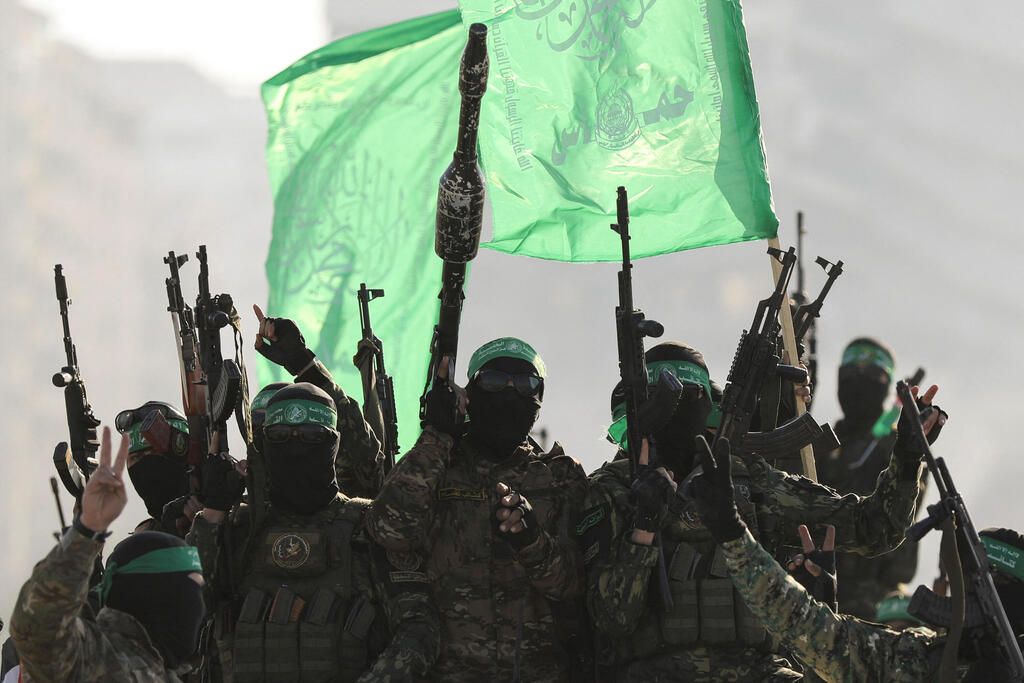
But Gaza also poses problems of its own: the government is politically unable to make the decisions needed to close the file, and the IDF faces a serious shortage of combat manpower that limits its ability to meet war goals in Gaza, Lebanon, the West Bank and Syria.
A recent development on Gaza prompted plans for a Cabinet meeting, though Netanyahu has since canceled it. The issue appears to be the demand that Hamas and Islamic Jihad disarm, the main obstacle now blocking efforts to end the war and implement Trump’s 21-point plan.
The development follows contacts in Cairo between Nikolay Mladenov, the commissioner of the “The Board of Peace,” U.S. envoy Rabbi Aryeh Lightstone and a Hamas delegation that arrived in Egypt in mid-April.
According to Mladenov, the talks produced preliminary understandings that need urgent follow-up “so as not to lose momentum.”
Officials familiar with the talks said Hamas is willing in principle to discuss partial, phased disarmament involving heavy weapons, such as missiles, rockets, medium and heavy mortars, anti-tank missiles, heavy machine guns, drones and possibly large explosive devices.
But Hamas refuses to give up light weapons, including pistols, rifles, light machine guns, RPG launchers and grenades.
According to the officials, each stage of heavy-weapons disarmament would require a parallel Israeli step, such as an IDF withdrawal or eased movement of goods and people into Gaza, so Hamas would not lose its leverage.
Hamas says it refuses to fully disarm because its members and their families would be vulnerable to clan militias already acting against them with encouragement and assistance from the Shin Bet and IDF, as well as to revenge attacks by civilians who suffered under Hamas rule.
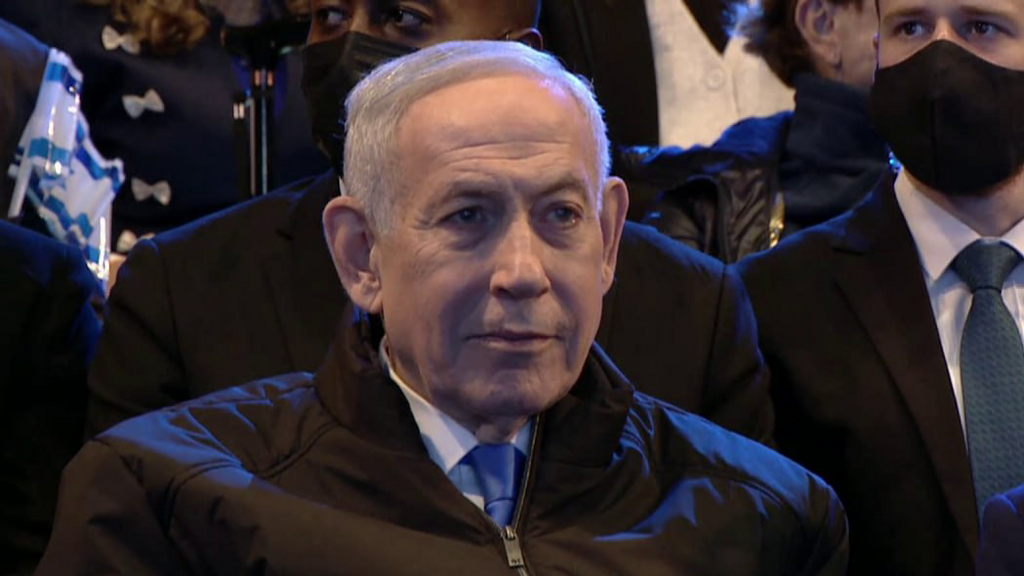
(Photo: GPO)
It remains unclear where Hamas stands on Israel’s demand that it and Islamic Jihad hand over maps of their tunnel networks so they can be destroyed. The IDF has already destroyed many major combat tunnels, especially east of the “yellow line,” but hundreds of kilometers of tunnels are believed to remain in Hamas-held areas of central Gaza.
It is also unclear whether Hamas would agree to hand over weapons-production equipment and explosives, or to exile its commanders from Gaza.
Israel says Hamas’ maximum offer on disarmament remains far from Israel’s minimum demands.
Other parts of Trump’s 21-point plan are also stalled. The multinational stabilization force has not been established, and the billions needed to fund, equip and deploy it have not been secured. Countries in Trump’s Peace Council have been slow to transfer promised funds, and money that has arrived is only partial.

(Photo: Mandel NGAN / AFP)
The Palestinian technocratic committee meant to manage Gaza is also not functioning. Three of the neutral Palestinian technocrats selected by Mladenov have already submitted resignations, saying they have not been allowed to work. Mladenov rejected the resignations, but Palestinian sources say the members are frustrated.
The international stabilization force is also not moving forward. Indonesia, Azerbaijan, Kazakhstan, Kosovo, Turkey and others have agreed in principle to send troops, but Israel opposes Turkish participation. Other countries, led by Indonesia, are waiting for agreement on Hamas disarmament and funding.
There are two developments Israel may view as positive. In municipal elections in Deir al-Balah, in Hamas-controlled territory, only 23% of eligible voters cast ballots, but Fatah won a decisive majority of seats. Polling by Khalil Shikaki also shows support for Hamas in Gaza falling from 70% after Oct. 7, 2023, to below 40% now, though support in the West Bank remains around 60%.
For now, as long as Hamas is unwilling to meaningfully disarm and as long as international funding and backing remain insufficient, Trump’s plan remains on paper.
Senior IDF officials say Israel must act. The October 2025 ceasefire halted the IDF maneuver under Operation Gideon’s Chariots B and left about 43% of Gaza under Hamas control. Hamas has used the situation to strengthen its rule over more than 2 million residents, most of them living in near-inhuman conditions in shelters in central Gaza.
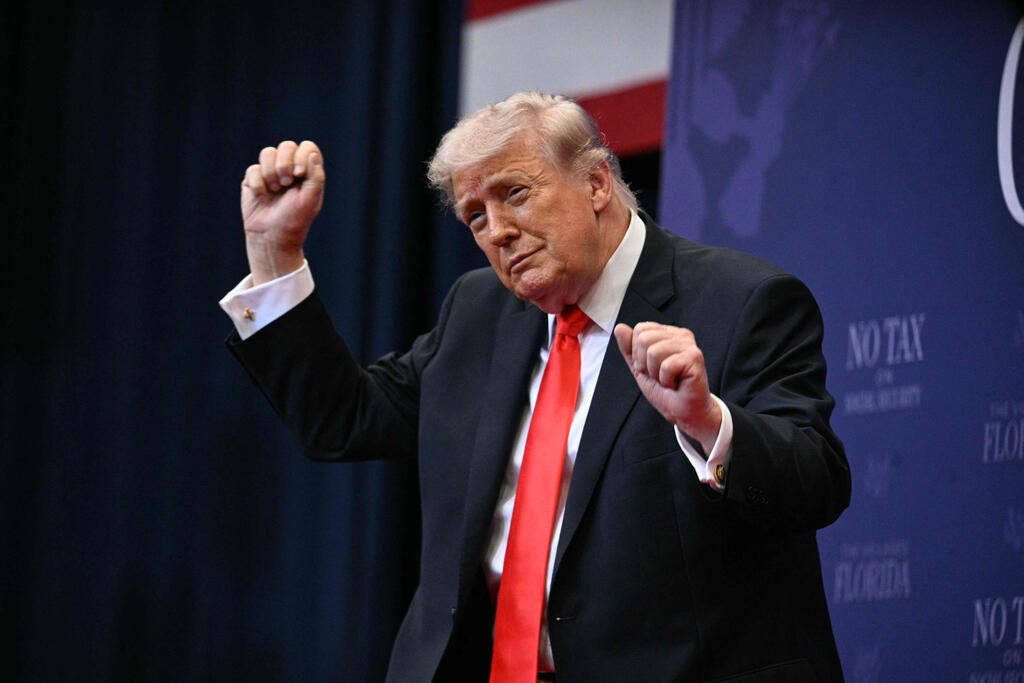
(Photo: Jim WATSON / AFP)
Hamas is willing for the “national committee” to take over civilian rule and handle health care, commerce, education and sewage. But it wants to remain, like Hezbollah in Lebanon, the main armed force controlling Gaza from behind the scenes.
The IDF does not intend to allow that. Two divisions and six brigade combat teams have recently been pushing the “yellow line” westward and increasingly targeting Hamas and Islamic Jihad officials, as well as terrorists who took part in the Oct. 7 massacre.
But senior military officials say that is not enough. They argue Israel should use the fact that there are no longer Israeli hostages in Gaza to act with full force, through firepower and maneuver, to disarm Hamas and collapse its rule, even if it operates behind the scenes.
Those officials also say that because the fighting in Lebanon is limited, forces are now available to operate in Gaza and finish the job quickly.
But they acknowledge that any such move must take into account the exhaustion of reservists, without whom a major Gaza operation is impossible, while also maintaining readiness for Lebanon and a possible flare-up in the West Bank — not to mention the need for approval from the redhead in the White House.