


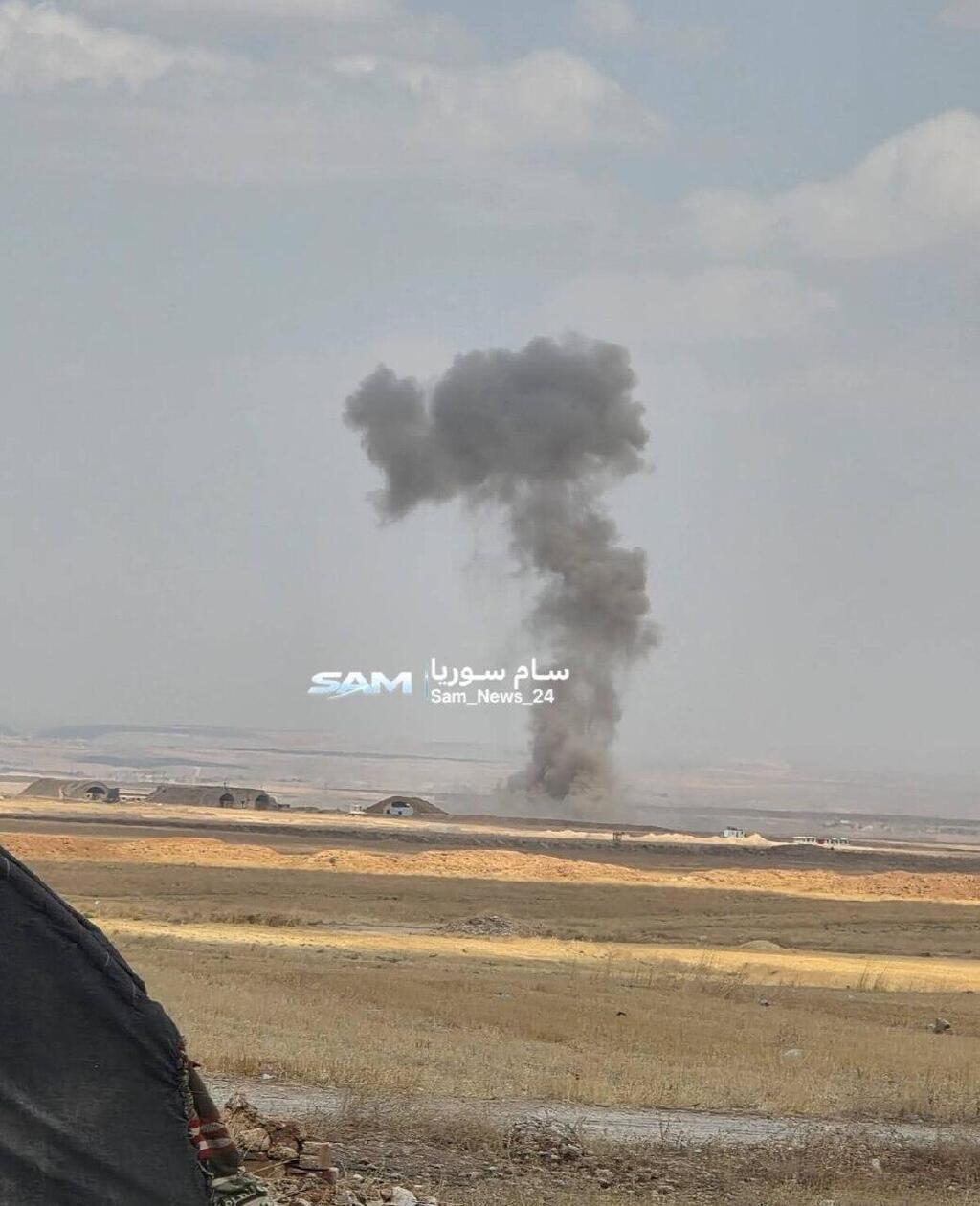
Tensions between Israel and Turkey are escalating. Following an Israeli strike on the Abu al-Duhur air base in Syria, amid concerns over Turkey’s deepening military presence in the country, the Turkish Defense Ministry said Ankara would continue helping Syria develop its military infrastructure and capabilities.
Turkey has denied that it planned to establish a base at the site, but has made no secret of its intention to continue expanding its military involvement in Syria.
IDF Chief of Staff Lt. Gen. Eyal Zamir pays a visit to the forces in southern Syria
(Video: IDF)


Turkey is not considered an enemy state by Israel. Rather, Israeli defense planners regard it as a country whose strategic alignment could shift — a state whose relations and interests can change and which is already a significant military power expanding its influence across the region.
The more immediate problem, however, is already here.
The IDF has emerged from three years of war with enormous strain on its weapons stockpiles, military systems and personnel. Israel faces threats from Iran, Hezbollah, Hamas, Syria and Yemen, with each theater requiring different capabilities. Meanwhile, the military must maintain the ability to fight a multifront war rather than assume that each front will erupt in isolation.
The gaps that have emerged in the military’s force buildup are substantial, as we have warned several times. Defense officials say they cannot disclose all of them, with good reason. Some of the information concerns stocks of munitions and missiles, some relates to production capacity and some involves procurement plans.
But the broader implication is clear: The military managed to sustain years of fighting, but in doing so it also consumed resources intended for its future needs.
That is precisely what makes the debate over Israel’s defense budget so consequential.
Israel has been discussing Prime Minister Benjamin Netanyahu’s proposed military buildup plan, estimated at about 350 billion shekels ($115.5 billion) over a decade. Finance Ministry officials have warned about the program’s scale, while claims have resurfaced in recent weeks that Netanyahu wants to reopen the state budget to allocate additional funding for the buildup.
Defense officials, however, say the money allocated so far has been intended primarily for current operations and managing the war. They say that is not enough.
Operational funding allows the IDF to continue deploying the force it already has. Since the war began, the military has spent more than 100 billion shekels ($33 billion). It pays reservists, maintains aircraft, tanks and naval vessels, purchases munitions needed immediately and keeps the military system operating.
Funding for a military buildup serves a different purpose: It creates the force Israel expects to need five and 10 years from now.
That money allows Israel to order submarines and naval vessels, expand production lines for missiles and interceptors, replenish and enlarge stockpiles, purchase defensive systems, build infrastructure and increase domestic manufacturing capacity.
And in that equation, time is the most important variable.
Even if the government decided tomorrow morning to provide all the necessary funding, the systems would not arrive the next day. In some cases, planning, manufacturing, delivery and integration take years.
A warning sign for Israel
Every month that passes without a budget decision is another month that pushes back the date when new military capabilities can become operational.
The Americans have already learned that lesson the hard way in the war with Iran. The United States entered the conflict with weapons stockpiles far larger than Israel’s, yet intensive use of munitions and missile interceptors rapidly depleted those reserves. Washington now faces years of investment to replenish its inventories.
That should serve as a warning to Israel: It cannot rely on an unlimited U.S. “airlift” of weapons and supplies.
The United States is Israel’s most important ally, but it, too, has finite stockpiles and production capacity, as well as other potential conflicts for which it must prepare. In a full-scale war, Israel will need sufficient reserves of its own to sustain prolonged fighting.
That makes greater industrial independence essential. Israel must increase domestic production of munitions and missile interceptors, expand production lines and maintain larger strategic stockpiles. Not because Israel seeks to distance itself from the United States, but because the alliance cannot substitute for Israel’s responsibility to build and maintain its own military capabilities.
Turkey adds another dimension
Then there is Turkey, where the disparity is particularly significant at sea.
The Turkish navy operates 14 submarines, 17 frigates and dozens of other vessels. Turkey builds its own warships and is developing increasingly advanced naval capabilities. Israel, by comparison, has six submarines and a considerably smaller surface fleet.
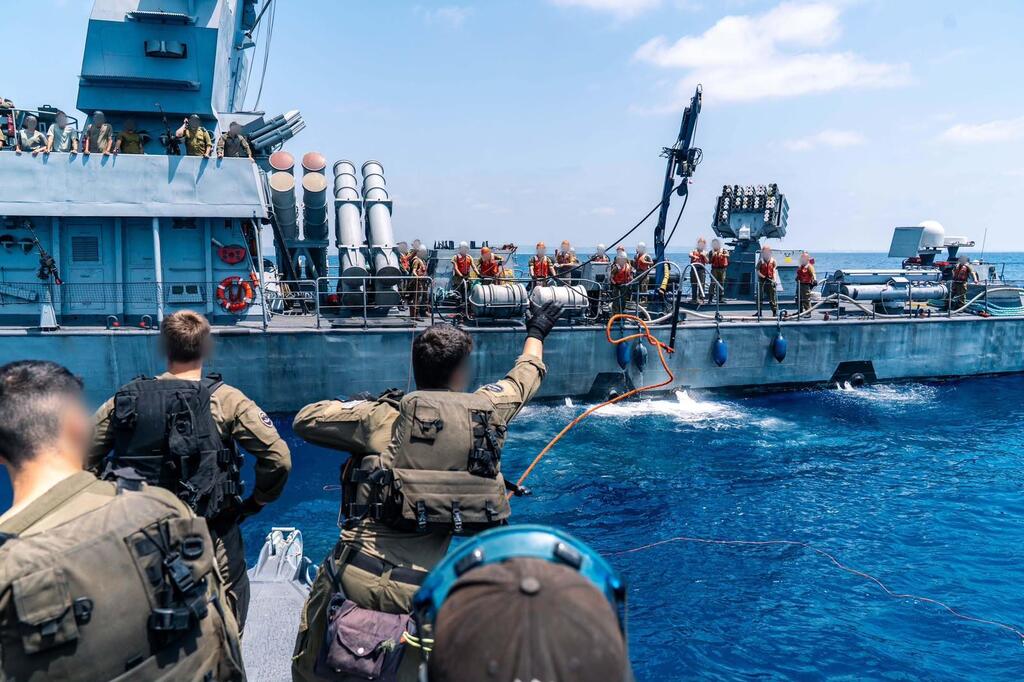
Footage from a large-scale, multi-branch military exercise led by the Navy’s missile boat flotilla
(Photo: IDF)
But the distinction is important: Closing the military gap with Turkey is not the problem Israel’s current budget needs to solve.
The funding now lacking is needed first to close existing capability gaps against Israel’s current adversaries — Iran, Hezbollah, Hamas, Syria and the threat from Yemen.
The IDF has already fought against all of them. It has already expended munitions in those theaters and must prepare for the next round of fighting on each front.
Turkey adds another layer to that strategic picture and illustrates what could happen if Israel continues delaying its military buildup. A country whose strategic orientation could shift and which is emerging as a major regional military power is precisely why military capabilities must be built in advance rather than hurriedly assembled in response to a crisis.
Some have argued that Prime Minister Benjamin Netanyahu is escalating tensions with Turkey for political reasons. This time, that is not the case: It was the IDF that pushed for action in Syria.
Those familiar with IDF Chief of Staff Lt. Gen. Eyal Zamir and the military’s senior leadership know that they do not simply allow the political leadership to drag the armed forces into any operation it chooses.
The West Bank offers an example. When Defense Minister Israel Katz sought an operation to take control of another Palestinian refugee camp, the military assessed both the operational need and the potential cost.
When military leaders believe an operation is unnecessary, they know how to say so. The chief of staff is not a rubber stamp.
The same distinction between politics and security realities should therefore be made when it comes to Turkey.
The decision ultimately rests with Netanyahu
In the end, however, responsibility returns to Netanyahu.
Even if the Finance Ministry does not provide the funding, responsibility cannot stop with the finance minister or ministry officials.
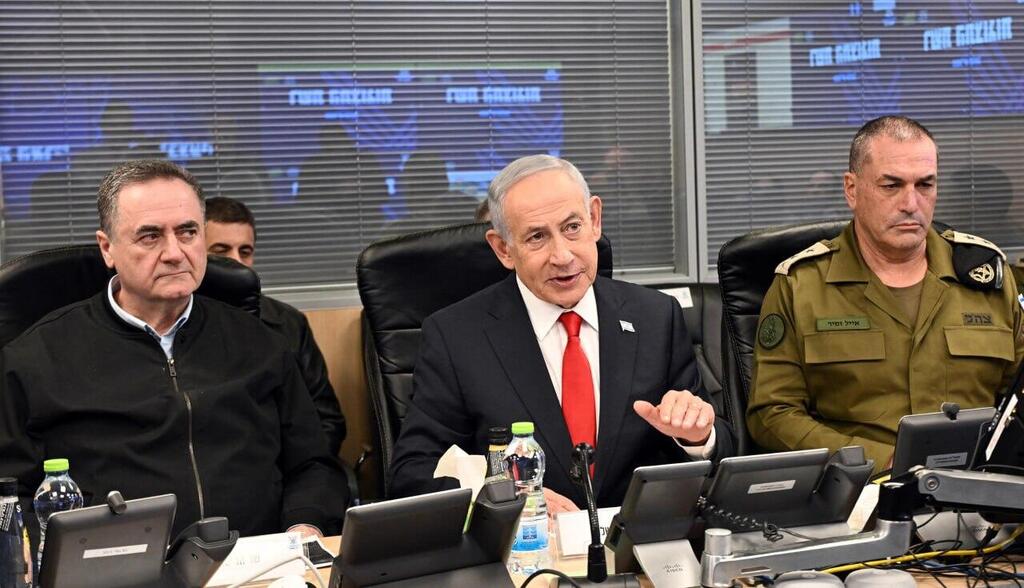
Defense Minister Israel Katz, Prime Minister Benjamin Netanyahu and IDF Chief of Staff Lt. Gen. Eyal Zamir
(Photo: GPO)
Netanyahu is the prime minister. He announced the military buildup plan. He is the one presenting the threats Israel faces. And he is the one who must decide whether Israel will be prepared for its next war so that the country does not repeat the failures of Oct. 7, 2023, when Hamas-led terrorists attacked southern Israel.
The dispute is not about adding another few billion shekels to the defense budget. It involves tens of billions of shekels and a more fundamental question: whether Israel is prepared to pay now for the military it will need five years from now.
Turkey may represent the next threat. But Iran, Hezbollah, Hamas and Syria are threats already on the table.
And if Israel already lacks the funding needed to close its capability gaps against those adversaries, the problem with the country’s military buildup is considerably larger than the current budget debate suggests.