


The first week of September opens amid heightened preparations for the capture of Gaza City, with disagreements between the military and political leadership expected to surface in Sunday night’s cabinet meeting. The developments follow an assassination attempt on Hamas spokesman Abu Obaida, a symbolic figure who has become the public face of the group and its voice to Palestinian and international audiences. The strike, aimed at weakening Hamas’ psychological influence, is believed in Israel to have killed him.
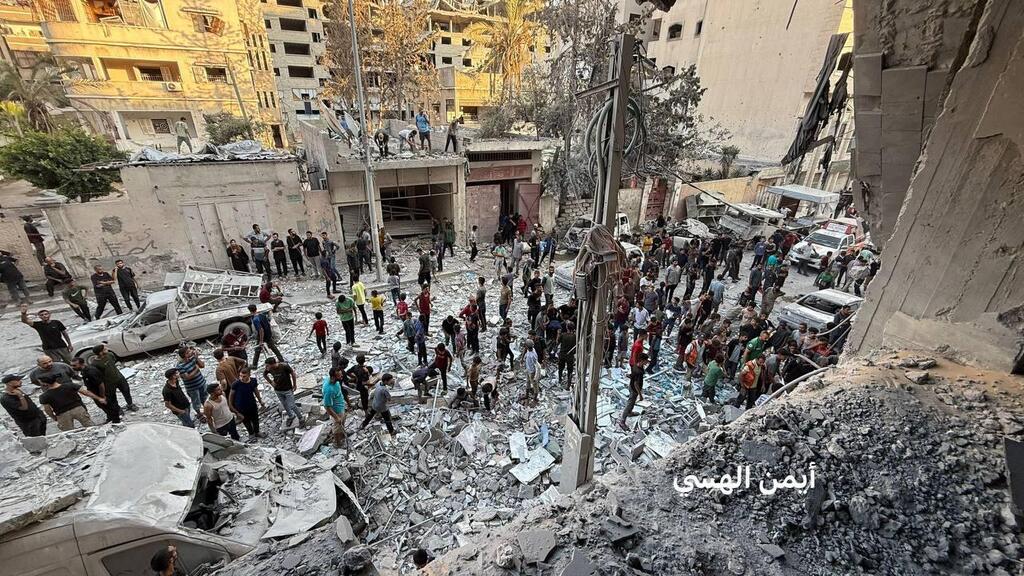
The IDF and Shin Bet emphasized that the operation was planned and executed with careful measures to minimize civilian casualties using precision munitions. Palestinian reports, however, indicate that at least seven people were killed in the attack.
Success was also recorded further afield in Yemen. A precision airstrike in Sanaa on Thursday eliminated many senior figures within Houthi leadership, including Prime Minister Ahmed al-Rahawi and several ministers, according to the group. Israeli assessments suggest that, in addition to the prime minister, the Houthi political bureau chief, cabinet secretary, justice minister, economy and trade minister, foreign minister, agriculture minister and information minister were also killed.
Officials said coordination between intelligence and the Israeli Air Force has reached a level that allows near-instant operational responses. Once an opportunity is identified, action can proceed quickly, giving Israel exceptional operational flexibility. Years of combat experience across seven arenas have honed unit readiness, field-based operational intuition and efficient integration between intelligence and air force operations.
Unlike previous strikes, which were planned weeks in advance, the Yemen operation was triggered by preliminary intelligence. The strike was carried out after a rapid analysis of a fleeting opportunity. The air force achieved precise targeting within hours. Israeli defense officials say the strike delivered a heavy blow to Houthi terror governance and sends a clear message to Hamas: Israel can operate deep inside hostile territory and strike high-value targets far from its borders.
'Carrot and stick' strategy
At the same time, the Southern Command is advancing a “carrot and stick” approach to encourage civilians to move from combat zones in Gaza City to the southern Gaza Strip. Additional humanitarian aid distribution centers are being established to support the effort. Hamas is reportedly using force, including live fire, to prevent civilians from relocating, using them as human shields and spreading fear by claiming “there is no room in the south.” Last week, Hamas launched a propaganda campaign to prevent departures from northern Gaza, warning that “from here, you leave only to paradise.”
This week, the IDF is expected to issue a mass evacuation notice for Gaza City residents, requiring them to relocate south before a military operation begins. To underline its intentions, the IDF announced on Friday the suspension of daily ceasefires in the city. These temporary pauses had been designed to allow for a smaller, more controlled combat area during daylight hours following a political decision under international pressure, but they also complicated battlefield management.
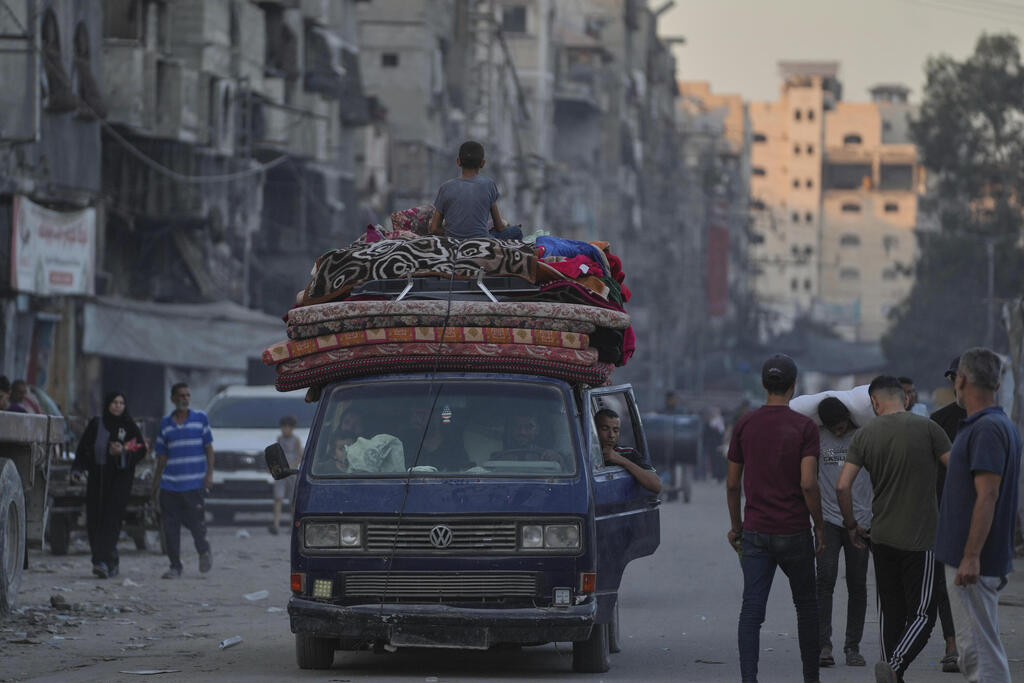
Residents leaving Gaza City
(Photo: AP/Jehad Alshrafi)
The main “stick” Israel plans to deploy this week is a large-scale mobilization of thousands of reservists, starting in two days. The date was set by the IDF chief of staff to ease the return of school-age children to classes. Reservists will gather at bases for structured combat procedures, review lessons from prior Gaza combat and receive assignments within the operational plan. Some brigades will enter Gaza, others will relieve regular units stationed in the West Bank and the northern command, while regular units are redeployed south for Gaza operations.
September 2 will also serve as a test of reservist turnout, with IDF officials hoping for a high participation rate to meet operational needs. Senior officials say these measures are already exerting significant pressure on Hamas to move toward a deal. Analysts expect the pressure to continue, with Hamas likely to offer a partial agreement while releasing videos of hostages to stir public outrage in Israel and prompt protests demanding an end to the war in favor of their return.
 Yossi Yehoshua
In Sunday night’s cabinet meeting, the military is expected to argue for considering a partial deal to save at least 10 hostages alive, with the option to resume combat afterward. The IDF’s concern is that a forced rescue operation could fail, result in soldier casualties, be halted by international pressure, and place direct civilian responsibility for Gaza on Israel, potentially leading to prolonged military governance.