


The deadly incident in Rafah, in which Maj. Yaniv Kula, 26, and Staff Sgt Itay Yavetz, 21, both from Modi’in-Maccabim-Re’ut, were killed, brings Israel face-to-face with a long-anticipated dilemma:
When do you "break the rules" with Hamas — or, in the words of senior IDF officers, how do you reshape the rules of engagement in Gaza without falling back into the old strategic concept?
Kula served as a company commander in Battalion 932 of the Nahal Brigade, and Yavetz was a soldier in the elite Erez officer-training program in the same brigade. In addition, a reservist soldier serving with the IDF’s engineering equipment unit in the Gaza Division was seriously wounded.
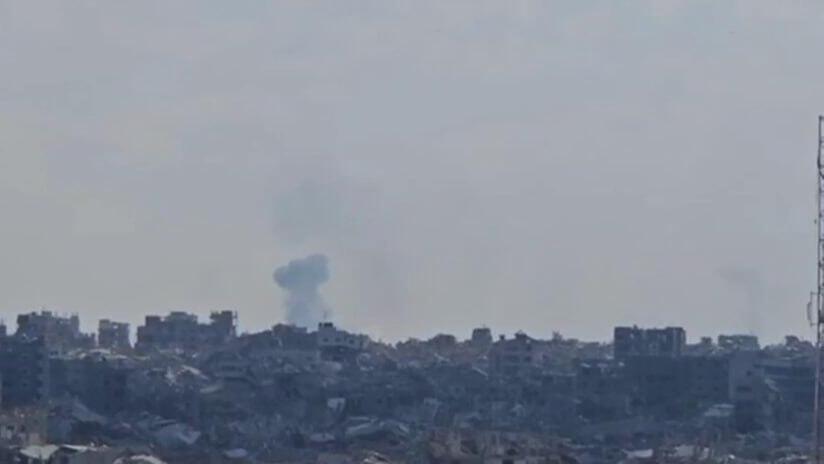
(It is worth noting here that 35 soldiers from Modi’in-Maccabim-Re’ut — a city with one of the highest rates of voluntary combat service — have fallen since the start of the war.)
The central problem — the elephant in the room — is that Israel has internationalized the ceasefire agreement and the broader solution with Hamas. This means multiple powerful actors are now involved. Chief among them are the Americans, who demand a restrained response in order to keep the deal alive and move into its next phase, as well as the Qataris and the Turks — Hamas’ patrons — who provide it with indirect protection by pressuring the U.S.
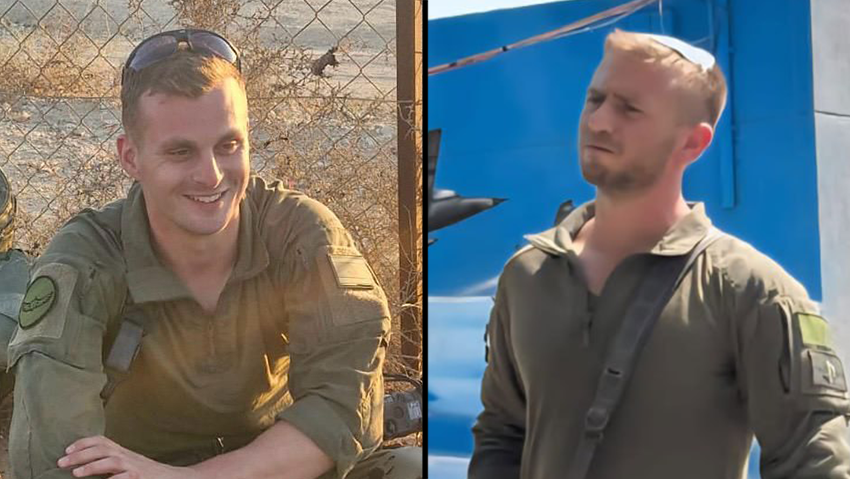
Maj. Yaniv Kula, 26, and Staff Sgt Itay Yavetz, 21, were killed in Rafah in breach of ceasefire
(Photo: IDF Spokesperson's Unit)
As a result, despite all public declarations to the contrary, Israel finds itself reverting to the same flawed "conception" — that infamous pre-October 7 strategic mindset — and fails to uphold its stated commitment to respond disproportionately to exceptional incidents, especially ones that result in the deaths of two soldiers and multiple wounded.
Yesterday’s deadly event is not an isolated case — not in Rafah, and not in other parts of the Gaza Strip. Hamas continues to challenge IDF forces and, to put it bluntly, is carrying out offensive operations against soldiers at outposts and fortifications along what is now effectively the new border: the "yellow line."

Israel will allow aid to enter Gaza trhough the Rafah crossing despite the ceasefire violation
(Photo: Reuters/Stringer)
These incidents are not being treated with the gravity they deserve, even though some could easily have ended in soldiers being kidnapped — a goal Hamas has been actively pursuing over the past month, even before a new deal is finalized.
IDF Southern Command Chief Yaniv Assor told me in a past interview that his service in southern Lebanon during the 1990s shaped him deeply. Back then, as a young officer in the Golani Brigade’s 12th Battalion, he held positions in outposts like Ayshiyah and Reihan, regularly clashing with Hezbollah terrorists.
Over the weekend, during a tour of IDF positions in Gaza, Assor told junior commanders that he has no desire to return to the days when IDF forces were static, merely reacting to provocations or even allowing the enemy to approach the fence. In plain language, he told them: he doesn’t want to "Lebanonize" Gaza as it once was, but rather to apply today’s Lebanon model — the one used against Hezbollah — to Hamas in Gaza.
 Yossi Yehoshua
But for now, it is Hamas initiating offensive operations.
Sunday night, the IDF was sent by the political echelon to announce the return to a ceasefire.
“Following a series of significant strikes, the IDF has resumed enforcement of the ceasefire after its violation by the Hamas terror organization,” the military said.
Until the next violation.