

Jared Kushner’s message marking the sixth anniversary of the Abraham Accords deserves to be taken very seriously by Israel.
“The Middle East is once again at an inflection point,” President Donald Trump’s son-in-law wrote. “There are breakthrough opportunities today that many will say are impossible.”
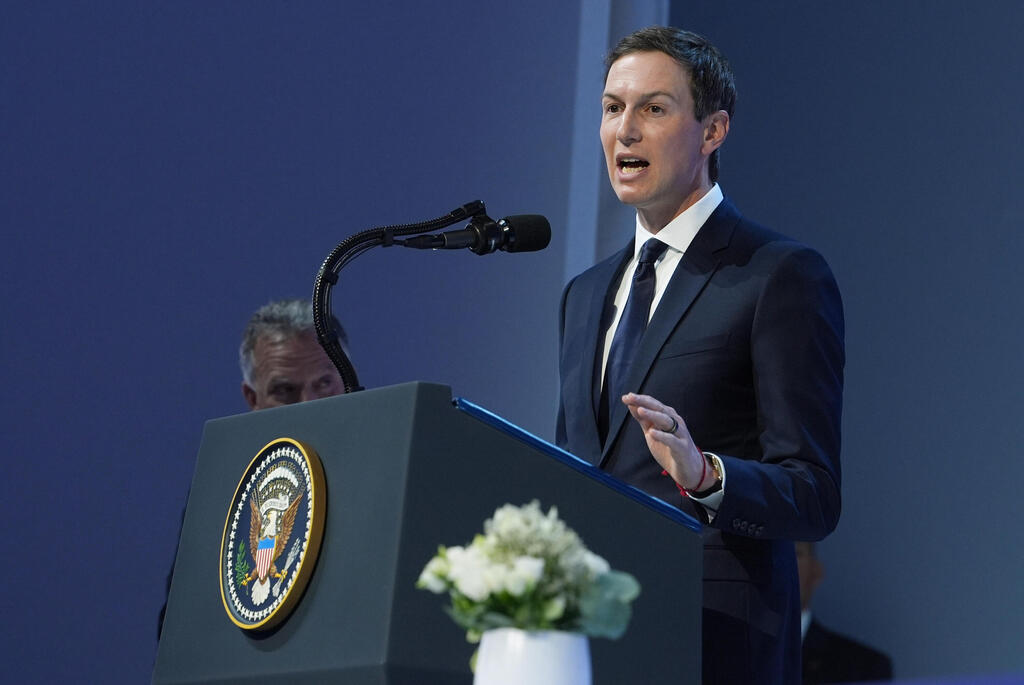
Kushner argued that the lesson of the Abraham Accords was that entrenched assumptions could be overturned when leaders focused on common interests rather than simply managing conflict.
“The Abraham Accords showed that a different path is possible,” he wrote. “Now we have an opportunity to build an even broader movement around cooperation, shared prosperity and security — and replace the failed ideas of the past with a new model that gives people across the region something better to believe in and build toward.”
He concluded: “We surprised the world once. With the right leadership, focus, patience and courage, I believe we can do it again.”
I do not know which arena Kushner has in mind when he speaks of another breakthrough.
There is welcome activity in Gaza by the Board of Peace, but progress toward demilitarizing the Strip, if it comes at all, is likely to be slow and frustrating.
Syria? President Ahmed al-Sharaa is displaying moderation and seriousness, but he has yet to give any indication that he recognizes Israel will never withdraw from the Golan Heights.
Saudi Arabia had already signaled before the October 7 massacre that it was prepared to take part in the major initiative advanced by the Biden administration. But in the years since, the trend has changed in ways that leave little room for excessive optimism.
If that is where Kushner is looking, he is absolutely right.

(Photo: Mark Schiefelbein/AP, Anwar Amro/AFP, Shutterstock, Shalev Shalom)
It is worth recalling a name that has largely disappeared from the headlines: Amos Hochstein.
When the leaders of Israel and Lebanon one day sit on either side of President Trump and sign a peace agreement between their countries, Hochstein will probably not be in the photograph. Having served as a special envoy only under Democratic presidents, the White House doors are unlikely to open for him before January 2029.
But it is impossible to imagine such an agreement without the relentless work undertaken by the Obama and Biden administrations’ envoy to create a new reality between Israel and Lebanon.
It began with his unique contribution to the maritime border agreement signed by the two countries on October 27, 2022.
That agreement drew criticism because the Israeli government at the time declined, despite the recommendation of the attorney general, to bring it before the Knesset for approval. Yet the current government has made no attempt to alter it.
In practical terms, the understandings over the countries’ economic rights in the event of gas discoveries near their maritime boundaries have so far produced little. Several exploratory drilling efforts off the Lebanese coast failed to find gas in commercially viable quantities.
Still, there was reason to draw encouragement from Hochstein’s success in finding common ground between Israel and Lebanon on an issue that had remained disputed for many years.
That became the starting point for the next challenge in 2024, after roughly a year of intense fighting between Israel and Hezbollah.
With the blessing of the U.S. administration, Hochstein shuttled between Jerusalem and Beirut in an effort to overcome three dramatic obstacles.
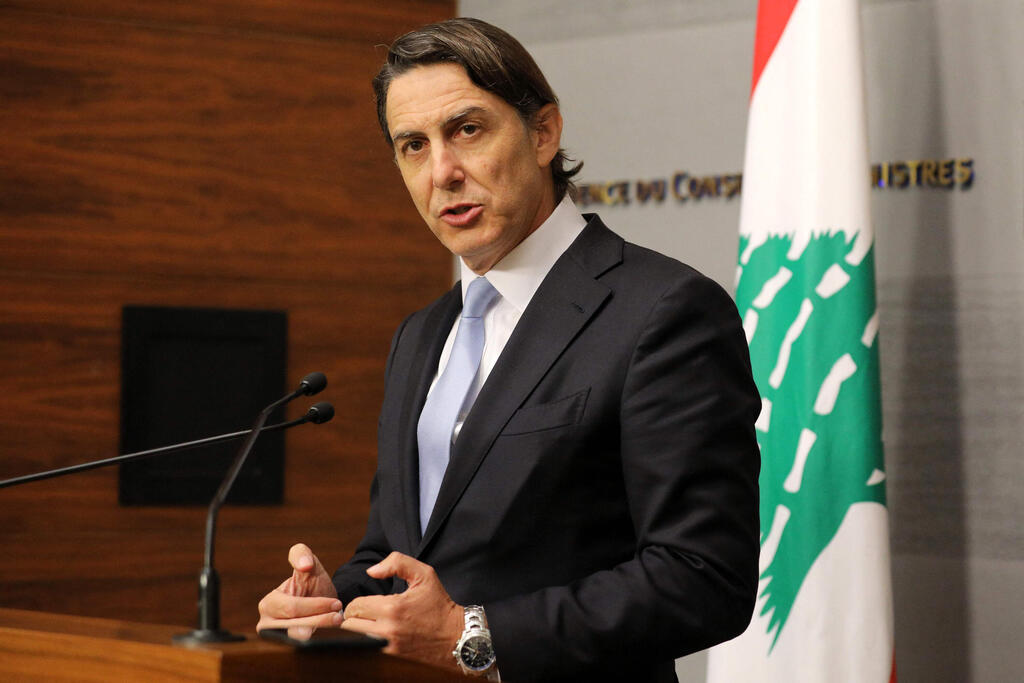
Amos Hochstein
(Photo: IBRAHIM AMRO / AFP)
Lebanon lacked a clear address for dialogue after parliament had failed for more than two years to elect a president. Hassan Nasrallah’s assassination in September 2024 shook Hezbollah and made it more difficult for the organization to conduct rational discussions with Lebanon’s other political forces. And hanging over everything was the collapse of UN Security Council Resolution 1701, adopted in 2006 and violated from virtually the moment it came into being.
In meetings with the Israeli team, Hochstein explained how he intended to overcome those difficulties.
He believed he could enlist Nabih Berri, the veteran leader of the Shiite Amal movement. In the absence of a president, and amid the vacuum created by Nasrallah’s disappearance, Berri had become a central figure in shaping Lebanese policy.
We were skeptical that Berri, who is backed by Iran, would support decisions that were not dictated by, or at least beneficial to, Hezbollah. Hochstein replied that he was convinced Berri was committed first and foremost to Lebanon’s broader national interests.
On Israel’s concern that Resolution 1701 would simply be recreated and violated again, Hochstein supported the Israeli demand for freedom of military action that would allow the IDF to enforce the agreement decisively, without depending on Lebanese or American consent.
As for expected opposition from Hezbollah, Hochstein believed that precisely because the pro-Iranian organization was weaker than ever, its Lebanese rivals would now be able to ignore it.
That prediction was borne out in the weeks that followed, and the ceasefire agreement came into being.
In practice, the agreement legitimized, for an unlimited period, Israel’s continued military presence in five defensive positions north of the border with Lebanon, as well as its right to continue striking Hezbollah terrorists and infrastructure whenever the terms of the agreement were violated.
Israel has acted accordingly, largely without interference, and killed hundreds of terrorists who returned to activity.
Over the two years since that agreement was signed, five regional and global developments of strategic significance have taken place.
Donald Trump returned to the White House. Bashar Assad’s regime fell, and its replacement in Syria regards Iran and Hezbollah as bitter enemies. Renewed fighting between Israel and Hezbollah during the campaign against Iran led to Israeli control over broad areas of southern Lebanon. Joseph Aoun, a strong, pro-Western Christian leader, was elected president of Lebanon. And in June, at the initiative of President Trump and Secretary of State Marco Rubio, the United States, Israel and Lebanon signed a trilateral framework agreement in Washington that paved the way for a historic transformation in relations between the two countries.
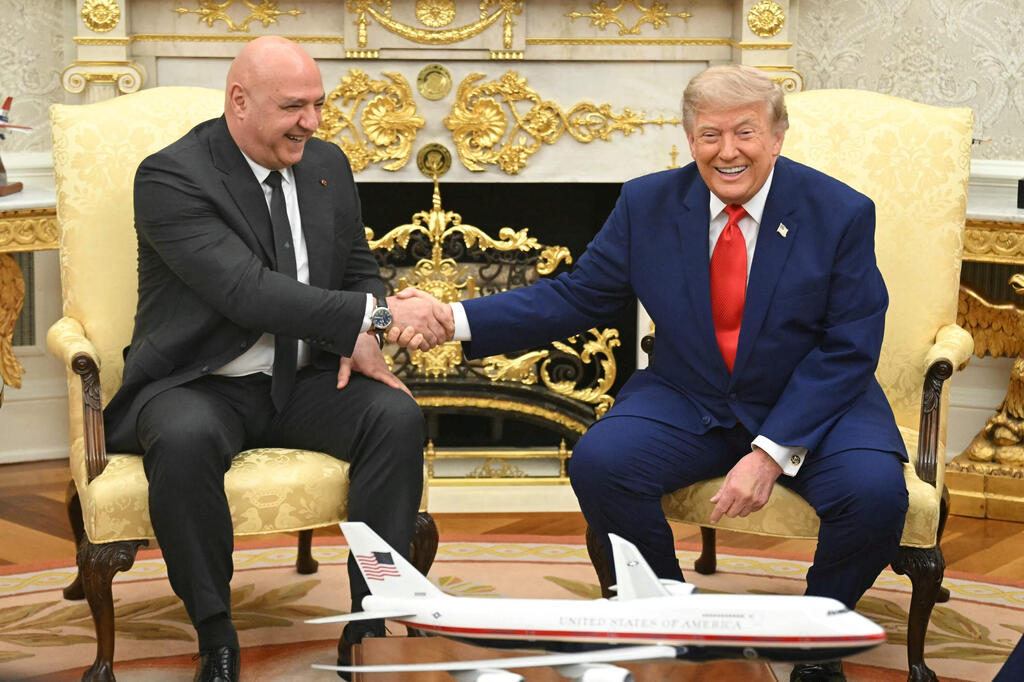
U.S. President Donald Trump with Lebanese President Joseph Aoun at the White House
(Photo: SAUL LOEB / AFP)
The bottom line is simple: There is now an enabling environment for completing a diplomatic process with the Lebanese government.
Israel should not waste precious months waiting for the election and the political process that will follow it.
Both countries have a clear interest in making use of the current American attention devoted to the issue. There is no way to know what President Trump’s policy will look like after the November congressional elections.
More importantly, every substantive dispute between Israel and Lebanon can be bridged.
There is no refugee issue between them. There are no holy sites at the center of the conflict. There is no Jewish settlement in ancestral territory. There is no reservoir of centuries-old bloodshed between the two societies.
The central problem, of course, is Hezbollah’s opposition.
That is where both sides should focus, with goodwill, political wisdom and clearly defined red lines that allow for prudent risk management.
Amos Hochstein is no longer in the picture.
But the creative and energetic legacy he left behind can still be used.