



As antiwar protests erupted in Israel on Sunday, the IDF General Staff convened a six-hour meeting on the next phase of the Gaza campaign, focused on one of the most difficult scenarios yet: the battle for Gaza City.
The discussion, attended by senior generals in Tel Aviv and Southern Command, revolved around three interconnected challenges: the redeployment of regular forces, the mobilization of tens of thousands of reservists, and the evacuation of nearly a million civilians from the Gaza Strip’s largest urban center—all while Hamas continues to hold hostages underground.
Military planners agree on a key principle: regular brigades will be prioritized over reservists for the operation, given their higher readiness and recent combat experience in dense urban terrain. The real number of reservists is also far lower than publicized; though reports suggested 250,000, defense officials say about 74,000 are currently serving, with perhaps several tens of thousands more to be called up.
Yet the greater obstacle lies on the humanitarian front. Roughly three-quarters of Gaza is already in ruins, making the transfer of civilians southward extraordinarily difficult. Hamas is expected to resist evacuations, which would deprive it of using civilians as human shields.
Inside Gaza City itself, Hamas has taken advantage of the lull in large-scale operations to rebuild its defenses and restore parts of its underground network. The IDF is preparing for a wide subterranean maneuver, seen as essential to breaking Hamas’ grip but fraught with danger for the hostages.
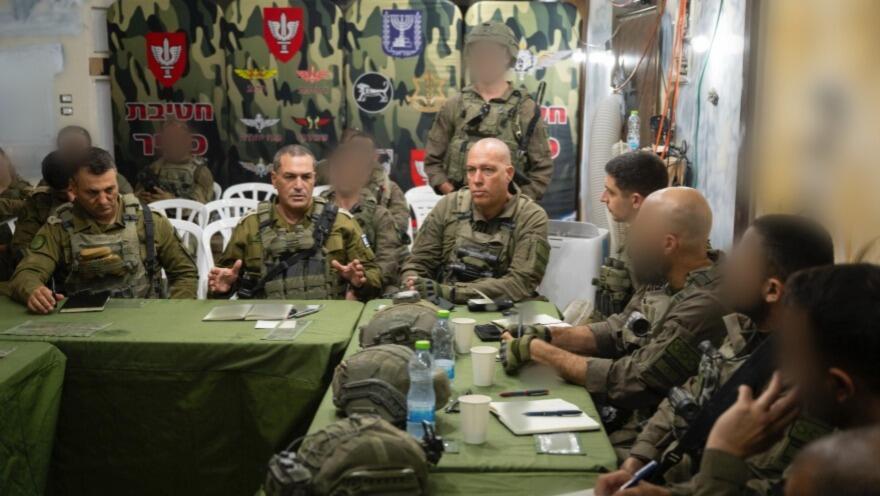
Zamir during a briefing in Gaza
(Photo: IDF)
Within the defense establishment, there is broad agreement: the chances of rescuing hostages alive through a military offensive are slim. “Any suggestion otherwise is misleading and clouds decision-making,” a senior officer said. This sobering reality collides with public expectations, but commanders insist strategy must be based on achievable objectives.
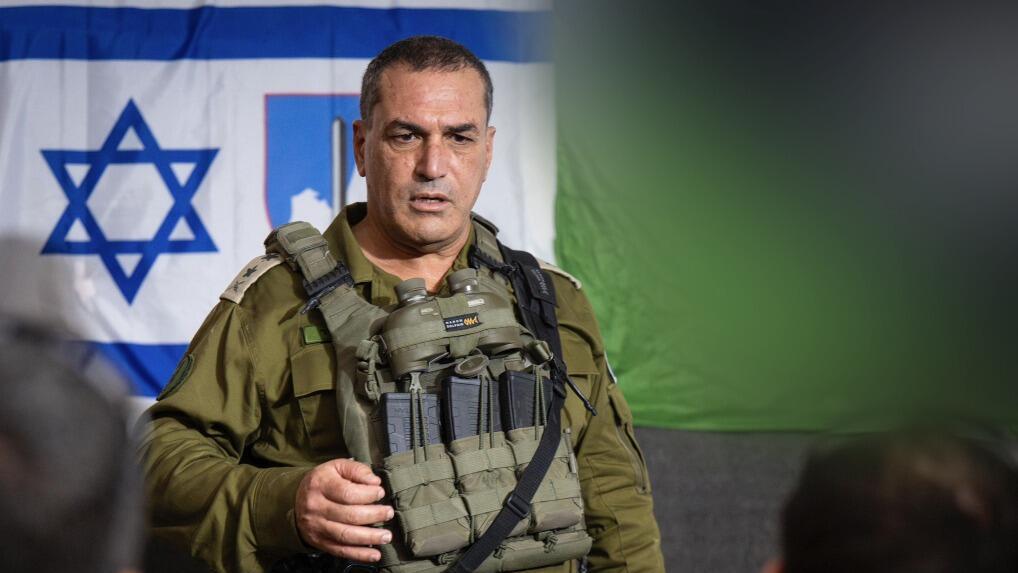
Chief of Staff Lt. Gen. Eyal Zamir toured the front Sunday with senior commanders, approving operational plans for the coming phase. “We will continue to change the security reality,” he said, referencing recent operations in Iran, Yemen, Lebanon, the West Bank, and Gaza. “We will maintain momentum in Operation Gideon’s Chariots, focusing on Gaza City, and fight until Hamas is defeated, with the hostages before our eyes.”
Zamir pledged a “sophisticated, measured and responsible strategy,” employing the IDF’s full ground, air and naval capabilities. Hamas, he said, “no longer possesses the abilities it had before this operation—we have struck it hard.”
Framing the campaign as part of a broader, long-term confrontation with Iran and its allies, Zamir praised soldiers for “nearly two years of unprecedented achievements that have brought security to the border communities and to all of Israel.” He concluded: “The IDF bears the moral obligation to bring the hostages home—both the living and the dead.”