


In English, it is said that a government “climbs a tall ladder,” while in Israel, the expression is that it “climbs up a tree.” Either way—on a ladder or in a tree—Israel’s government has climbed very high.
Since Prime Minister Benjamin Netanyahu declared his determination to take over the remaining quarter of Gaza and achieve “total victory” over Hamas, analysts in Israel and abroad have asked: now that he has climbed so high, how can he possibly climb back down?
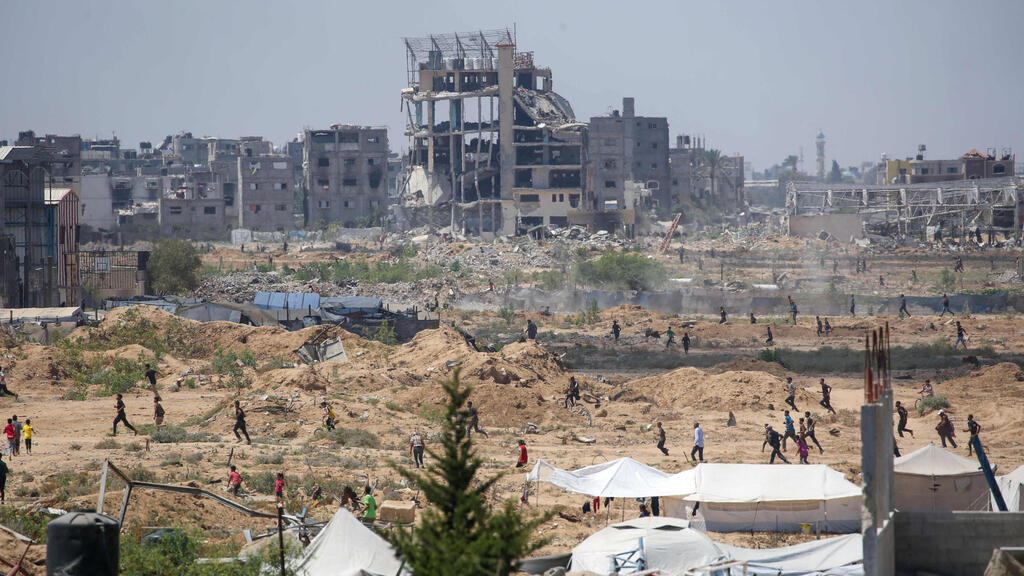
One possible solution is for Israel to declare its willingness to fully withdraw from Gaza in exchange for the release of all the hostages. The problem is that Hamas may be cruel, but it is not foolish. It would almost certainly hold back some hostages as insurance against any future Israeli operations in the Strip.
Such a deal would also gravely damage Israel’s chances of expanding the Abraham Accords. Arab states that might have considered peace with a strong Jewish state could well hesitate before making peace with an Israel humbled by Hamas.
Another path down the tree is to repeat the logic of the 2020 deal, in which Israel agreed to halt annexation of parts of the West Bank in return for peace with the United Arab Emirates. Today, Israel could refrain from advancing in Gaza in return for peace with Saudi Arabia.
At the same time, the United States could pressure Qatar to push Hamas to release the hostages and surrender its weapons. The difficulty lies in the price the Saudis are demanding: significant Israeli steps toward the creation of a Palestinian state. That is a price this government—and, in truth, most Israeli citizens—are simply unwilling to pay.
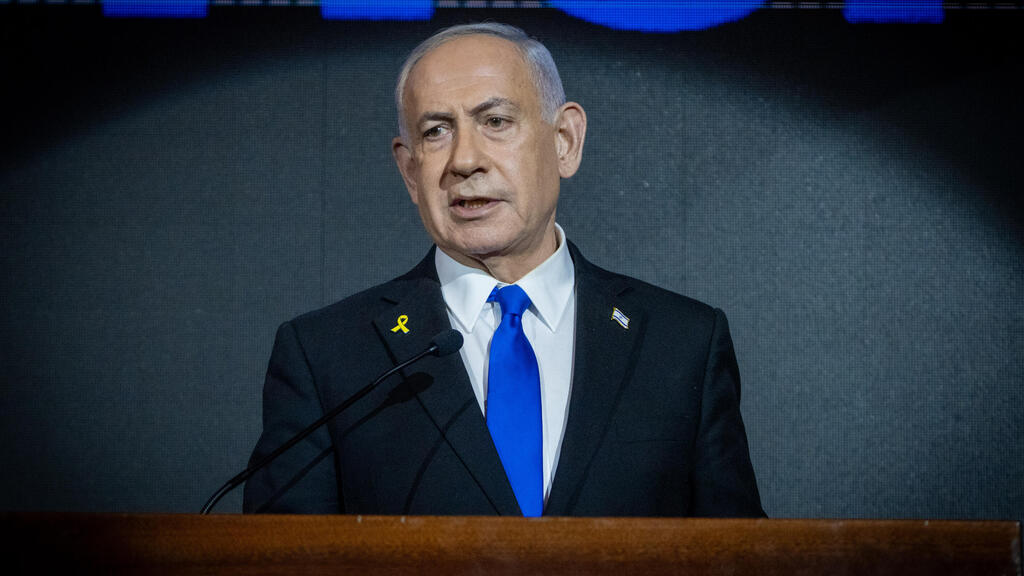
Prime Minister Benjamin Netanyahu
(Photo: Shalev Shalom)
A final, and certainly unconventional, solution is for the government not to climb down at all, but instead to climb higher. Hamas believes that the wave of international condemnation and Israel’s deepening isolation will eventually force it to give in.
But what if Israel refuses to yield and presses ahead with its invasion plan to prove that no international pressure can save Hamas? Confronted with the very real possibility of complete destruction, Hamas might then agree to a ceasefire in exchange for releasing the hostages.
Ultimately, there is no path free of danger to ending this war. Every option is filled with obstacles and risks. “Total victory,” even if achieved, would cost Israel the lives of many soldiers and further damage what remains of its standing in the world.
 Michael Oren Photo: AP
What is needed most now is a clear, courageous and consistent policy. Partial and hesitant steps cannot continue. The Israeli government must decide whether it intends to climb down from the tree or climb higher—and it must do so to the very end.
• Michael Oren is an author and former Israeli ambassador to the United States.