


For months, Israeli officials assumed Hamas would always keep hostages as bargaining chips. That assumption unraveled in recent weeks as the organization fulfilled nearly all its obligations under the first stage of the ceasefire agreement and now must return only one slain hostage, Ran Gvili.
Hamas, once again defying longstanding Israeli expectations, did not act out of pressure or desperation. Its compliance appears tied to assurances from Washington regarding the end of the war, encouraging the group to push toward stage two of the deal.
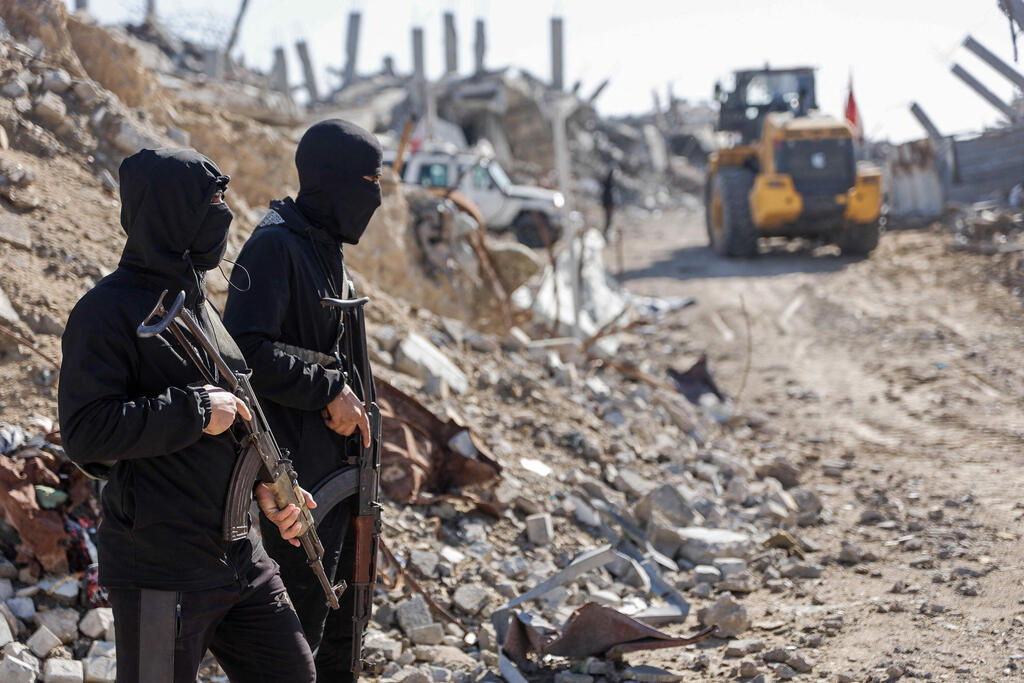
Israel is now caught in a strategic dilemma. On one side, Hamas is reasserting governance in Gaza, restoring civilian systems — including the reopening of schools and the Islamic University, one of its strongholds — and remains adamantly opposed to disarmament.
The central war goal of dismantling Hamas or permanently neutralizing its military capabilities has not been achieved. On the other side, Israel cannot resume intensive fighting. Former President Donald Trump, whose position effectively shapes developments in Gaza, seeks to present a strategic achievement and is blocking renewed combat despite Hamas violations. Instead, he is pressing for movement into stage two.
A looming collision between Israeli expectations and reality
Stage two may expose significant gaps between government promises about Gaza and what will actually occur. A primary point of friction will be expected pressure for Israel to withdraw from the “yellow line,” which some had prematurely labeled a long-term Berlin Wall dividing two distinct Gazas.
Today both areas remain in ruins: most residents live under renewed Hamas governance, while the second zone is held by several thousand militiamen cooperating with Israel but far from offering a sustainable alternative. The killing of Yasser Abu Shabab last week underscored their fragility. Three major obstacles stand before stage two.
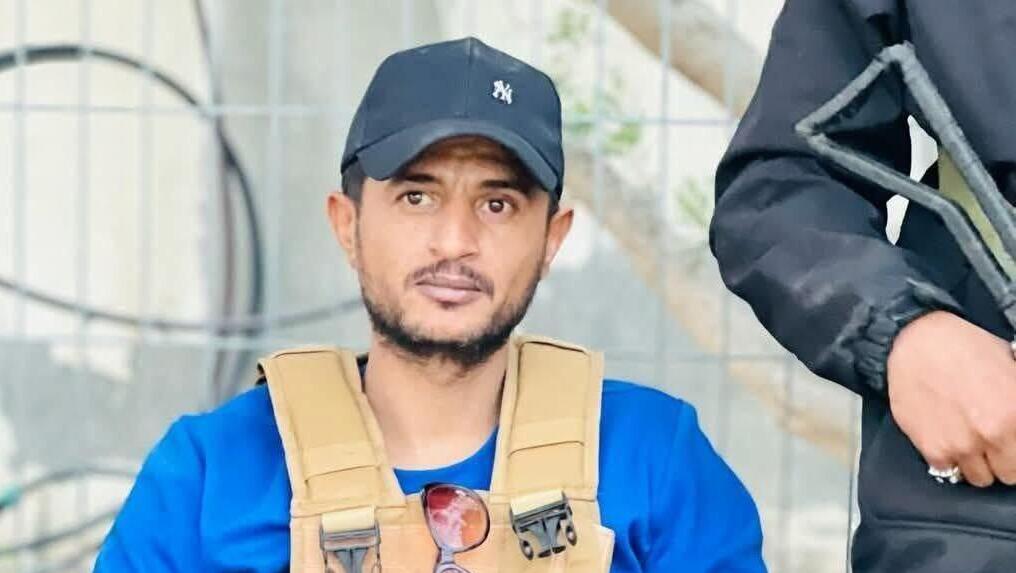
Yasser Abu Shabab
First and most difficult is disarmament. Hamas has long rejected giving up a core element of its identity. Mediators are circulating compromise ideas under which Hamas would surrender only “offensive weapons,” primarily rockets — few of which remain. Trump’s desire to preserve the agreement could lead him to deem such a compromise adequate, as he did two months ago when he argued Hamas’ partial acceptance of his 20-point plan was sufficient despite the group not agreeing to full disarmament.
The second obstacle is deploying a multinational force in Gaza. International willingness is low, and Hamas is likely to resist and possibly target such troops. A limited oversight force may emerge instead, potentially positioned along the yellow line in place of the IDF.
A milder obstacle is the establishment of a governing authority that is not Hamas. Hamas itself signaled openness to such a structure early in the war, knowing it could maintain influence behind the scenes, similar to Hezbollah’s role in Lebanon. Prime Minister Benjamin Netanyahu is expected to oppose any arrangement tied to the Palestinian Authority. But for Trump — who now openly discusses a Palestinian state — such linkage may not be problematic.
A harsh awakening for Israelis
These scenarios are jarring for Israelis who expected the war to end with Hamas’ eradication and now see it intact, influential and with no credible substitute. As difficult as it is, truth is preferable to comforting slogans. Gaza will likely soon have a limited formal administration while Hamas continues to operate as a powerful extra-governmental force. Israel’s ability to return to intense fighting is constrained. If Trump eventually authorizes such action, the public must be told clearly: significantly damaging Hamas would require conquering the entire Strip and remaining there indefinitely, with the accompanying human and political costs of governing two million hostile residents.
Two months after the war’s official end, most Israelis recognize that “total victory” is unattainable. Not in Lebanon, where escalation appears increasingly likely; not against Iran, where questions about the inevitability of another confrontation continue to intensify; and not in Gaza, where Israeli impact has been substantial but far from decisive.
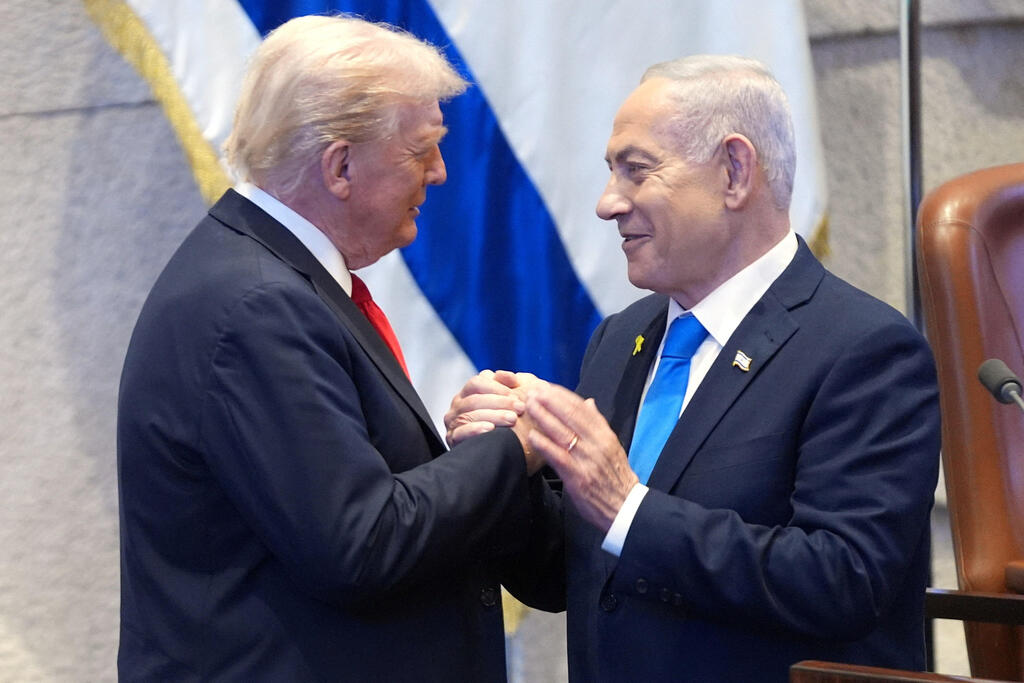
(Photo: JALAA MAREY/Pool via REUTERS, Chip Somodevilla / POOL / AFP)
What Israel must prioritize now:
As stage two approaches, Israel should focus on three central interests:
• Maintaining freedom of action to counter emerging threats from Gaza, similar to its posture in Lebanon.
• Ensuring firm U.S.-led oversight of the Philadelphi Corridor and the Rafah crossing.
• Retaining veto power over the composition of any future governing body in Gaza, especially if it includes figures aligned with Hamas.
These steps must occur alongside planning for a future comprehensive campaign against Hamas — one initiated by Israel, executed with clarity and preparation, and not under crisis conditions.
This scenario is unsettling for many Israelis and far from the war aims articulated at the start. Yet it may be the least damaging of the available options and the one that best aligns with Israel’s need to prioritize other arenas, especially Lebanon and Iran.
- Dr. Michael Milshtein is head of the Forum for Palestinian Studies at the Dayan Center at Tel Aviv University.
First published: 13:50, 12.07.25