

The deadly terror attack in Bnei Brak on Tuesday, in which five people were killed, demonstrated the desire of Islamist terror groups to initiate a large-scale violent uprising during the holy month of Ramadan and the Jewish holiday of Passover.
Israeli officials had expressed their concern that the Islamic Jihad terror group would launch copycat attacks after domestic sympathizers of the Islamic State orchestrated murderous sprees in Be'er Sheva and Hadera in the past week.
Gallery
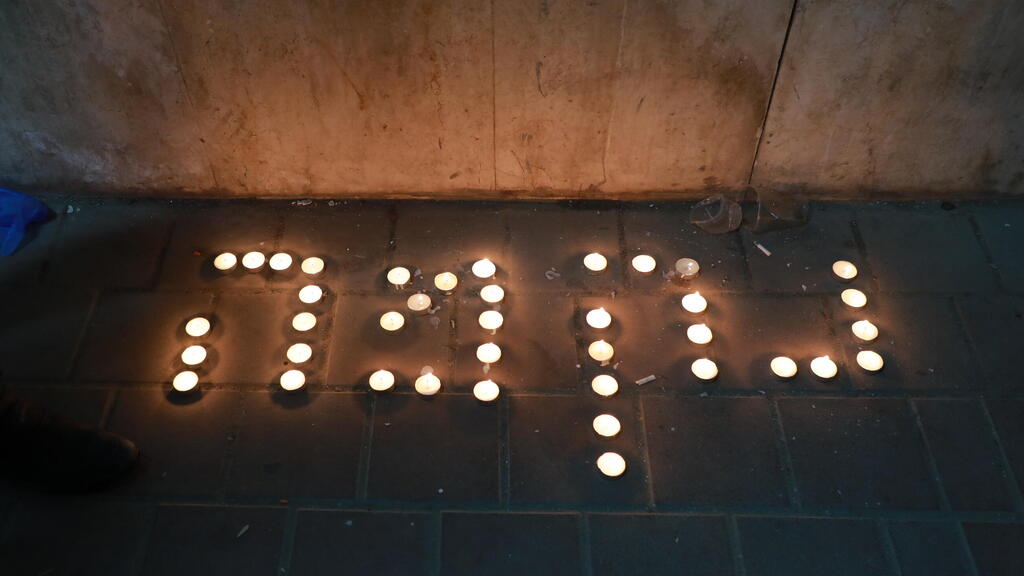
The word 'vengence' spelt out in candles lit in memory of those killed in Bnei Brak
(Photo: Dana Kopel)
The PIJ is specifically is basically a proxy of Iran, which has been looking for an opportunity to avenge alleged successful Israeli attacks against its interests in Syria.
The murderous terror attack on Tuesday, was carried out by a Palestinian who was affiliated with the PIJ and served time in an Israeli prison over terror offenses. It could be viewed as a failing of the Shin Bet and other security agencies that he was allowed to roam free with no eyes on him.
The perpetrators of the two previous attacks were also former prisoners, sentenced for their attempts to join the Islamic State in Syria.
Israel is currently in the midst of the most severe wave of terrorism in recent years, and the sense of security of citizens has not been lower since the outbreak of riots last May in mixed Arab Jewish cities during the Gaza war.
Security officials in recent deliberations attempted to differentiate between the risk of terror originating in the West Bank and Gaza and the attacks carried out by Israeli citizens affiliated with IS or other terror group.
They had invested months in conversation with Palestinian Authority officials and others in Gaza, to prevent the outbreak of violence in the wake of Ramadan, but on Tuesday their efforts came to naught.

Gunman in the Bnei Brak attack caught on camera with an M-16 rifle
(Photo: Ryan Preus)
In the West Bank village of Y'abed, Diaa Hamarsheh's home town, and in other areas Palestinians celebrated the attack by handing out sweets to passersby and praising the terrorist.
The terror infrastructure in the West Bank was not built in a day, and the prevalence of illegal weapons in the Israeli Arab sector is also not a problem that was created out of thin air.
The political stalemate in Israel in recent years which culminated in five elections in two years, and the former government's failure to act on domestic security threats, contributed heavily to the current crisis.
But now, the current government must step up and bear the responsibility for past policies going forward.
Diplomatic mediation efforts and international summits have their place and could contribute to the security of the region in the future. But, we need our leaders to focus on the domestic unrest and they've been worryingly silent. Even prior to the attacks, we did not hear them speak publicly about security preparations ahead of Ramadan, the anniversary of the Gaza war and the Passover holiday.
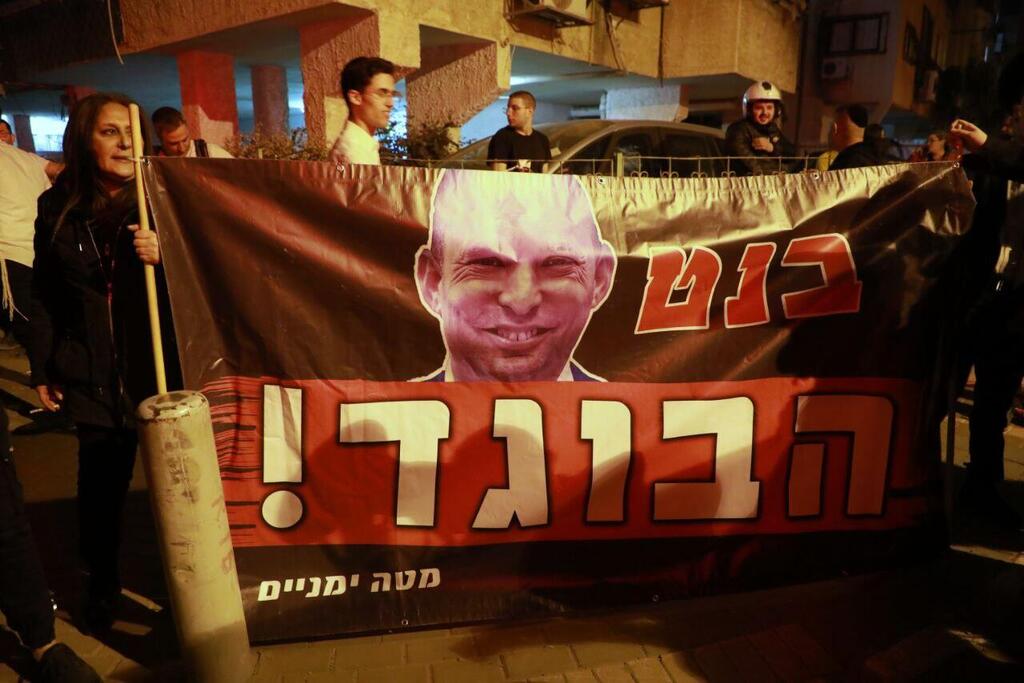
A protest over government's inaction on terror in Bnei Brak
(Photo: Dana Kopel)
Brief statements released from the Prime Minister's Office are not enough.
The Israeli public is justified in demanding answers. The leaders must understand that when Israelis are gunned down in the streets and parents are afraid to send their children to school, diplomacy must take a back seat.
Israel has had its head buried in the sand for too long. Our security agencies are understaffed and underfunded and they are struggling in the face of challenges posed by terrorism.
In the meantime, the usual collection of right-wing instigators descended on the scene of Tuesday's murderous attack, as they had done in previous occasions, led by far-right legislator Itamar Ben Gvir and Likud lawmakers.
This mob spread its lies and berated the government even before the victims were laid to rest, aiming to spread hate and instigate further violence.
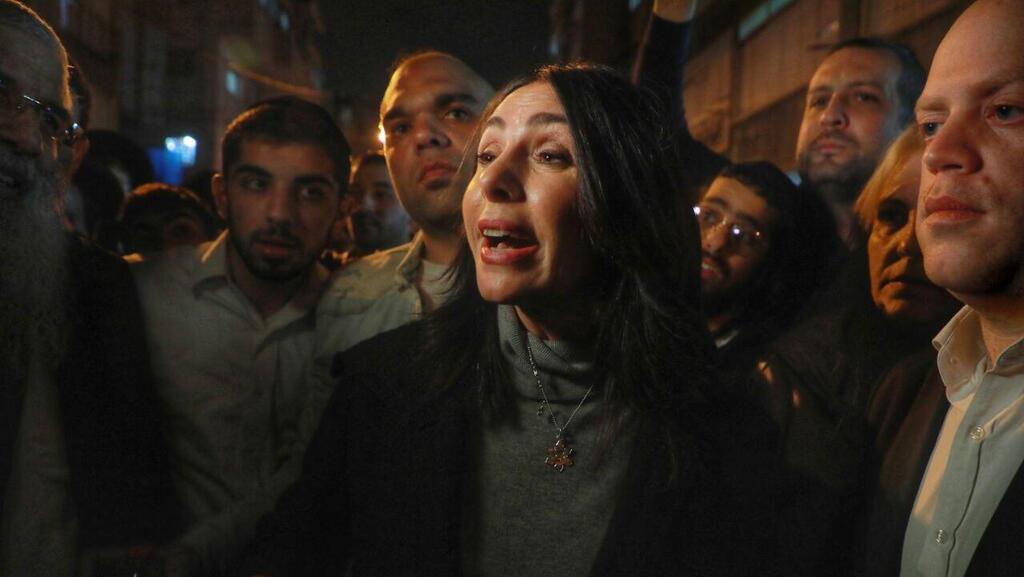
Likud lawmaker Miri Regev at the site of the deadly terror attack on Tuesday
(Photo: Dana Kopel)
What could possibly inspire such actions beyond a political motivation to further fracture Israeli society.
The government and its security agencies will now be tested in their ability to bring security back to Israel's streets. If they fail, they will not remain in power.