


In the quiet twilight of Saturday, July 18, 2026, the sky over Kuwait City fractured into a chaotic canopy of air defense fire and sudden, violent detonations. The wealthy Gulf emirate's long-cherished assumption that its vast fiscal reserves and diplomatic neutrality could shield it from the raw volatility of the Middle East vanished in a matter of minutes. A highly coordinated barrage of Iranian ballistic missiles and explosive drone swarms penetrated key sectors of the state's defensive network, striking directly at the vital organs of the nation's civil infrastructure.
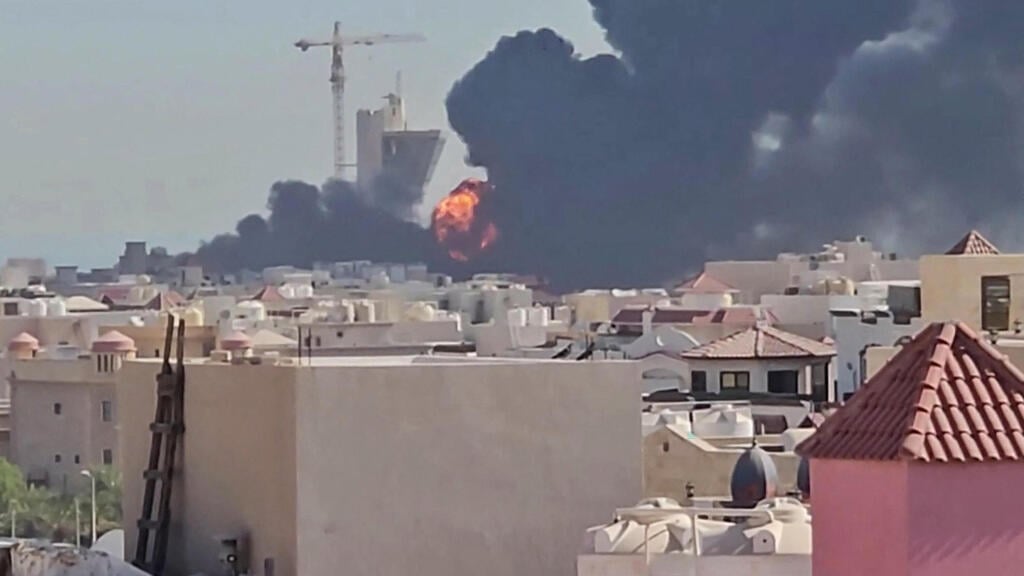
Two major power generation and water desalination plants suffered severe kinetic hits, triggering immediate rolling blackouts across key municipal districts and threatening the domestic water supply of an entirely arid nation. Simultaneously, a critical oil refining and storage facility belonging to the state-owned Kuwait Petroleum Corporation erupted into towering walls of flame, leaving multiple facility workers and emergency firefighters injured in the line of duty.
Huge cloud of smoke after Kuwait oil facility hit
(Video: Reuters)


The sheer scale of this unprovoked cross-border aggression forced the civil aviation authority to implement an immediate, total freeze on all commercial flights, plunging Kuwait International Airport into silence and locking the entire country into an unprecedented state of national emergency.
The profound strategic irony of this security failure lies in the massive political energy Kuwait has spent fighting an imaginary enemy while ignoring the heavily armed predator directly across the Persian Gulf.
For generations, the Kuwaiti political establishment, driven by an alliance of pan-Arab nationalists and radical Islamist factions within its National Assembly, has maintained the most aggressively hostile stance toward Israel of any country in the Gulf Cooperation Council. Rather than adapting to modern realities, Kuwaiti lawmakers have spent decades expanding draconian domestic boycott legislation, turning anti-Zionism into a mandatory state policy.
Under the foundational 1964 Uniform Boycott Law, any form of normalization or expression of sympathy toward the Jewish state is a severe criminal offense. Citizens and foreign residents face lengthy prison sentences and ruinous financial penalties for merely communicating with an Israeli, participating in online forums, or advocating for peace. The state strictly enforces an absolute ban on any consumer goods containing components manufactured in Israel, subjecting local merchants to aggressive audits, while border control denies entry to anyone carrying an Israeli passport. This domestic theater created a massive institutionalized blind spot.
This self-imposed strategic vulnerability stands in sharp contrast to the geopolitical maturity and foresight demonstrated by the United Arab Emirates and the Kingdom of Bahrain. By signing the historic Abraham Accords, these forward-thinking Gulf nations discarded obsolete ideological dogmas in favor of a tangible, forward-looking security architecture.
Normalization with Jerusalem was never merely about securing lucrative trade deals; it was fundamentally designed to construct a sophisticated, integrated regional defense network capable of neutralizing shared existential threats. Through the synchronization of early-warning radar systems, real-time intelligence sharing, and joint missile defense planning, the Accords states established a formidable deterrent shield against Iranian hegemony. They recognized that the regional threat landscape had permanently evolved and that Israel represents an indispensable superpower partner in resisting the expansionist ambitions of the clerical regime.
Tehran’s decision to unleash its missile and drone arsenals against Kuwait highlights the complete futility of attempting to appease regional revisionists through anti-Israel rhetoric. The planners within the Iranian regime do not formulate target lists based on which Arab capitals are the loudest in their condemnation of Israel. Instead, they operate on cold, calculated geopolitical metrics and strategic leverage.
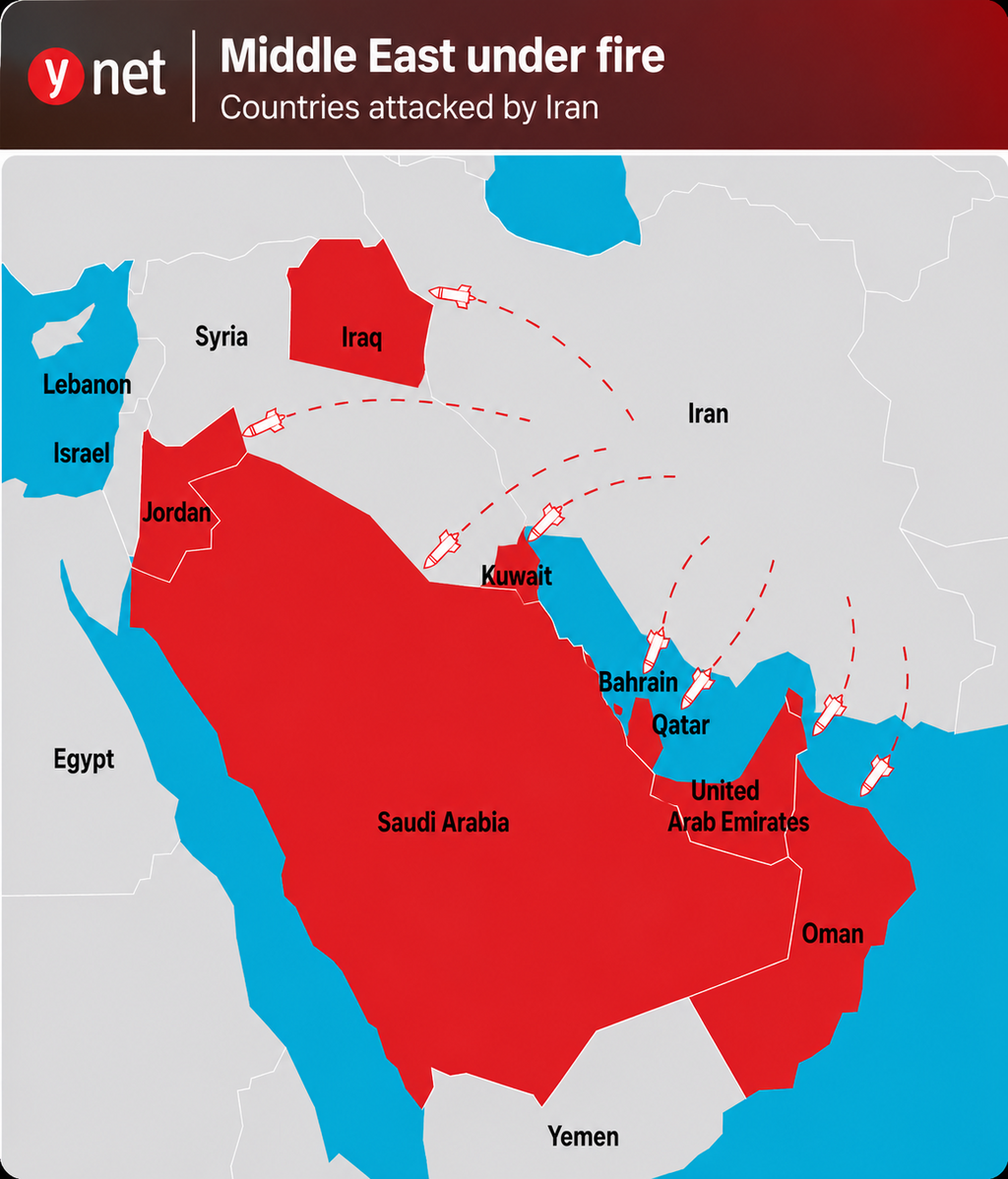
Kuwait functions as a critical logistical hub for the United States military, hosting expansive installations such as Camp Arifjan and the Ali Al Salem Air Base. These bases serve as vital staging grounds for American power projection across the region, placing the host nation on the front lines of any wider regional confrontation. Following the recent collapse of diplomatic engagements, Tehran has shifted its doctrine from relying exclusively on deniable regional proxies to executing direct, state-on-state kinetic aggression.
By striking Kuwaiti infrastructure, the clerical regime sends a bloody message to Washington: any nation hosting American forces will be held as a geopolitical hostage, its economy and infrastructure subject to immediate destruction if the United States continues to launch defensive strikes against Iranian assets.
The missiles that tore through the Kuwaiti power grids did not pause to consider whether the local population supported the Palestinian cause; they were launched to project raw terror and exploit a perceived weak link in the American security umbrella.
The fundamental lesson of the July 18 attacks is that in the unforgiving calculus of Middle Eastern national security, ideological purity, is ultimately a suicidal luxury. Kuwait tried for decades to buy domestic political stability and regional immunity by leading the anti-Israel chorus, yet this strategy has yielded absolutely zero strategic dividends. It did not purchase a single ounce of goodwill from the Supreme Leader in Tehran, nor did it delay the launch of a single explosive drone.
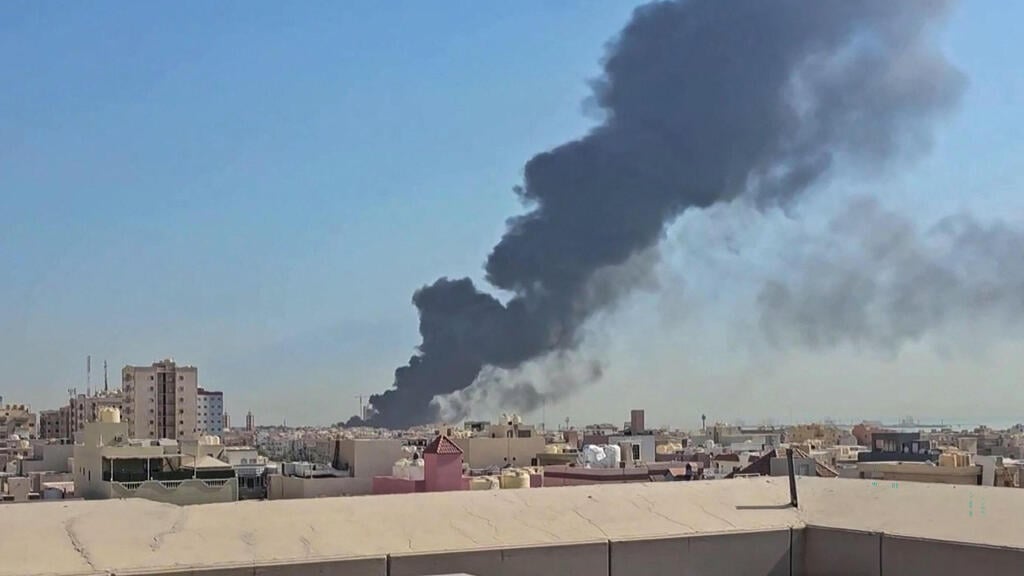
Iran attack on Kuwait
(Photo: AFP)
In fact, by maintaining its fierce hostility toward Israel, Kuwait signaled its own strategic isolation and vulnerability to its enemies. It demonstrated to the Iranian regime that it was fundamentally unwilling to participate in the unified regional front necessary to check the activities of the regional octopus. The legislative obsession with isolating Israel succeeded only in isolating Kuwait itself, leaving its most vital economic engines and civilian lifelines completely exposed to the predatory designs of a neighboring theological dictatorship that respects only strength and collective deterrence.
The time for performance politics has expired under the rubble of the damaged power plants. While the Kuwaiti Ministry of Foreign Affairs scrambles to invoke Article 51 of the United Nations Charter and issue frantic international appeals, the hard truth remains that international law cannot intercept a ballistic missile.
 Amine Ayoub
To preserve national sovereignty and protect its populace from future waves of aggression, the leadership of Kuwait must execute an urgent paradigm shift. The ruling establishment must dismantle its obsolete boycott laws and abandon the performative hostility that has compromised its true security interests for generations. The real threat to the future of the Gulf monarchies has never been located in Israel; it has always been rooted firmly in Tehran.
Kuwait must embrace reality, look toward its pragmatically minded neighbors in the region, and actively seek integration into the emerging regional defense cooperation that links the Abraham Accords states with the State of Israel. By integrating its defense capabilities, sharing vital radar data, and participating in a unified regional shield, Kuwait can transform itself from a highly vulnerable target into a resilient and secure partner.
Survival in the modern Middle East requires hard alliances and real defensive capabilities, not historical grievances and legislative grandstanding. The fires of July 18 have vividly shown the true cost of illusion; the only logical path forward for Kuwait is the absolute pursuit of genuine regional strength through normalization and collective security.
Amine Ayoub, a fellow at the Middle East Forum, is a policy analyst and writer based in Morocco. Follow him on X: @amineayoubx