

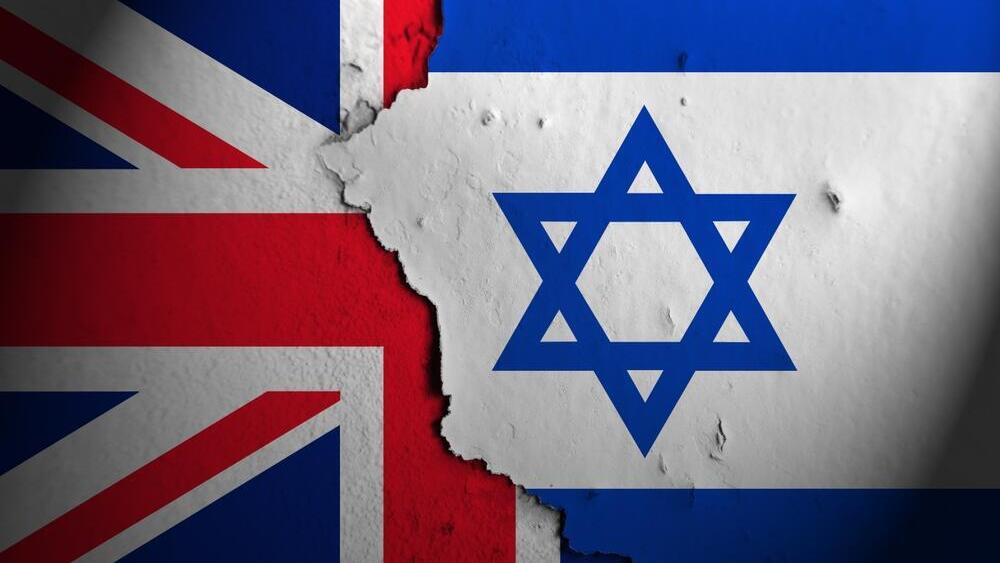
In a move both unprecedented and largely anticipated, the UK’s Labour government has decided to block representatives of Israel’s Defense Ministry from participating in the prestigious DSEI defense exhibition opening in London this week.
A government spokesperson said the decision was made in response to Israel’s plans to expand its military campaign in Gaza and conditioned the participation of Israeli officials on the IDF’s adherence to international law.

Israeli defense industry companies will still be allowed to attend the exhibition, but the absence of Defense Ministry representatives is expected to weigh heavily on some firms that rely on government support. As a result, Israel’s overall presence at the EXPO will be significantly reduced, and the country’s defense industries are likely to suffer commercially.
This calculated UK maneuver — excluding the Defense Ministry but not the companies — appears designed to sidestep accusations of undermining fair competition between leading Israeli defense contractors, such as Rafael Advanced Defense Systems, Israel Aerospace Industries, and Elbit Systems, and their European counterparts.
Earlier this year, French President Emmanuel Macron faced heavy criticism for barring Israeli defense industries from the Paris Air Show. Events of this scale are critical platforms for defense companies to showcase new technologies, build brand recognition, secure strategic clients and forge partnerships.
They also provide valuable opportunities for networking with decision-makers, mapping market trends and tracking competitors in real time. The fact that Israel now finds itself effectively sidelined from two of Europe’s largest defense exhibitions in the same year — with a third boycott looming in the Netherlands — should set off alarm bells in Jerusalem.
Europe, cloaked in its "characteristic hypocrisy" and lack of deeper understanding of the fighting following October 7, avoids engaging in a deeper discussion about the complexities of the Gaza war while taking punitive measures that directly damage Israel's economy.
(Photo: Shutterstock)
The UK’s decision sends a clear political message, reducing Israel’s access to central markets and potentially undermining future deals, collaborative ventures and exposure to emerging technologies. Beyond the immediate commercial fallout, the move carries broader geopolitical implications that could strain Israel’s economic and security relations with Europe.
Responsibility for this predicament, however, does not rest solely with London or Paris. It stretches directly to Jerusalem. The exclusion of Israeli defense industries from European EXPOs reflects not just external hostility but internal governmental failures at multiple levels. Prime Minister Benjamin Netanyahu continues to press ahead with deepening the campaign in Gaza while, critics argue, ignoring the mounting economic, industrial and diplomatic costs.
Foreign Minister Gideon Sa’ar has focused on skirmishes with Canberra but has struggled to address the growing wave of international backlash against Israel, which now risks snowballing into an economic and political tsunami. Economy Minister Nir Barkat, meanwhile, faces accusations of inaction in protecting vital markets for Israel’s growth.
The result is a familiar cycle: shrinking state revenues, declining tax income and worsening pressure on Israeli citizens already burdened by a soaring cost of living. For now, Israel’s defense sector remains a global powerhouse, bolstered by the IDF’s battlefield performance in both Gaza and the recent Iranian campaign.
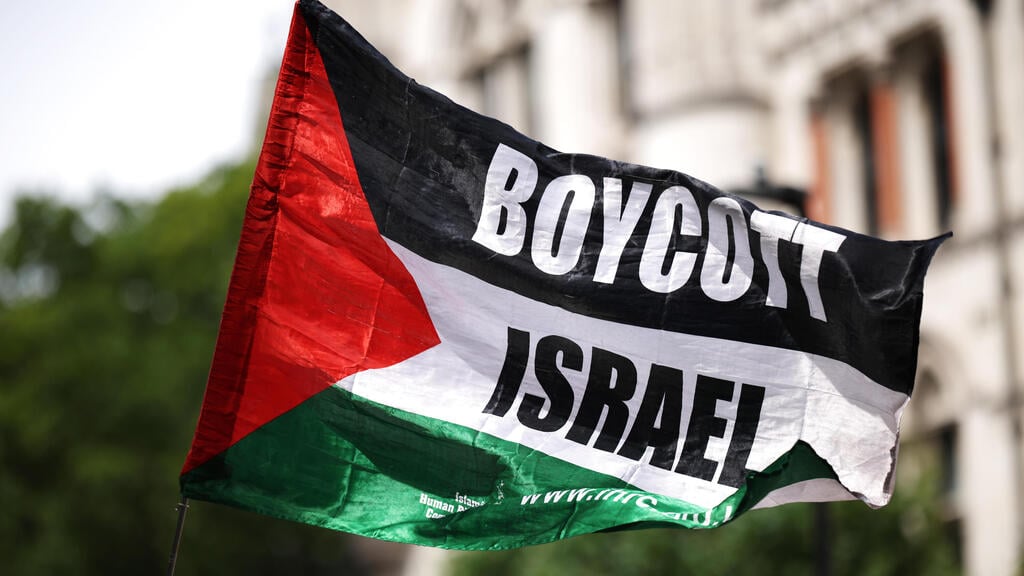
Pro-Palestinian rally in the UK
(Photo: Dan Kitwood/Getty Images)
Demand for Israeli-made weapons remains high, as reflected in defense export reports and the country’s defense-tech sector continues to grow rapidly, combining operational experience with cutting-edge innovation. But this strength is not guaranteed.
If the government wants the country’s defense industries to thrive, it must avoid policies that actively obstruct their success. That path requires bringing home all remaining hostages and ending the war in Gaza — the sooner, the better.