


As the public in Israel, and likely around the world, follows reports of a possible framework agreement that could halt the war between the United States, Israel and Iran, another aspect deserves attention: the White House’s communications strategy.
More precisely, it is the new and creative negotiating tactic being used by the White House, apparently at the initiative of President Donald Trump and with his direct involvement.
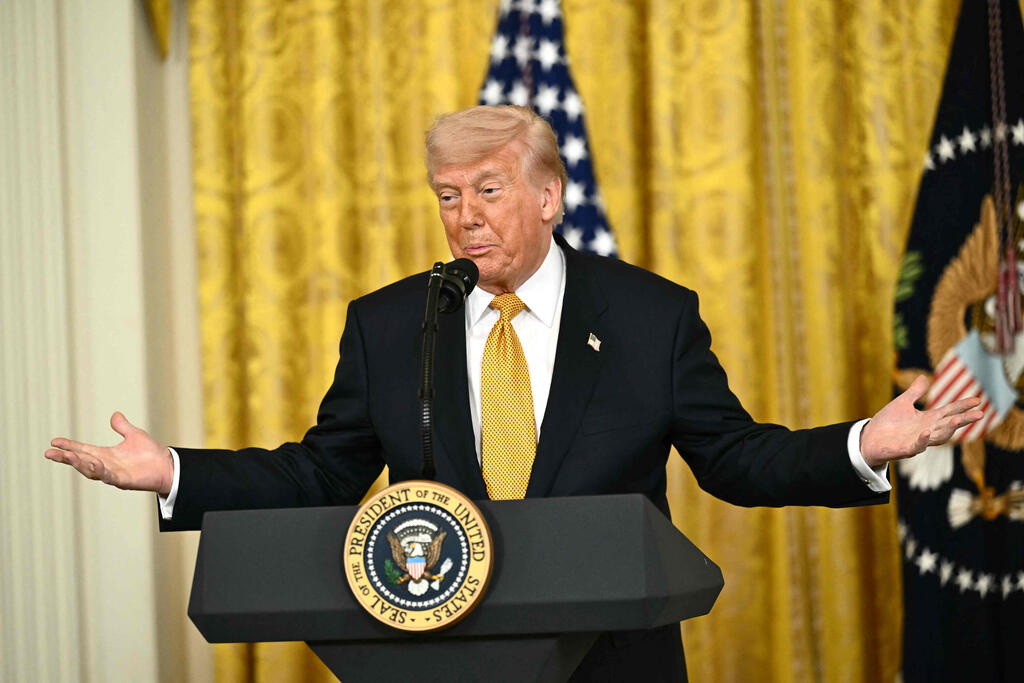
The first hint of a possible diplomatic development came from U.S. Secretary of State Marco Rubio, who said late Tuesday, Israel time, that “Operation Epic Fury is over” and that its goals had been achieved.
About three hours later, Trump posted on his social media platform that “at the request of Pakistan and other countries,” and apparently Saudi Arabia as well, and because of what he described as the enormous military success achieved and significant progress toward a final agreement with Iranian representatives, the United States had agreed that while the blockade would continue, “Project Freedom” would be temporarily suspended.
It was the first time Trump said there had been significant progress in the negotiations — enough to pause the operation aimed at forcibly reopening the Strait of Hormuz to commercial shipping.
Tehran responded with mockery, describing the American decision to halt the Hormuz operation as a “U.S. failure” and saying Trump had retreated. That response suggested there had been, and still was, no coordination between Iran and the United States. Rubio’s and Trump’s announcements appeared to have been made solely at the American president’s discretion. Only Pakistani Prime Minister Shehbaz Sharif expressed optimism.
Several hours later, Axios published details, based on White House leaks — likely from Steve Witkoff, Jared Kushner and others — of the emerging framework agreement. The report generated a wave of optimism in media coverage.
Hours after that, Trump posted again. This time, he sounded cautiously optimistic, while also adding a threat of strikes on Iran unlike anything it had seen before.
The sequence of public statements makes clear that there is still no authorized Iranian agreement to the American proposal for a limited, time-bound framework deal that would stop the fighting for 30 days while negotiations take place.
At most, Iranian Foreign Minister Abbas Araghchi, and possibly other moderates in Iran’s new-old regime, including President Masoud Pezeshkian, appear willing to view the American offer as an acceptable basis for negotiations.
But they must now persuade the hard-line camp that currently leads the regime in Tehran — senior Islamic Revolutionary Guard Corps officials, headed by commander Ahmad Vahidi, the conservative hard-line ayatollahs and Supreme Leader Mojtaba Khamenei — to agree.
That is why Trump rushed to post that an agreement was taking shape based on an American proposal that included a gesture: the suspension of the U.S. operation to open Hormuz by force to commercial shipping.
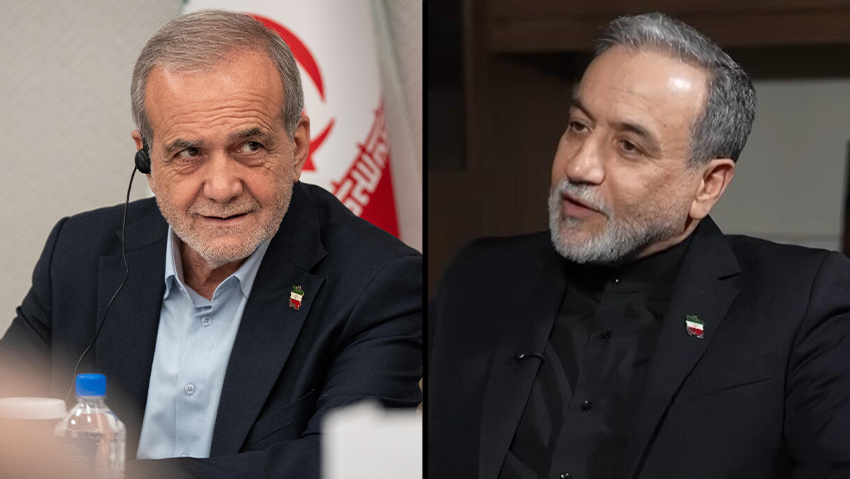
(Photo: AP Photo/Angelina Katsanis)
By doing so, Trump ensured that Iran’s hard-liners would be made aware of the generous American proposal directly and would not need to rely only on reports from Araghchi and his people, whom, according to Western intelligence reports, the hard-line camp does not trust.
Trump also used the same channel to speak directly to the Iranian public. The American proposal, as presented, could end Iran’s economic distress and prevent devastating strikes on oil, gas and possibly transportation infrastructure — damage that could take many years to repair.
In doing so, Trump is creating public pressure on the Tehran regime to accept the American proposal. If the regime rejects it, public anger inside Iran could intensify.
Another message embedded in the posts and leaks about an imminent agreement was aimed at energy and stock markets. After Trump’s announcement, stock markets rose and oil prices fell sharply because of the optimism he created.
That happened even though all Trump currently has in hand is an American proposal that moderates in Tehran view as a suitable basis for talks. Still, Trump has already achieved one objective by spreading optimism.
He is now waiting, along with everyone else, to see the official answer from Tehran’s divided leadership.
It remains to be seen whether this tactic — a mix of presidential statements, contradictory messaging and confusing moves — will throw Iran’s divided negotiating leadership off balance.
In any case, Trump’s maneuver has given him broader legitimacy, even in the face of opposition on Capitol Hill, to resume bombing Iran if the proposal is rejected.