


It is reasonable to assume that the IDF and U.S. Central Command have already reached, or are close to reaching, the maximum military objectives that can be achieved through an air campaign in Iran. The two militaries are now completing and reinforcing a campaign plan prepared in advance, consolidating and deepening what has already been achieved.
By professional assessments based on strict intelligence evaluations, the results are significant. According to informed sources, once the dust settles it may become clear that the war has deprived Iran of much of the military, research and industrial capabilities that made it a major threat to countries in the Middle East and beyond.
Gallery
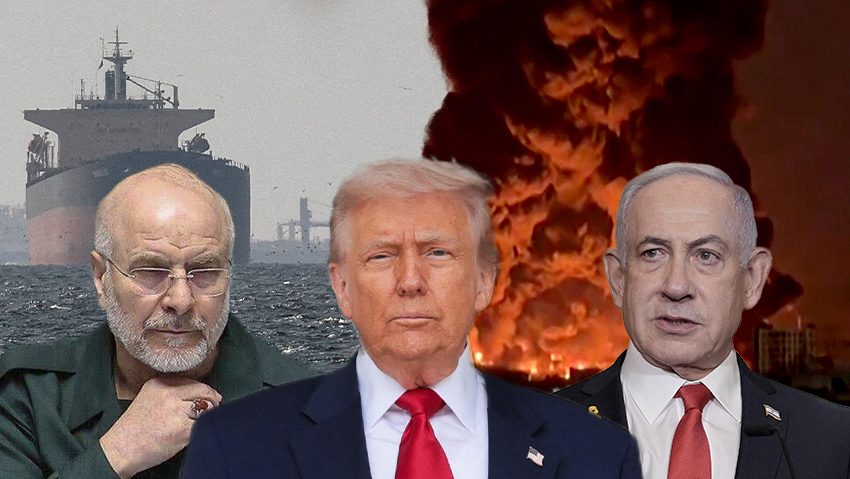
(Photo: AFP - SOURCE: UGC / UNKNOWN, REUTERS/Jessica Koscielniak/Stringer, Oliver CONTRERAS/AFP)
At the same time, as long as it remains unclear whether the current regime will survive and what terms will shape the end of the war, it is not yet possible to assess for how long Iran’s capabilities have been neutralized.
Residual launch capabilities — even if reduced to a fraction of what existed at the start of the war — still allow Iran to inflict damage and casualties. These capabilities enable the regime in Tehran, now effectively led by the Revolutionary Guard, to sustain and worsen the global energy crisis it triggered by blocking the Strait of Hormuz, disrupt daily life in Israel and Gulf states and force the United States to expend vast resources on a war that much of the American public does not understand.
These dynamics are increasing pressure on President Donald Trump and Prime Minister Benjamin Netanyahu to end the fighting quickly. At the same time, indicators suggest that senior figures in the Revolutionary Guard and Iran’s clerical leadership believe time is on their side.
While each passing day increases the risks to their lives and the damage to their infrastructure, their overriding goal is regime survival. Their conduct is driven by a deeply rooted Shiite ideology that views surrender as unacceptable and sees the export of jihad as a core value, reinforcing a sense of mission that allows them to disregard the suffering of civilians.
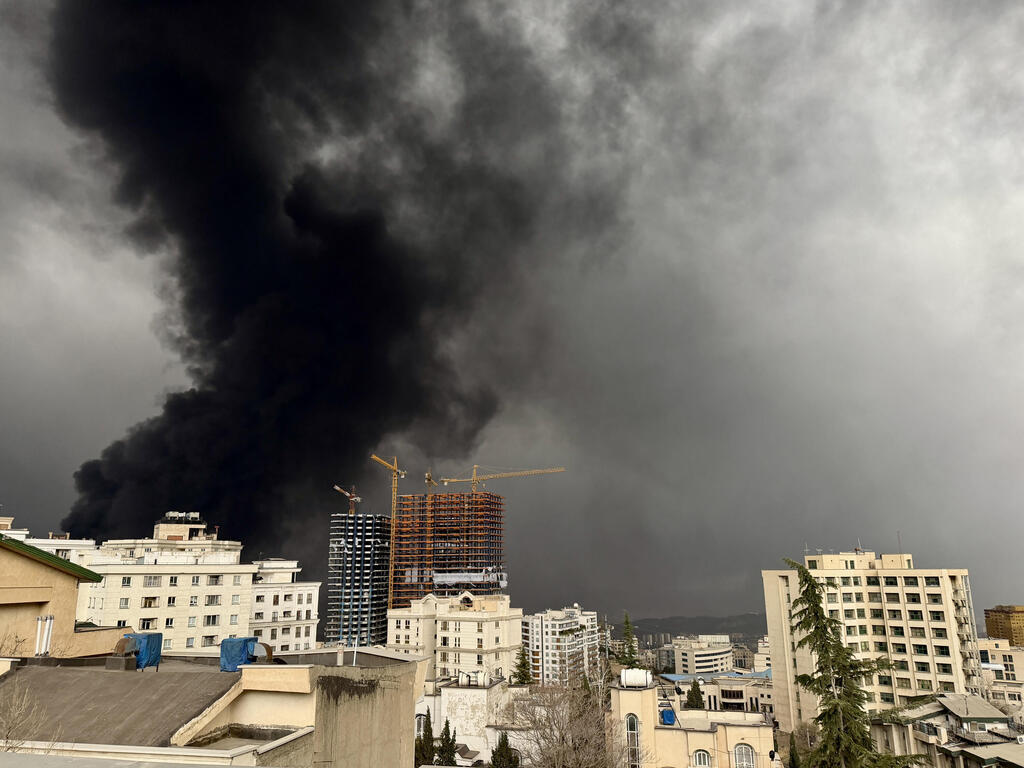
IDF strike in Tehran
(Photo: Majid Saeedi/Getty Images)
Another factor contributing to the lack of urgency in Tehran is the cautious and selective strike policy adopted by the United States and imposed on Israel. While Iran continues to target civilians in Israel and U.S. forces, and attacks energy infrastructure in the region, the IDF and U.S. Central Command have largely avoided striking the regime’s core economic assets — particularly oil and gas — and most national infrastructure.
Aside from limited strikes intended as warnings, targets such as bridges and major energy fields have largely been spared. This approach, shaped by directives from the U.S. president and defense leadership, has effectively led to a war of attrition.
Such a prolonged conflict favors Tehran, allowing it to exploit time — an advantage its adversaries in Washington and Jerusalem lack. A drawn-out war deepens the global energy crisis, prolongs disruption to life in Israel and Gulf states and imposes a heavy economic burden on the United States, while increasing the risk of unintended escalations.
Both Trump and Netanyahu appear to understand that a war of attrition is not in their interest or that of their domestic audiences. As a result, the U.S. president is working to secure a ceasefire through mediation, coupled with negotiations toward a broader agreement.
After concluding that Iran was not engaging with his diplomatic approach, Trump issued an ultimatum: accept a phased deal involving a ceasefire and talks toward a permanent settlement — including reopening the Strait of Hormuz — or face strikes on national infrastructure such as bridges and power plants.
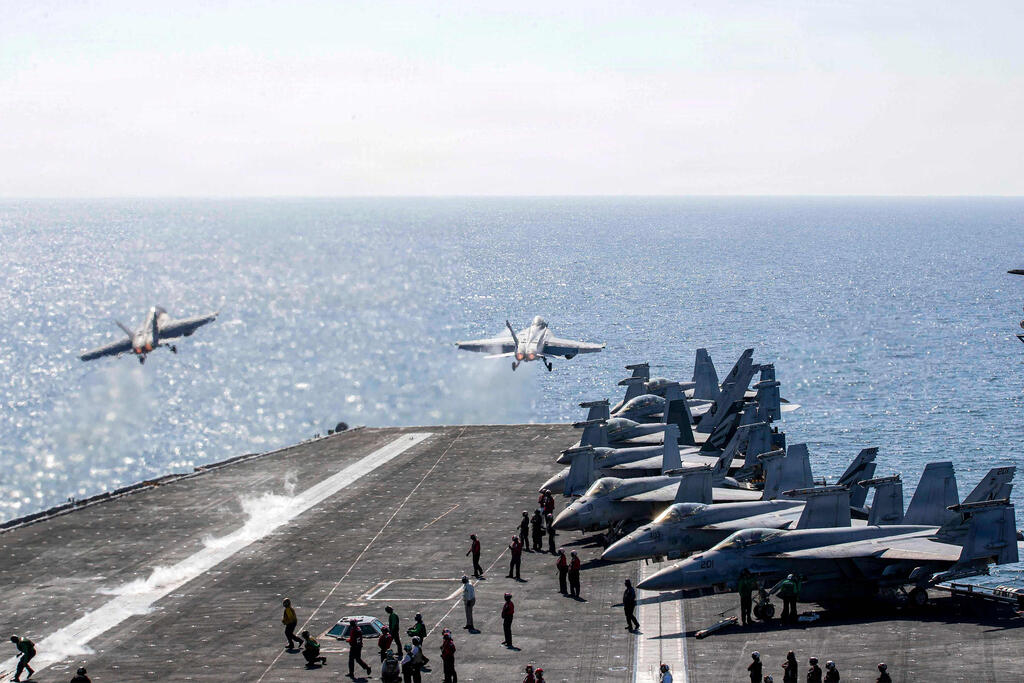
(Photo: US NAVY / AFP)
Although the deadline has not yet expired, U.S. and Israeli forces have already struck secondary infrastructure targets to demonstrate the potential scale of future action. Iran has so far rejected these signals.
This leaves Washington and Jerusalem facing a need to reassess their strategy.
The primary U.S. objective is to end the global energy crisis by reopening the Strait of Hormuz. A second goal is to conclude the war quickly under conditions that meet minimum American requirements and can be presented as a clear achievement.
Israel’s objectives are more complex. First, to create conditions that would enable internal opposition in Iran to challenge the regime after the war. Second, to prevent Iran from rebuilding its military capabilities or benefiting from a rapid lifting of sanctions, which could strengthen the regime. Third, to restore normal life in Israel by ending ballistic missile attacks from Iran and its allies.
Given Iran’s refusal to negotiate and the risk of sliding into a prolonged war of attrition, two main military options remain.
The first, preferred by Trump, is a gradual escalation targeting Iranian national infrastructure. Increasingly severe damage could undermine the regime’s ability to provide essential services, potentially threatening its survival. However, this approach requires time and allows the regime to adapt while continuing to disrupt global energy markets and regional stability.
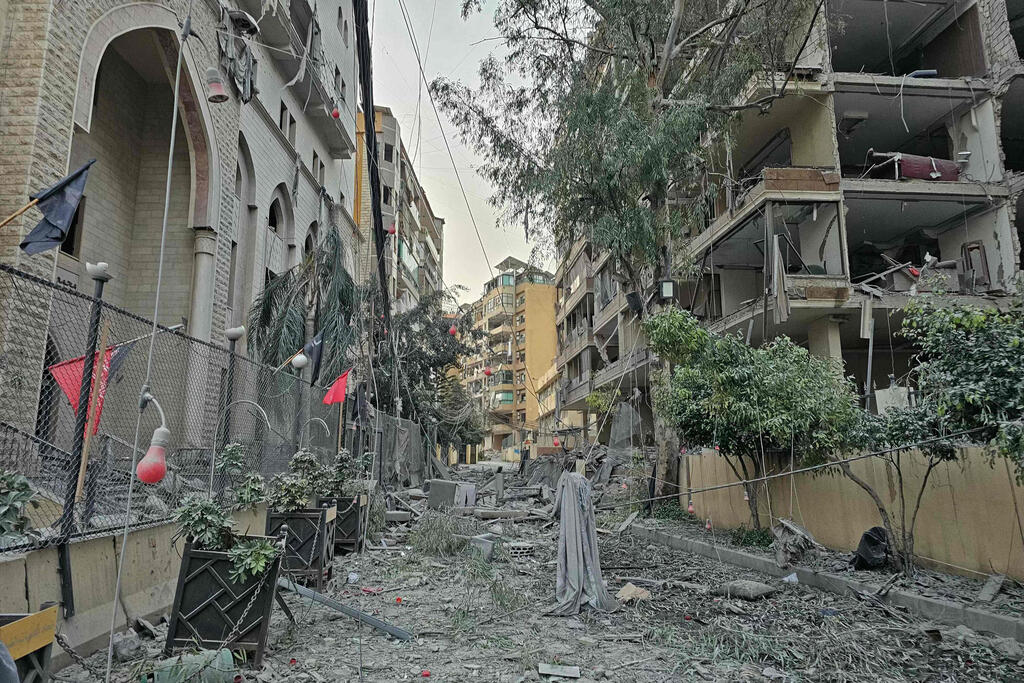
Aftermath of IDF strike in Tehran
(Photo: AFP)
The second option is a more rapid and decisive strategy, sometimes referred to in Israel as the “Dahiya doctrine.” This would involve issuing advance warnings to evacuate civilian populations — particularly in areas associated with regime supporters — followed by large-scale airstrikes that would destroy entire neighborhoods.
This approach, used in past conflicts in Lebanon, is intended to generate swift pressure on leadership by targeting areas linked to power structures. Its effectiveness, according to this analysis, would be greater if combined with strikes on key transportation infrastructure such as major interchanges and bridges in Tehran.
Under such a strategy, the regime’s response is expected to be severe. Therefore, its implementation would require conditions allowing the Israeli Air Force to rapidly suppress retaliatory missile fire.
Experience suggests that Tehran is less sensitive to developments in peripheral regions. For such a strategy to be effective, it would need to focus on areas where families of senior regime figures reside. Displacing these populations and repeating evacuations could increase pressure on the leadership and make it more difficult for senior Revolutionary Guard officials to reject proposals for a ceasefire.