


The transatlantic alliance is currently facing its most severe internal rupture in decades. As we move through 2026, Spain has positioned itself as the primary "laggard" in a new NATO security order that demands total alignment.
The tension reached a crescendo at the January 2026 Davos summit, where U.S. President Donald Trump explicitly questioned Spain's commitment to collective defense, describing the Sánchez administration as a "free rider" and even suggesting its potential expulsion if it fails to meet the Hague Summit’s aggressive 5% GDP spending mandate.
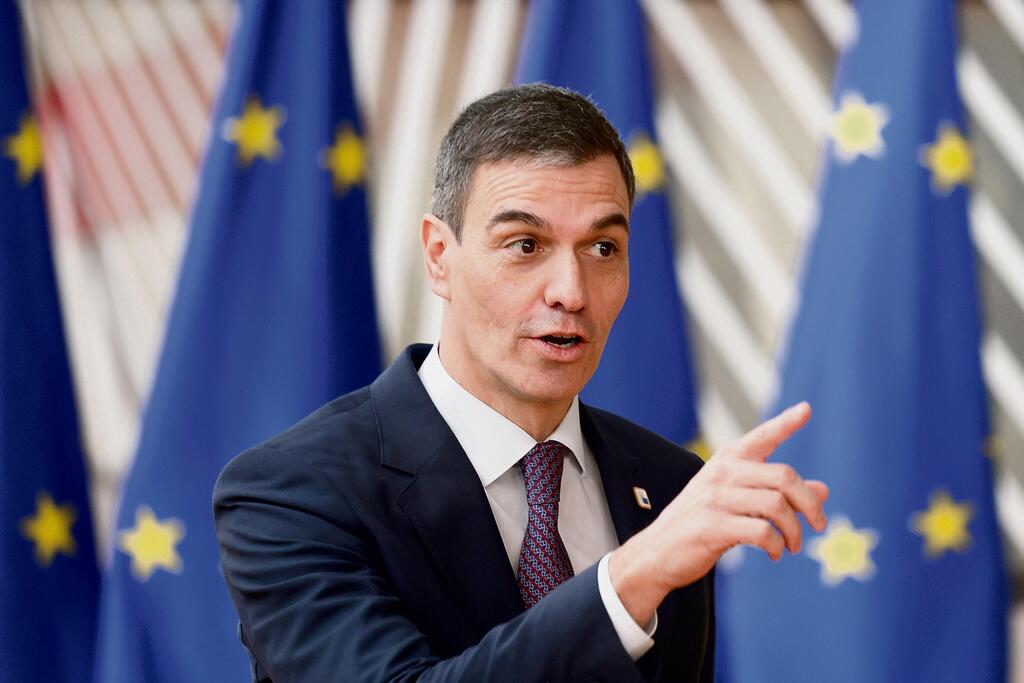
While most allies have scrambled to hit this target to counter the triple threat of Russian revanchism, Iranian regional aggression and Sahelian instability, Madrid has dug in its heels. Prime Minister Pedro Sánchez has framed this defiance as a choice between "guns and butter," claiming that massive military expansion is fundamentally incompatible with the Spanish welfare state.
However, to the rest of the alliance, this isn't just a budgetary dispute; it is a symptom of a deeper strategic divergence that threatens the integrity of NATO’s southern flank.
The logistical irony: embargoes and friction
The instability is fueled by the implementation of Royal Decree 10/2025. This legislative hammer, which became fully operational on December 30, 2025, imposes a comprehensive two-way embargo on Israeli defense materials and, more critically, bans the transit of military-grade fuels (JP-4, JP-5 and JP-8) through Spanish territory if destined for Israel.
This decree has introduced "logistical friction" into the heart of NATO operations. By closing its ports and airspace to critical military supplies, Madrid has forced U.S. and allied assets to bypass traditional Mediterranean hubs like the Rota and Morón bases. This disruption complicates the supply chains necessary for regional stability and forces allies to adopt longer, more expensive routes.
(Illustration: Shutterstock)
By cutting off Israeli technology—which is vital for the modernization of neighboring partners like Morocco—Spain is inadvertently weakening the security architecture meant to check Russian and Iranian entrenchment in North Africa.
The tech dependency and the 'Airbus exception'
The most glaring contradiction in Spain's policy is the "Airbus Exception." Despite the government's rhetoric about "strategic autonomy," Spain remains structurally dependent on Israeli innovation. Recognizing that a total boycott would collapse its own aerospace industry, the government was forced to grant an exception for aviation giant Airbus. This allows the continued import of Israeli subsystems for the A400M transport planes and the SIRTAP drone project.
This move has been slammed by critics as "strategic hypocrisy." While the government performs a moral crusade for its radical left base, it quietly utilizes the very technology it purports to ban to keep its 14,000 aerospace jobs and its own military readiness afloat. This dependency extends far beyond the hangar; Spanish intelligence services, healthcare infrastructure and the vital automotive sector all remain tethered to Israeli-coded software and high-tech sensors.
Washington’s economic counterstrike
The Trump administration is not content with mere verbal rebukes. The U.S. Congress has already initiated a formal review of Spain’s boycott laws under Section 999 of the Internal Revenue Code. If the Treasury Department officially blacklists Spain for participating in an unsanctioned international boycott of a U.S. ally, the economic fallout would be seismic.
 Amine Ayoub
Such a listing would trigger mandatory reporting requirements for any U.S. company operating in Spain and could lead to the loss of foreign tax credits. For the thousands of American multinationals with hubs in Madrid and Barcelona—including tech giants like Google and Intel—Spain would transform from a gateway to Europe into a toxic regulatory environment.
A flank divided
As 2026 progresses, the question for NATO is whether it can tolerate a core member that acts as a "strategic liability." By aligning its domestic political needs with an anti-Israel crusade, the Sánchez government has alienated its most powerful ally and fractured the Mediterranean consensus.
Spain now stands at a crossroads: it must either reconcile its ideological ambitions with its obligations to the Western security framework or accept an increasingly isolated status as a "strategically unreliable" actor in a world that no longer rewards neutrality.
- Amine Ayoub, a fellow at the Middle East Forum, is a policy analyst and writer based in Morocco.