

Prime Minister Benjamin Netanyahu finally admitted it: Israel is economically isolated. He dressed it up in talk of "self-reliance," but let’s not kid ourselves. What it means is sanctions chatter, investors holding back, tourism gutted and exporters paying higher premiums just to ship goods abroad.
The polite term is "isolation." The truth is economic siege. And here’s the question no one in government seems willing to ask: what industry is going to pull us out? What product can we grow, make and sell to the world that both creates jobs here and commands respect abroad? I’ll say what I’ve been saying for the last nine years: it’s wine.

When I launched Wine on the Vine, people thought it was a gimmick. Cute. Plant a vine, raise a glass, post a photo. What they didn’t understand was that planting a vineyard is a form of planting sovereignty. Promoting Israeli wine is promoting independence.
I met with the Tourism Ministry to advocate for a national wine trail—a comprehensive, expertly designed route that could boost exports, tourism and job opportunities. They turned it down, not because the idea lacked merit, but because they didn’t bring in real consultants who understood the business. They asked me who was paying taxes, not how to build a profitable wine economy.
Separately, I attempted to collaborate with the Economy Ministry on their Wines of Israel campaign. They didn’t bring us into the fold. Instead, they burned through $5 million in one year on a campaign that was a total disaster: no clear benchmarks, no lasting infrastructure, no sustained lift in exports or arrivals.
By contrast, we’ve invested around $2 million into Wine on the Vine over nine years and accomplished more with half the budget and ten times the staying power. Bureaucrats spend money. Entrepreneurs build industries. For nearly a decade, I’ve said: wine isn’t a lifestyle—it’s a lifeline. Now that Netanyahu has admitted the truth about isolation, maybe people will finally hear it.
Why wine, why now
Wine is not sentimental; it’s strategic. The global wine market is worth half a trillion dollars and continues to grow. It is value-dense, brand-driven and expanding in the key markets Israel needs to succeed in: North America, Europe and Asia. If New Zealand can turn Sauvignon Blanc into billions, Israel can do the same with Cabernet from the Judean Hills, Syrah from the Galilee and Chenin Blanc from the Negev.
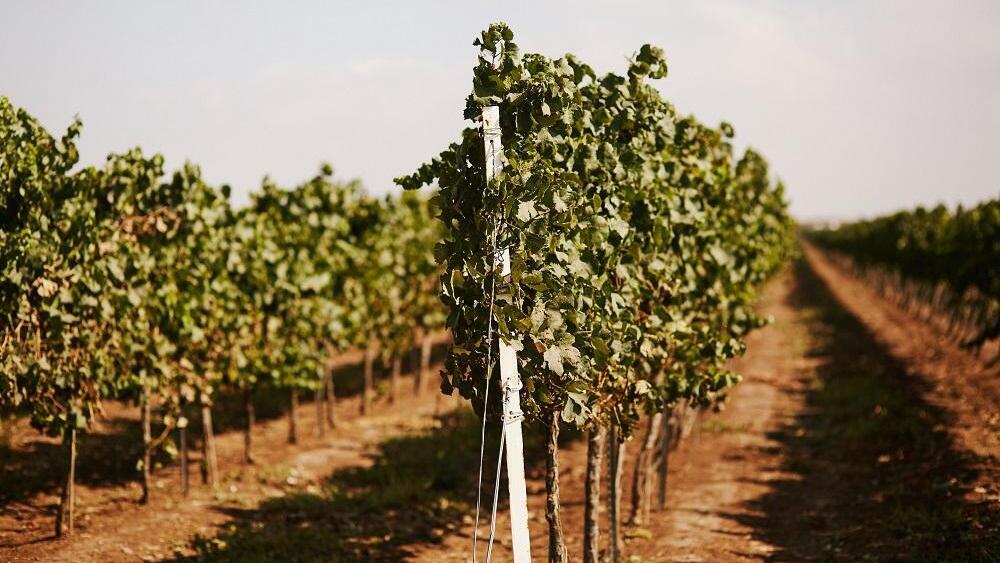
If New Zealand can, so can we. Tavor Vinyard
(Photo: PR)
Currently, exports stand at $57.3 million—a modest figure but one that shows potential. With the right strategy, doubling that to $120 million in five years is within reach. Add the spillover effects—tourism, logistics, design, jobs—and the impact multiplies.
High-tech creates billionaires. Wine creates livelihoods. Every hectare of vines supports growers, bottlers, glassmakers, label printers, truckers, restaurateurs and guides. Wine money flows into the periphery: kibbutzim and moshavim in the Galilee and Negev, towns far from Tel Aviv’s towers. Economists agree: raising the productivity of SMEs—small and medium-sized enterprises—lifts GDP. Wine is SME-rich by nature. This is resilience - thousands of families rooted in the land, exporting dignity one bottle at a time.
For a century, Israel defined its revival through tree planting. Trees had their place in reclaiming the land, but today it makes no sense to keep pouring resources into forests that don’t anchor our economy. I’ve argued for years that we must switch from trees to vines. And what can you expect from KKL and JNF-USA? They are nonprofit people and government bureaucrats - you cannot expect them to innovate into something new.
These organizations were built to plant trees in the desert, not to build industries. Expecting them to innovate is like asking a shovel to become a plow. Vines are not just agriculture - they are heritage, history and survival. They connect us to Noah’s first vineyard after the flood, to the libations poured in the Temple, to the prophets who promised that the mountains would drip with wine. A bottle of wine is more than a drink; it is the Land of Israel made tangible, carried across oceans and shared at tables. Planting trees was symbolic. Planting vines is sovereignty.
Tourism has always been one of Israel’s hidden engines. War decimated it. How do we rebuild? With experiences that bypass politics. Wine trails are that experience. Three flagship routes - Galilee, Judean Hills and Negev - can turn Israel into a destination of tastings, landscapes and stories. Globally, agritourism is a proven multiplier: visitors stay longer, spend more and return. We tried to bring this vision to life. Ministries killed it. They threw money at short-lived campaigns while ignoring the infrastructure. If Israel is serious, it cannot rely on bureaucrats. It must unleash entrepreneurs.

Shock and awe. Vinyards in the Negev
(Photo: Tiki Golan)
Here’s where wine becomes economics and politics. Commodities are punished; premium goods, protected by appellations, endure. Israel finally recognized Judean Hills/Judean Foothills appellations—terroir-based rules that enforce quality and origin. This isn’t marketing fluff; it’s price power. A Judean Hills Syrah, grown 700 meters above sea level on limestone soils, retains its value in New York or Tokyo long after headlines fade. More appellations must follow.
Soft power that cannot be sanctioned
Netanyahu talks about "influence operations." Influence isn’t crafted in press releases. It’s poured in glasses. I’ve seen a sommelier from Paris taste an Israeli Cabernet and light up with disbelief. I’ve watched chefs in Miami pair Galilee Syrah with lamb. I’ve seen travel writers stunned by sparkling wine from the Judean Hills. And I will never forget the moment a sommelier’s eyes widened in shock and awe when tasting Israel’s indigenous grape, Argaman - a visceral reaction of wonder, as if they were touching something entirely new; a flavor born only of this land, impossible to replicate anywhere else on earth. You cannot sanction an aroma. You cannot boycott joy. Every bottle is an ambassador. Every sip is diplomacy.
Wine is not anti-tech—it’s tech in liquid form. Drip irrigation turned the Negev green. Reclaimed water sustains Galilee vines. Precision agriculture and canopy management produce consistency in a volatile climate. Every bottle showcases Israeli ingenuity in the face of scarcity and heat. That is influence no PR firm can replicate.
Global vineyard acreage is shrinking. Climate stress is upending yields. Consumers are trading up to premium bottles. This is the window. Israel’s best producers are already winning international awards. With discipline and investment, we can seize market share while others falter.
Let’s stop talking in abstractions and do the math. There are about 7 million American Jews. If even 25% of them - just 1.75 million people - bought one bottle of Israeli wine per week at $20, that would generate over $1.8 billion annually.
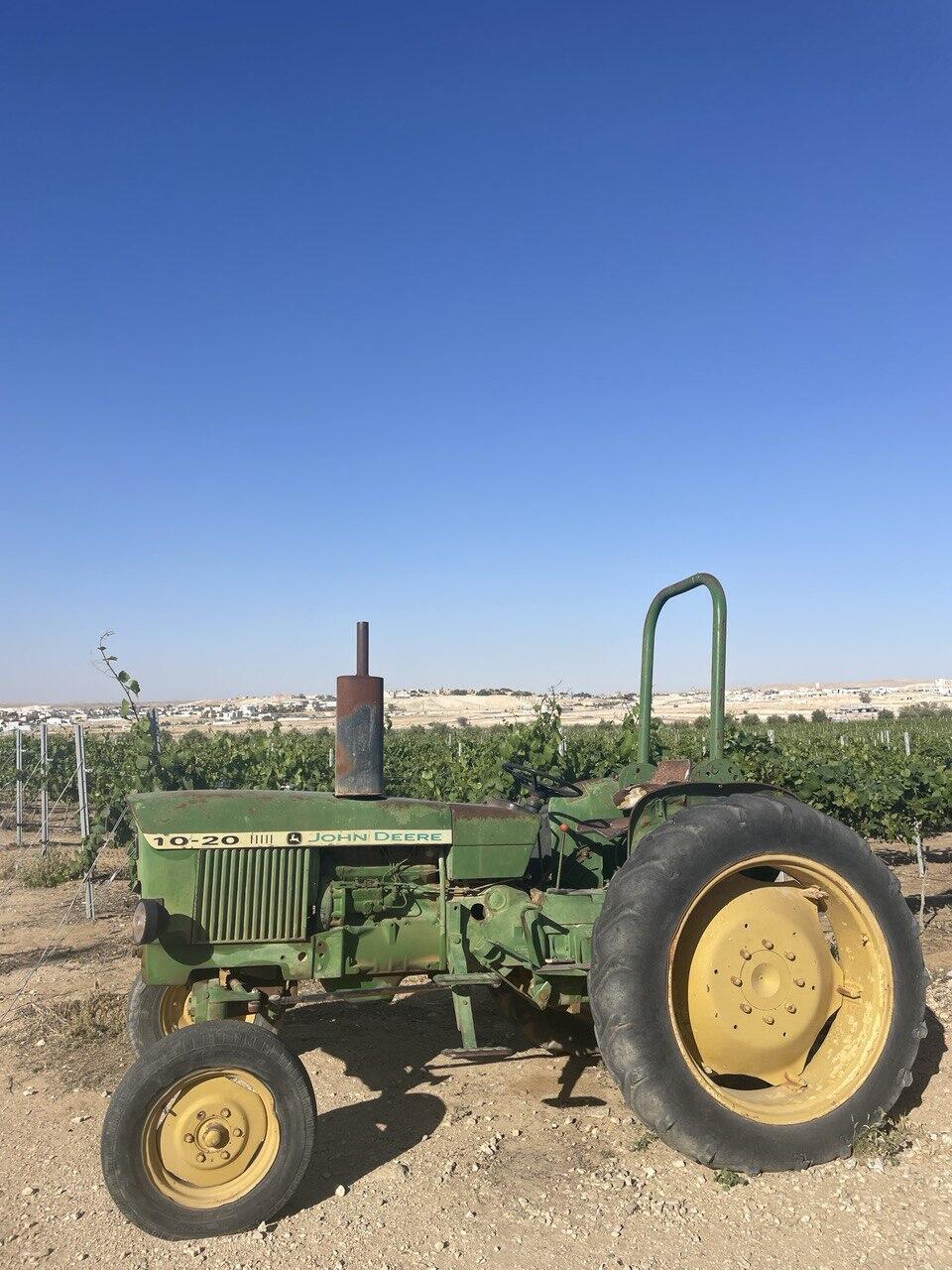
An untapped market. Vinyard in the Negev
(Photo: Tiki golan)
Now look at Christians. There are roughly 250 million in the United States. If just 25% of them - about 62.5 million people - bought a single bottle of Israeli wine per year at $20, that’s another $1.25 billion annually. Together, that’s over $3 billion in grassroots demand. Compare that to Israel’s current wine exports of just $57.3 million. This isn’t incremental growth. This is an untapped market that could potentially multiply the industry's revenue fifty-fold and replace the shortfall created by boycotts and sanctions - overnight.
What must be done
1. Unify the brand with teeth. Launch a national "Wines of Israel" export body with a three-year, $30 - 40 million budget and hard KPIs: double exports to $120M in five years, secure 2,000 new placements abroad and raise average bottle prices by 25%.
2. Build the national wine trail. From the Galilee to the Judean Hills to the Negev, develop signposted routes, proper infrastructure and bookable 72-hour itineraries. Wine trails are not marketing fluff - they are economic engines. Either we build them, or tourism stagnates.
3. Back the producers, not the bureaucrats. Establish a revolving "Vine-to-Value" fund with access to low-cost credit, cold chain support and e-commerce integration tied directly to export milestones. Ministries wasted $5 million on vanity campaigns; entrepreneurs with $2 million have already delivered ten times more.
4. Finish the appellation map. Judean Hills was only the start. Every region - Galilee, Golan, Negev - needs terroir rules to secure price power. Without appellations, our wines are commodities; with them, they are premium, boycott-proof exports.
5. Turn Diaspora demand into a movement. Mobilize American Jews and Christian allies to buy Israeli wine regularly, not as charity but as consumption. If 25% of them acted, they would create $3B in grassroots demand - fifty times our current exports. That is sovereignty built bottle by bottle.
6. Switch from trees to vines. A century ago, trees symbolized rebirth. Today, vines symbolize survival. Every vine planted is both a piece of heritage and a revenue stream - a way to carry the Land of Israel across oceans, into homes, and onto tables worldwide.
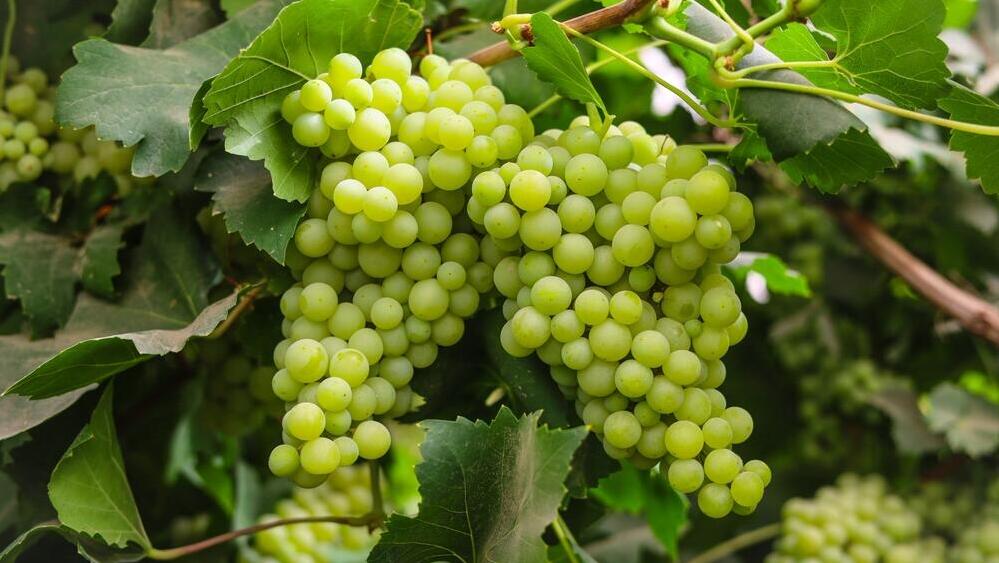
(Photo: Shutterstock)
7. Tell the climate-tech story in every bottle. Require water and carbon disclosures, highlight drip irrigation and reclaimed water, and brand Israel as the wine region that makes scarce water drinkable. Every pour becomes a lesson in how Israel saves the future.
Self-reliance is not a slogan. It’s receipts. It’s exports. It’s jobs. It’s sovereignty. For nine years, I’ve said planting vineyards is planting freedom. Wine is Israel’s economic weapon against isolation. The prophets promised that the mountains would drip with wine. The choice is ours: either we let that promise drip into foreign soil, or we make every bottle the foundation of Israel’s survival. If Israel is serious about survival, then it must take the vineyards as seriously as it takes the battles.
- Adam Scott Bellos is the founder and CEO of The Israel Innovation Fund (TIIF) and the creator of Wine on the Vine, a project dedicated to planting vineyards and promoting Israeli wine as a tool of cultural and economic revival. He is the author of the forthcoming book Never Again Is Not Enough: Why Hebraization Is the Only Way to Save the Diaspora.