



Barring unforeseen developments, Israeli forces are primed to launch a massive ground offensive within Gaza City in the coming weeks — with possible extensions into the central refugee camps (al-Bureij, al-Maghazi, Nuseirat) and Deir al-Balah.
The destruction will be severe, echoing the devastation already witnessed in Rafah and Khan Younis. Heavy Palestinian casualties are anticipated — Hamas fighters and civilians alike — alongside inevitable Israeli losses, including, tragically, some of the hostages.
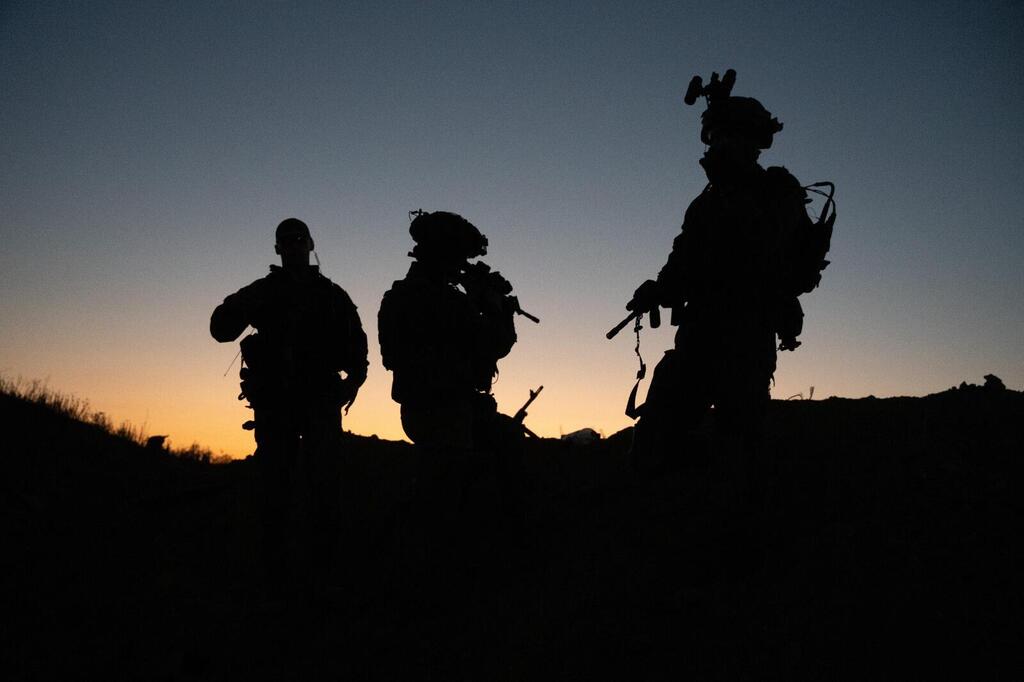
IDF in Gaza
(Photo: IDF)
Even after another push into Gaza City — IDF has operated there before — Hamas is not expected to capitulate. Its fighters will continue charging toward death, wagering on Israeli strikes that inflict maximum civilian suffering, as seen recently in Khan Younis.
For Hamas, civilian blood has long been a weapon in its war with Israel, well before this conflict erupted. At some stage of Operation Iron Swords, Gideon's Chariots, or whatever name is deemed fierce enough for political consumption, Hamas may signal willingness for a partial arrangement, much as it does today. But surrender is not on the table. The organization will burrow deeper, building tunnel upon tunnel. In every neighborhood the military enters, Hamas will retreat elsewhere; in every neighborhood it vacates, Hamas will return.
'The day after' looms large
Another offensive in Gaza City will not topple Hamas, contrary to the promises of Netanyahu’s allies, but it will shore up the coalition’s survival. A comprehensive deal to end the war and secure the hostages will not emerge from such an operation, for one blunt reason: neither Netanyahu’s government nor Hamas wants it. Both dread the “day after” — in Gaza and in Israel alike. Both fear the reckoning with their own people. Both understand that a sweeping deal would force them to loosen their grip on power. And perhaps the deeper fear for both Hamas and Netanyahu is this: that ending the war would rekindle hope among their publics — hope for a better future.
IDF troops expose underground tunnels in Gaza City's Issa district
(Video: IDF Spokesperson's Unit)


What has appeared in polls is now roaring in the streets: a decisive majority of Israelis support a deal to free the hostages, even at the price of halting the war. This does not make them traitors, nor Hamas sympathizers — it makes them citizens driven by anguish, who understand that the nation cannot heal, the people cannot rebuild, until the hostages return home.
The recent surge of protests demanding such a deal has reignited that hope. In response, government loyalists have lashed out in hysteria, unleashing disgraceful attacks on demonstrators and even on hostage families. Environmental Protection Minister Idit Silman, sensing her political future slipping away, smeared the protests by branding October 7 the “Kaplan Massacre," supposedly blaming judicial overhaul protesters. Desperate to be remembered by the right-wing base, she resorted to reckless incitement against hundreds of thousands of her own people.
 Avi IssacharoffPhoto: Yuval Hen
Silman, however, is but a symptom. Netanyahu’s ministers and loyalists, who sought to curse the protests, ended up fueling them. Attempts to brand demonstrators as traitors or Hamas collaborators not only failed to deter Israelis — they drove even more into the streets. The difference was palpable: not just extraordinary numbers, but new energy, new faces. After long months of absence, the young have returned — youth movement activists, students, kippah-wearing religious Zionists, even reservists. Thanks to the venom spewed by Netanyahu, Smotrich, and their allies, the coalition now confronts its deepest fear: after months of despair and resignation, hope has returned.
The polls have come alive on the streets: most Israelis demand a complete and unconditional deal for the return of the hostages, prolonging the war be damned. They are not traitors, nor Hamas supporters. They are citizens who understand a harsh truth—healing is not an option as long as hostages are languishing in Gaza, and they grasp another truth as well: Netanyahu’s government will do everything possible to prolong this war and block a full agreement.
First published: 10:23, 08.27.25