

The Land of Israel is a vineyard, and the Jewish people are its grapes. This is not a metaphor. It is a covenant. It is memory. It is survival pressed into the soil and poured into the cup. From the beginning, our destiny was written in wine. Jacob blessed Judah, the patriarch of our tribe, with the words: “He will wash his garments in wine, his robes in the blood of grapes.” This was no idle poetry. It was prophecy—of sovereignty, of abundance, of a people tied forever to the vineyard.
When the spies returned from Canaan, they carried with them a cluster of grapes so large that two men had to hoist it on a pole. That was not just proof of the Land of Israel’s fertility—it was testimony. This land gives strength. This land is alive. This land is ours.
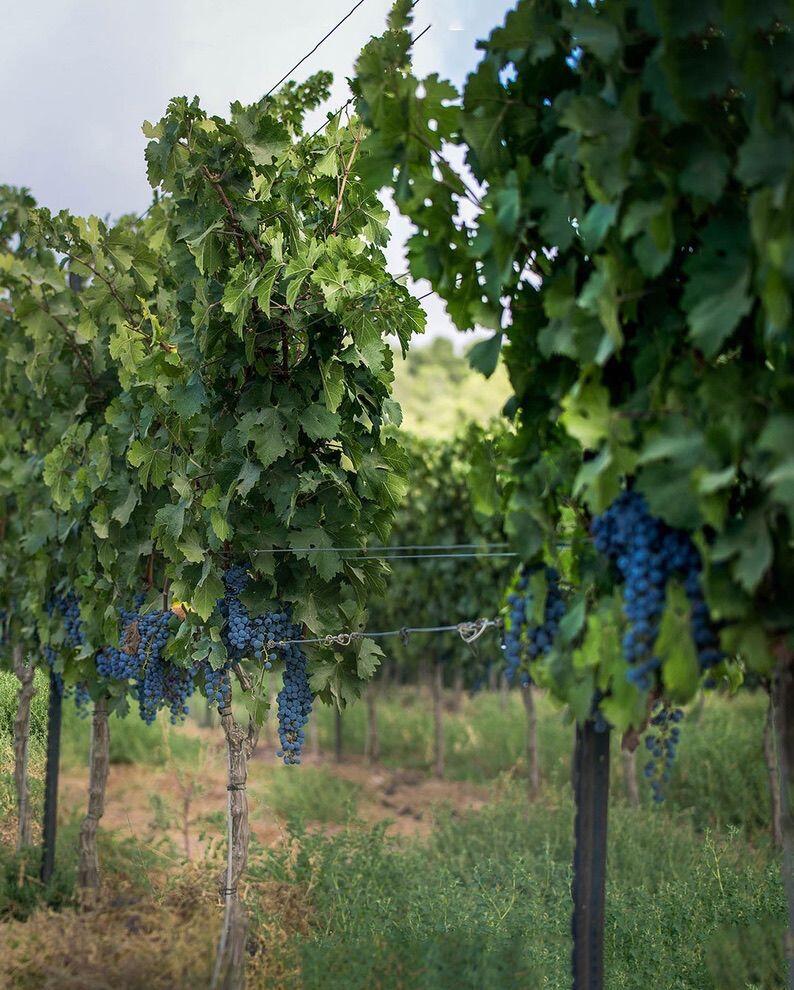
Wine has always been more than a drink or a libation to the Jewish people. It is the sanctification of life itself—a gift from G-d himself. We do not enter Shabbat without it. We cannot wed the bride and groom, welcome a child into this world, or bury our dead without blessing the fruit of the vine. Our history is in a cup. Our story is in a bottle. Every sip binds us to holiness. To our story, and our land. Every drop proclaims: life itself is sacred.
The Romans could burn our Temple, but they could not uproot the vine. Judean wine was too prized, too deeply woven into the fabric of the empire. Amphorae from our hills have been found across the Mediterranean, stamped with the mark of Judea. Our grapes flowed through Roman markets, poured into Roman cups, and traveled on Roman ships. Even as legions marched us into exile, Rome drank us. Our land lingered on their lips.
The vineyard testified: Judea lives, Israel endures. The vineyard remained. The vintners, the tenders, the pressers of grapes—they were not stripped from the soil, because Judean wine had become a central element of Roman trade. In the very era when we were told we were finished, the essence of our land was still being poured at Roman banquets, still sanctifying meals in foreign tongues. It means this: the vine has always been our witness.
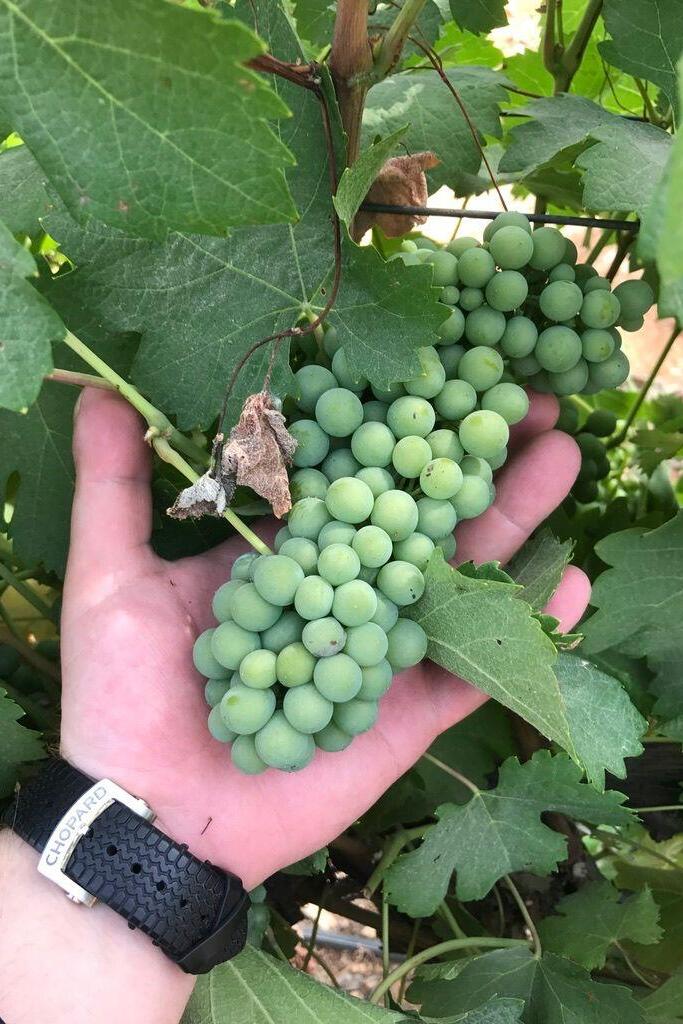
The vineyard remained
When sovereignty was stolen, when our Temple was reduced to ash, when our people were marched in chains, the vineyard still testified—Judea lives, Israel endures. Our soil could not be erased, because its fruit had already carried our story into the bloodstream of the world.
But memory is a seed, and seeds grow. When our people returned to the Land of Israel, they planted vines. Baron Edmond de Rothschild, mocked by Europeans who thought Jews could not farm, funded the establishment of the first great vineyards in Rishon LeZion and Zichron Yaakov. At the Carmel Winery, a young David Ben-Gurion—small, determined, not yet a statesman—would stomp on grapes with his bare feet. Even in that humble work, the pressing of the vine was the pressing of a people back into history and our land.
Today, vineyards stretch again across Judea, Samaria, Galilee, and the Negev. They cling to stone, to dust, to scorching heat, and yet they give fruit more potent than ever. Is this not the Jewish people? Pruned by history, scarred by exile, yet sweeter, stronger, deeper for it.
But the vineyard is not only about survival—it is about love and devotion. On Tu B’Av, the holiday of love, the daughters of Israel once danced in white garments through the vineyards, while the young men chose their brides among the vines—life, love, covenant—all renewed in the vineyard.

A vineyard demands patience. A grapevine does not bear fruit in its first year, or even the second. It takes years of pruning, guarding and care before the harvest comes. So it is with us. We are not a people of quick results—we are a people of endurance. We dig our roots into rock until we find water. We endure. We mature. And like wine, we age with complexity, carrying the depth of time within us.
And grapes are not meant to remain grapes. They must be crushed, pressed and transformed. That is the Jewish story. Our suffering has never been an end—it has been the pressing, the fermenting, the refining of a nation destined to sanctify life itself.
Every bottle of Israeli wine is prophecy fulfilled. Every vineyard planted in Judea or the Negev is a banner of sovereignty. Every glass raised in Tel Aviv or Jerusalem is a defiance against exile, against genocide, against every empire that swore we would vanish. To drink Israeli wine is to taste redemption.
The Land of Israel is a vineyard, and we are its grapes. To plant vines here is to claim eternity. To tend the vineyard is to guard our future. To drink the wine is to taste our covenant renewed. We are a people pruned by history but alive again, strong again, sovereign again. The vineyard is our past, our present and our promise.
As long as the vines grow in Israel, as long as Jewish hands press grapes into wine, the covenant lives, the people endure, and redemption flows. Raise your glass. Drink deep. This is our land in a cup. Our story is in a bottle—taste redemption. Plant the vine. Tend the soil. Guard the vineyard.
For as long as the vines grow in Israel, the covenant lives, the people endure, and the future is ours.
Adam Scott Bellos is the CEO of The Israel Innovation Fund. TIIF’s flagship project is called Wine On The Vine. Where you can plant grapevines and vineyards in Israel, like we once did with trees at plantavine.org, or order Israeli Wine directly to your home in the UK, the United States, and Israel at www.wineonthevine.com