

Tel Aviv celebrated its first Pride Parade since the October 7, 2023, massacre on Friday, drawing an estimated 120,000 participants and supporters.
The city's seafront, stretching from Gordon Beach to Charles Clore Park, was packed with people of different sexual orientations and gender identities, as well as friends, relatives and allies who came to show their support for the LGBTQ+ community.
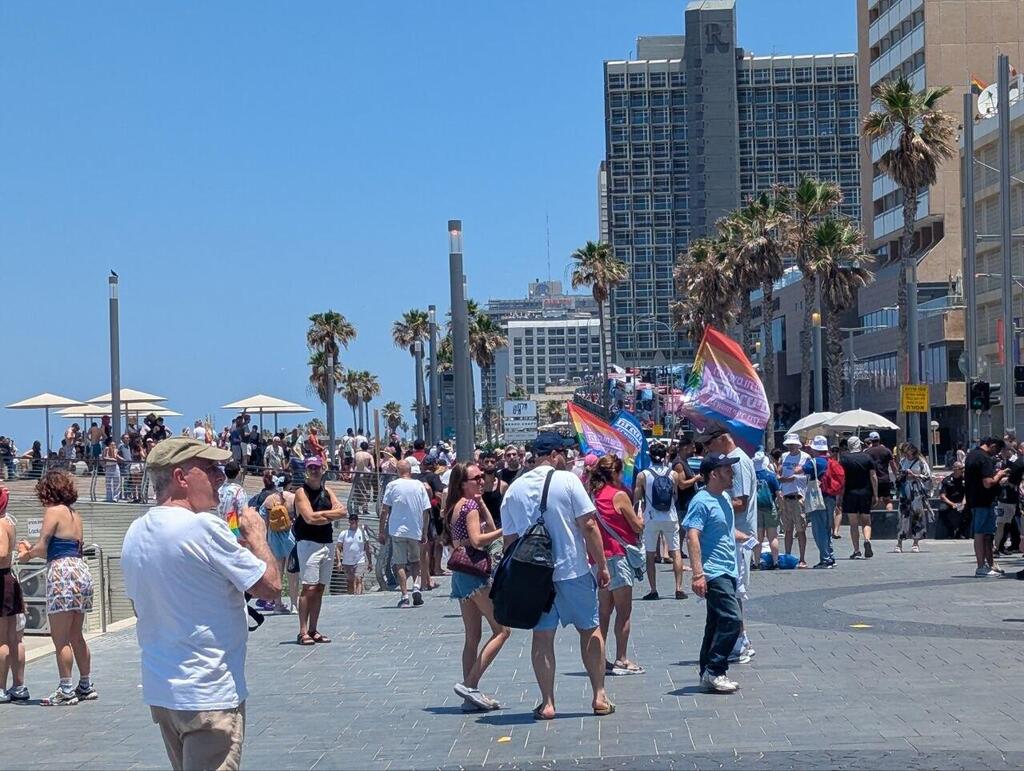
Music, dancing and rainbow flags dominated the atmosphere, turning the coastline into a vibrant celebration of visibility and resilience. Yet beneath the festivities was a reminder that Pride began as a protest movement and remains, at its core, a demand for equal rights and social acceptance.
In many respects, Israel occupies a unique position in the Middle East. It is the only country in the region that recognizes same-sex couples and grants them many of the same legal rights enjoyed by heterosexual couples. Unlike several neighboring states, Israel has no laws that explicitly criminalize or discriminate against LGBTQ+ people.
Still, many participants at the parade made clear that the struggle for equality is far from over. Political messages were visible throughout the event, including T-shirts bearing slogans directed at National Security Minister Itamar Ben-Gvir, one of the most controversial and conservative figures in Israeli politics. For many attendees, Pride was not only a celebration of identity but also a platform for expressing opposition to policies and rhetoric they view as harmful to minority rights.
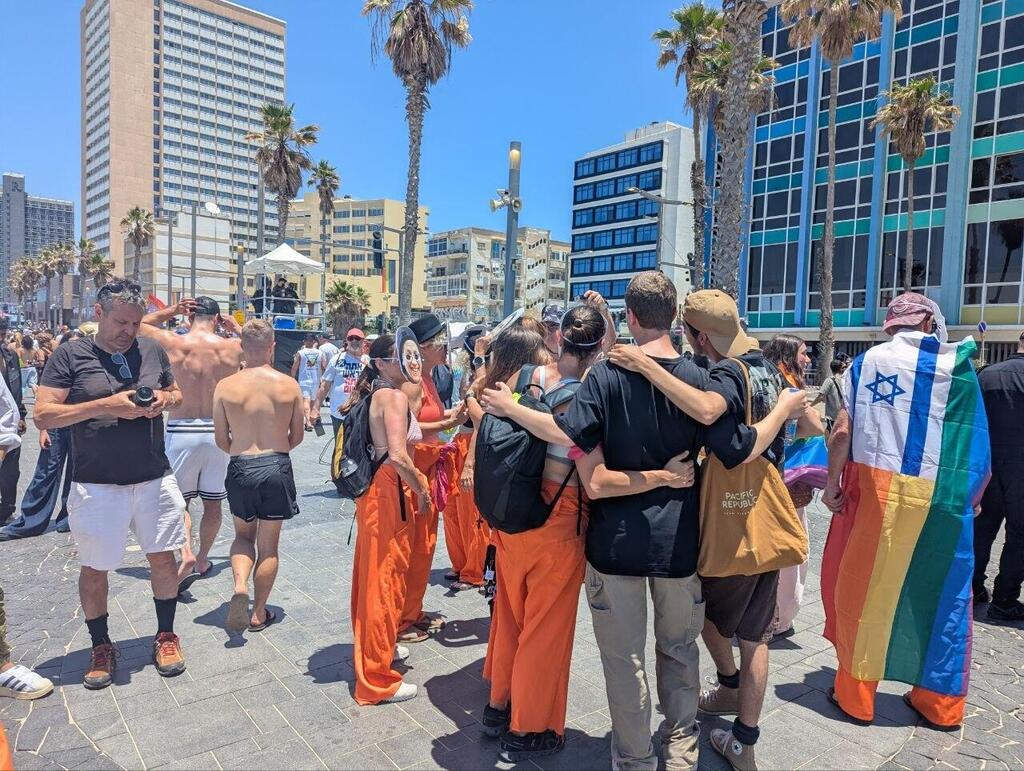
Tel Aviv 2026 Pride Parade
(Photo: Lia Ziskovich-Rahman)
One of the most common misconceptions about Israel concerns same-sex marriage. Critics of Israel often claim that same-sex marriages are not permitted in the country. The reality is more complex. Israel does not provide for civil marriage for any citizens, regardless of sexual orientation. Marriage is administered through religious authorities, meaning that couples who do not wish to marry through a religious institution—or who belong to different faiths—must marry abroad. Israel subsequently recognizes those marriages, including same-sex unions legally performed in other countries.
Adoption is another area where LGBTQ+ families continue to face practical challenges. Israel's adoption system is highly restrictive for all prospective parents due to the relatively small number of children available for adoption. Authorities prioritize placement with extended family members whenever possible. Couples seeking to adopt from abroad must undergo extensive screening and approval procedures within Israel before being permitted to proceed, creating a lengthy and often demanding process.
Social acceptance also varies significantly across the country. Tel Aviv is widely regarded as one of the most LGBTQ+-friendly cities in the Middle East, attracting visitors from around the world with its inclusive atmosphere and visible queer community. Elsewhere, however, same-sex couples and transgender individuals often encounter greater resistance and less acceptance.
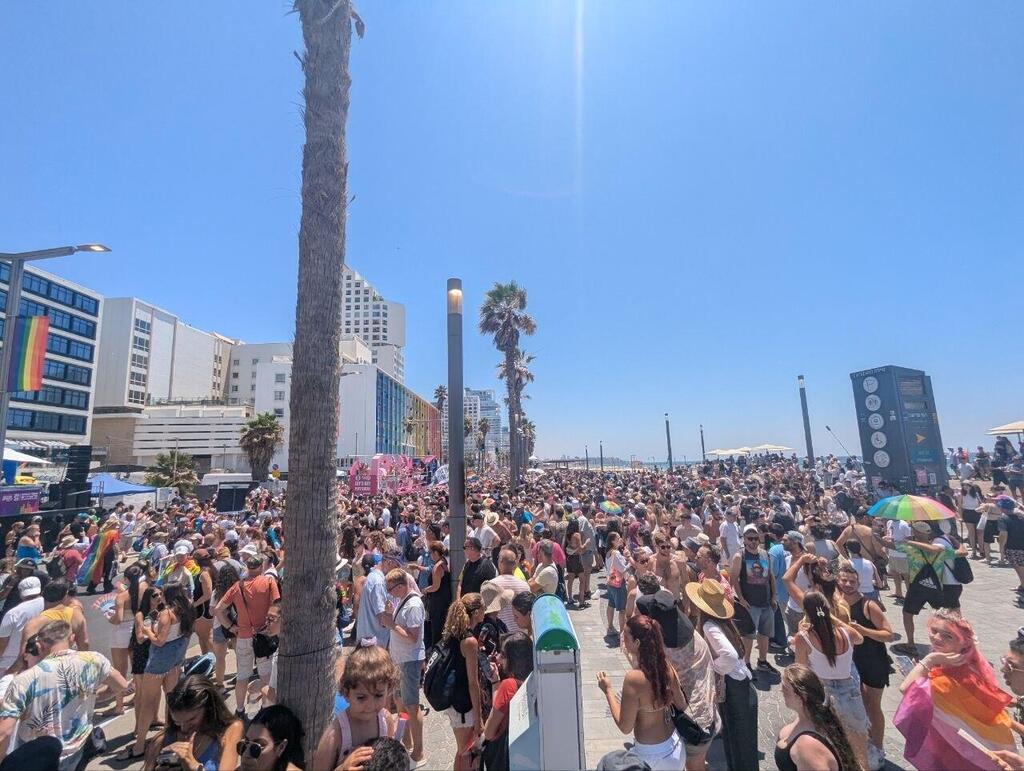
Tel Aviv 2026 Pride Parade
(Photo: Lia Ziskovich-Rahman)
The contrast is particularly evident in Jerusalem. While Tel Aviv's Pride Parade is known for its festive character, Jerusalem's annual march is traditionally more political and security-heavy, reflecting the city's religious sensitivities and history of hostility toward LGBTQ+ events. The difference is striking considering that the journey between Tel Aviv and Jerusalem takes less than an hour by train.
The turnout at this year's parade demonstrated both the progress that has been made and the challenges that remain. Pride in Israel is not solely about LGBTQ+ rights; it is also part of a broader struggle for equal treatment under the law. Demands for marriage equality, fair adoption opportunities and protection from discrimination ultimately concern fundamental civil rights that affect society as a whole. For many participants, supporting LGBTQ+ equality means defending the principle that every person should have the same opportunity to build a family, live openly and enjoy equal rights regardless of who they are or whom they love.