


A stark contrast has emerged between the diplomatic corridors of Washington and the volatile waters of the Persian Gulf. As the US administration reportedly circulates a 15-point ceasefire proposal through intermediaries—a plan heavily weighted toward halting Iran's nuclear development—Tehran has simultaneously moved to institutionalize control over maritime transit. With the Strait of Hormuz effectively restricted for global trade, the Islamic Republic is now demanding upwards of $2 million in transit fees from vessels seeking safe passage.
This dynamic complicates the narrative of a comprehensive peace process, introducing a system of extra-legal maritime control that challenges international norms of free navigation.
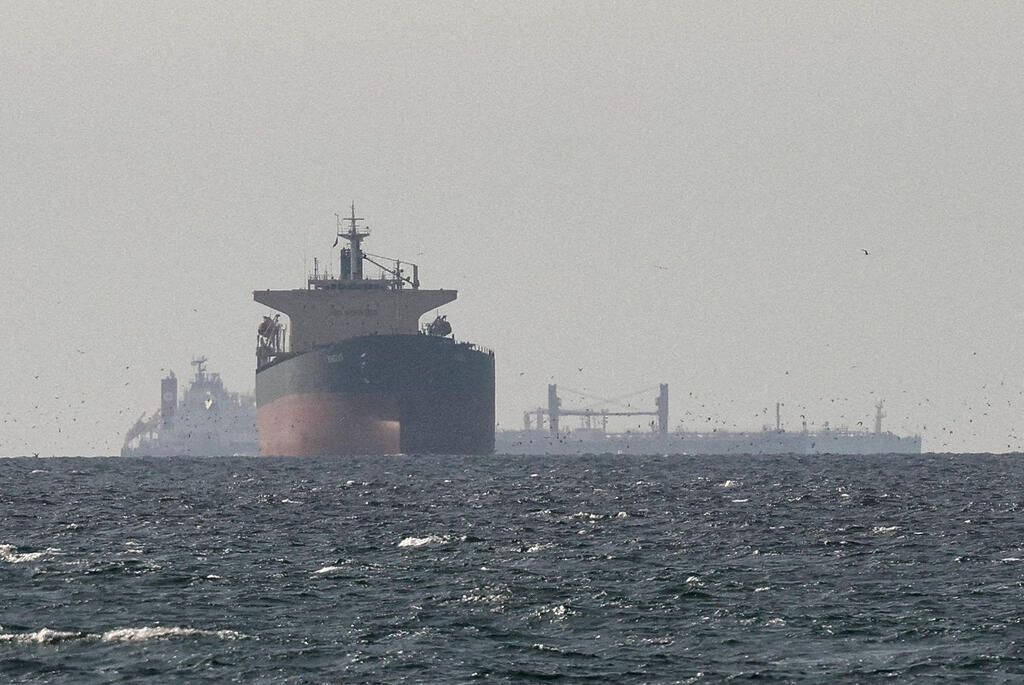
(Photo: REUTERS/Stringer/File)
The current diplomatic strategy emanating from the White House suffers from a deeply siloed approach to Middle Eastern security. The 15-point plan aggressively targets the decommissioning of nuclear facilities at Natanz and Fordow. While monitoring and dismantling Iran’s nuclear capabilities remains a central policy objective, pursuing this goal while overlooking the ongoing proxy control of vital shipping lanes represents a significant policy misalignment.
By focusing almost exclusively on uranium enrichment and offering potential sanctions relief without addressing the chokehold on the Strait of Hormuz, the United States risks inadvertently legitimizing the Islamic Revolutionary Guard Corps (IRGC) as the de facto gatekeeper of Middle Eastern shipping. We are currently witnessing a calculated "selective transit" regime. Chinese and non-Western ships are allowed to pass—often after paying the mandated fees—while Western and allied vessels face continuous blockades. This arrangement hands Tehran disproportionate leverage over 20 percent of the world’s seaborne oil.
Furthermore, this crisis highlights the structural vulnerabilities of relying on the Gulf Cooperation Council (GCC) for maritime security. For decades, Western policymakers have viewed these nations as the primary anchors of regional stability. Yet, as global supply chains are disrupted, these regimes have remained largely paralyzed. Their passive accommodation of these maritime disruptions suggests that relying on the Gulf states to counter Iranian regional influence requires reassessment. If the Persian Gulf can be restricted by a single state actor, the West must prioritize securing alternative, reliable trade corridors along the Mediterranean and the Atlantic flank.
The consequences of this diplomatic disconnect are not confined to policy debates; they carry immediate economic and security implications, particularly in Israel.
This brings us to the "Haifa-Hormuz Connection." For the Israeli public, the diplomatic maneuvering regarding centrifuge counts often feels detached from domestic realities. With Brent crude trading at a sustained $107 a barrel, citizens are facing a compound threat. In the North, they are managing the immediate physical risks of Iranian-backed munitions. At home, they are watching the economy face significant strain under the weight of inflated energy prices and rising shipping costs.
 Amine Ayoub
When the Strait of Hormuz is restricted, the Israeli consumer bears the cost. Any diplomatic arrangement that addresses nuclear facilities but leaves the IRGC’s naval influence intact offers only a partial resolution. If a deal is finalized that allows Iran to continue its maritime restrictions, the Israeli public will indirectly fund the IRGC's regional operations through structural increases in the cost of fuel and imported goods.
Therefore, the unblocking of the Strait of Hormuz and the restoration of free navigation must be elevated to a non-negotiable prerequisite for any strike pause or long-term diplomatic engagement.
Washington must shift its posture from compartmentalized ceasefire talks to executing a robust Freedom of Navigation enforcement strategy. A sustainable resolution requires dismantling the physical infrastructure that enables these maritime disruptions. This means moving beyond economic sanctions and systematically degrading the IRGC's naval command centers, coastal radar installations, and missile batteries in Bandar Abbas—tactical measures that align with the Israel Defense Forces' current operational posture.
A durable regional security architecture cannot be built on fragmented agreements. It requires acknowledging that the economic restriction of the Middle East is a primary security threat. The United States and its allies cannot negotiate a lasting settlement while critical global shipping lanes remain subject to extra-legal transit fees. It is time to reassess the scope of the 15-point plan, restore open access to the Strait of Hormuz, and ensure international trade is no longer leveraged as a geopolitical weapon.
- Amine Ayoub, a fellow at the Middle East Forum, is a policy analyst and writer based in Morocco.