

Not every strike is measured by the number of buildings destroyed or the number of missiles eliminated. Some strikes are intended to hit the very heart of the enemy’s power structure — the sources of money, energy and production that enable it to continue functioning. The strike on the Karoon Petrochemical plant over the past 24 hours is precisely such an operation.
For years, Iran has built an extensive petrochemical industry designed not only to generate revenue but also to provide the regime with resilience against international sanctions. The Mahshahr area, alongside Assaluyeh, has become one of the country’s most important strategic assets. It is a vast industrial hub connected to a network of factories, energy infrastructure, maritime exports and supply chains that affect the entire Iranian economy.
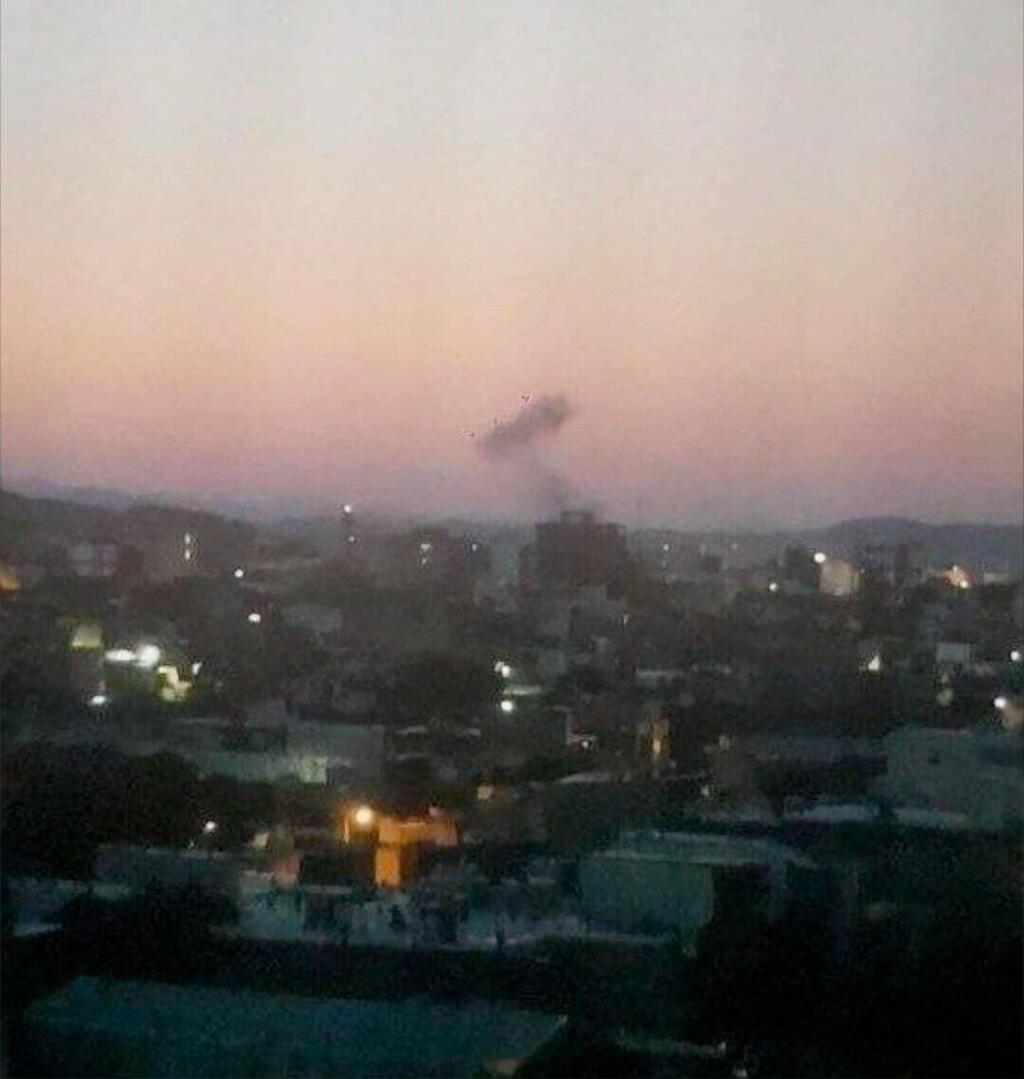
For that reason, the damage to Karoon is not merely a strike on a single factory. It is a blow to a central link in a much larger system. When facilities of this kind are hit, the ability of other factories to receive raw materials, energy services and industrial support is also affected. The damage extends far beyond the boundaries of the targeted site.
The Israeli move reflects a deep strategic understanding: weakening Iran requires more than striking missile launchers. It also requires targeting the sources of power that allow those missiles to be produced, financed and rebuilt. Strikes on industrial and energy centers create long-term pressure that is far more difficult to repair.
However, the strike on Mahshahr is not occurring in isolation. Alongside the Israeli attacks, Iran is facing heavy pressure on its trade routes. The naval blockade imposed by the United States and its allies on Iran’s ports and maritime export routes has dramatically reduced its ability to market oil, gas and petrochemical products to international markets. This means that even when Iran succeeds in maintaining production, its ability to convert that output into revenue is significantly impaired. A strategic combination has emerged in which Israel targets production capacity while the United States targets export and distribution capabilities.
The cumulative impact of these two efforts is far greater than the sum of their parts. Damage to facilities such as Karoon and Mahshahr reduces industrial output, while pressure on trade routes limits the marketing and export options for what remains. For the Iranian regime, this creates an economic trap: less production, less revenue, less foreign currency and less ability to invest in infrastructure rehabilitation and industrial development.
The timing of the strike is particularly significant
Iran is entering the summer months while already contending with a severe water crisis, declining reservoir levels, recurring droughts and aging infrastructure. At the same time, the country’s power grid is struggling to meet demand, and in recent years many regions have experienced prolonged electricity outages. As industry suffers damage and energy infrastructure remains under pressure, the civilian crisis could deepen.
This comes on top of the economic strain facing the Iranian economy. For a country already dealing with inflation, unemployment, currency depreciation and public dissatisfaction, it represents another blow with far-reaching consequences.
Brig. Gen. (res.) Amir Avivi
(Photo: Yariv Katz)
Some view strikes of this kind merely as a response to Iranian missile fire toward Israel. That is too narrow a perspective. In reality, they are part of a broader campaign aimed at steadily increasing the price paid by the Iranian regime. As economic difficulties grow, shortages of basic services worsen and damage to industry expands, the government’s ability to maintain long-term stability is eroded.
No single action brings down a regime. However, history shows that regimes struggle to survive when confronted simultaneously with external pressure, economic crisis, collapsing infrastructure and a frustrated population. The strike in Mahshahr is another step in an effort to place the Iranian regime in precisely such a reality.
Israel is not targeting only Iran’s missiles. It is targeting the system that produces, finances and sustains them. Israel is striking production centers, the United States is exerting heavy pressure on trade routes and ports, and the regime is simultaneously dealing with a water crisis, electricity shortages, soaring inflation and public unrest. Over time, the cumulative pressure on the foundations of the regime’s power may prove more significant than any tactical achievement on the battlefield.
- Brig. Gen. (res.) Amir Avivi is the founder of the Israel Defense and Security Forum (IDSF)