

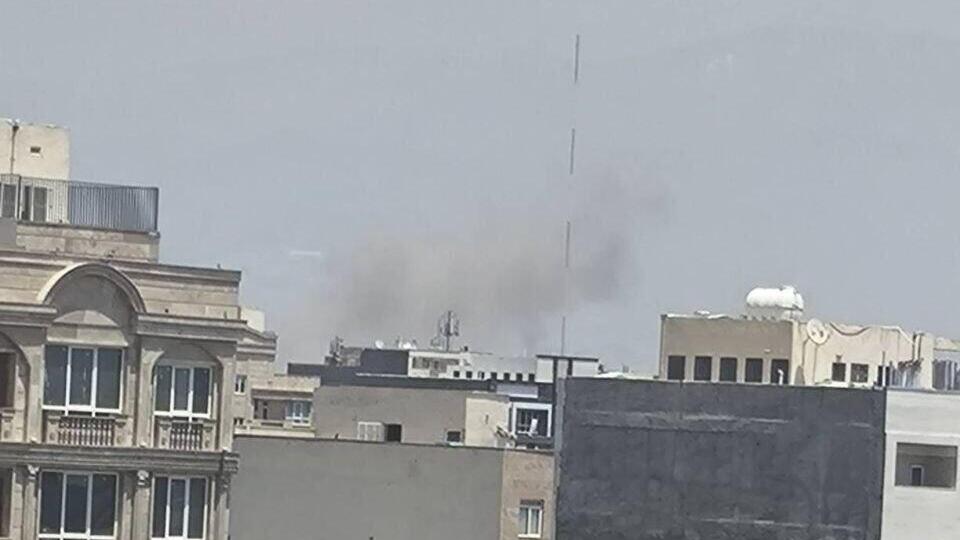
Iranian state media reported explosions in Tehran on Monday, including what local outlets described as a strike on Ashoura University, a prestigious academic institution in the Iranian capital.
An Iranian military source told the Fars news agency that if attacks on energy infrastructure continue, all oil and gas facilities linked to Israel, the United States and their allies, including regional energy sites, would be treated as legitimate targets by Iranian forces.
Iran’s Revolutionary Guards claimed responsibility for an earlier attack on industrial sites in the northern Israeli city of Haifa, saying it was retaliation for what they called “aggression against one of Iran’s petrochemical industries.”
“We warn you: Israel has opened a dangerous game by taking action against civilian targets and hitting oil industries,” the Guards said. “Its scope will include all energy targets in the region, and the consequences for the global economy are the responsibility of the United States.”
IDF officials said Monday the army is prepared for several days of fighting with Iran after a renewed exchange of fire that began with Iranian missile launches at Israel and continued with Israeli airstrikes deep inside Iran.
The escalation began when Iran fired 11 missiles toward Israel, followed by additional launches at central and southern Israel. Israel responded with air force strikes in western and central Iran, and senior military officials have approved written plans for continued attacks, Israeli officials said.
Iranian missile attack on Israel
(Video: Dvir Lahav, Adi)


The military said the overnight strikes began with attacks meant to clear aerial threats and open routes for Israeli warplanes flying to and inside Iran. Targets included radars and air defense components that could impede Israeli operations. Israeli officials said Iran’s air defense capabilities were already weakened by previous rounds of fighting but that remaining systems still had to be targeted.
Israeli officials said the military had remained on high alert since the end of a previous operation and the announcement of a ceasefire in April, preparing for both offensive and defensive scenarios.
An Israeli strike on the Karoon Petrochemical Complex in Mahshahr, a port city in southwestern Iran, was intended to signal that any attempt by Tehran to impose new rules of engagement on Israel would carry a price, officials said.
IDF Chief of Staff Lt. Gen. Eyal Zamir has spoken three times since the start of the campaign with the head of U.S. Central Command, officials said. They said coordination between the militaries has continued, with the United States updated on targets and plans for the next phase coordinated with CENTCOM counterparts.
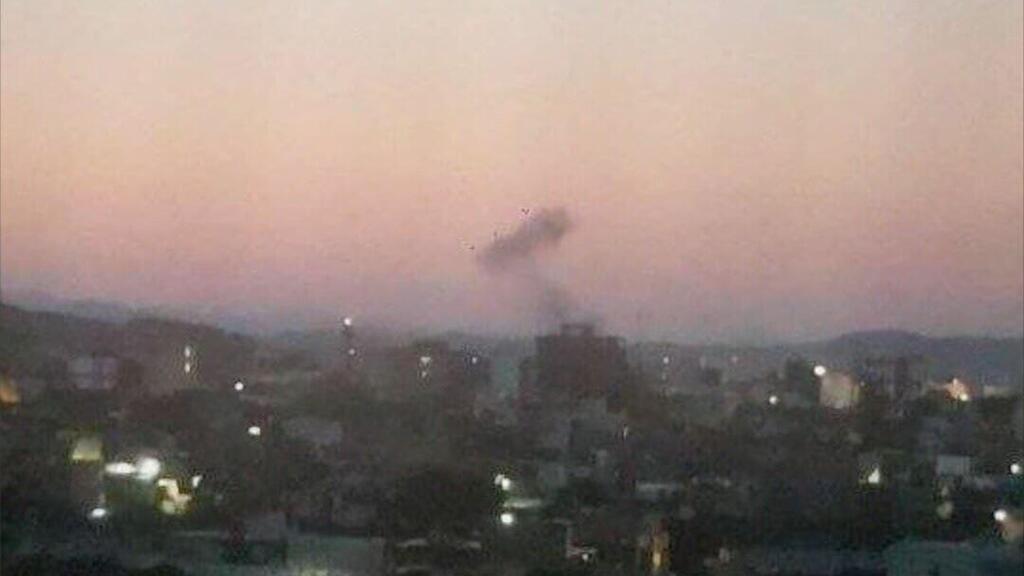
Israel strikes in Iran
Israeli officials described the current escalation as part of continued close cooperation with the United States, saying coordination continued throughout the night and into the morning.
The military also said an Israeli strike Sunday in Dahiyeh, Hezbollah’s stronghold in Beirut’s southern suburbs, was meant to underscore that Israel would not accept limits on its ability to act against threats.
Meanwhile, Israel is calling up several battalions of reservists on other fronts. Officials said the move is intended to free Home Front Command forces to respond to missile impact sites and to reinforce borders, including forces under Division 96, which is continuing operations in southern Lebanon.
Israeli troops there are working to clear an underground Hezbollah network uncovered Sunday, the military said, adding that soldiers were operating to disable what it described as extensive militant infrastructure.
First published: 10:50, 06.08.26