



The gaunt, haunted faces shown in Hamas propaganda videos are no longer anonymous hostages—they are living people, stripped of dignity, starved by design and exploited as tools of psychological warfare. Their suffering demands more than sympathy. It requires urgency. Their condition is a national emergency, and it must now take precedence over any other priority. Before negotiations, before strategy—there must be rescue. If we wait, they may not survive. And even if they do, their bodies may already be too damaged to recover.
Evyatar David in the video released by Hamas


Yitzhak Rabin once said that if lives cannot be saved through military means or diplomacy, then even capitulation may be necessary. In the cases of Rom Braslavski and Evyatar David, and likely others, Hamas spokesman Abu Obeida has proposed a framework that Israel could—and should—consider: opening aid corridors, permitting unrestricted humanitarian convoys, and suspending air activity over Red Cross zones where food and medicine could reach the captives.
This proposal came in response to a Red Cross request. Israel should agree—on one condition: that Red Cross personnel secure verifiable access to the hostages and ensure they are fed, medically treated and no longer subjected to starvation or abuse.
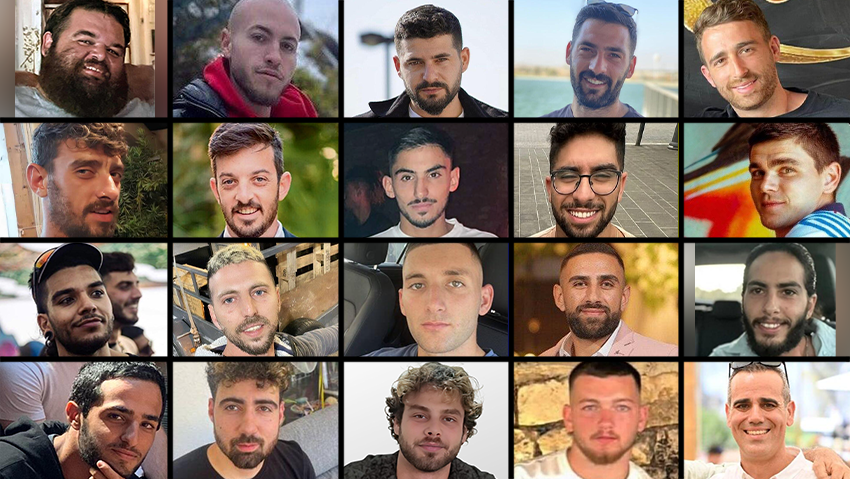
Ideally, this would lead to their release and transfer to hospitals—either in Israel or even in a neutral Arab country. At the very least, Israel, backed by American pressure, must demand that the Red Cross guarantee the end of systematic starvation.
Once their survival is assured, the broader national priorities must shift. The next objective should be a comprehensive agreement—hostage release in exchange for a permanent ceasefire, the removal of Hamas’ offensive capabilities, and the establishment of a new governing body for Gaza. Intelligence sources suggest that Hamas, crippled militarily, may now be open to these terms.
Hamas has time. What Israel needs is clarity. To act wisely, we must shed not only political dogma but also the paralysis of outrage. We must acknowledge three basic truths:
First, Hamas is under immense pressure. Its military assets have been decimated, it has lost control over most of Gaza, and it faces growing anger from its own people. Yet, its top commanders—Izz al-Din Haddad, Raad Saad and others—remain ideologically entrenched, unmoved by civilian suffering or international condemnation.
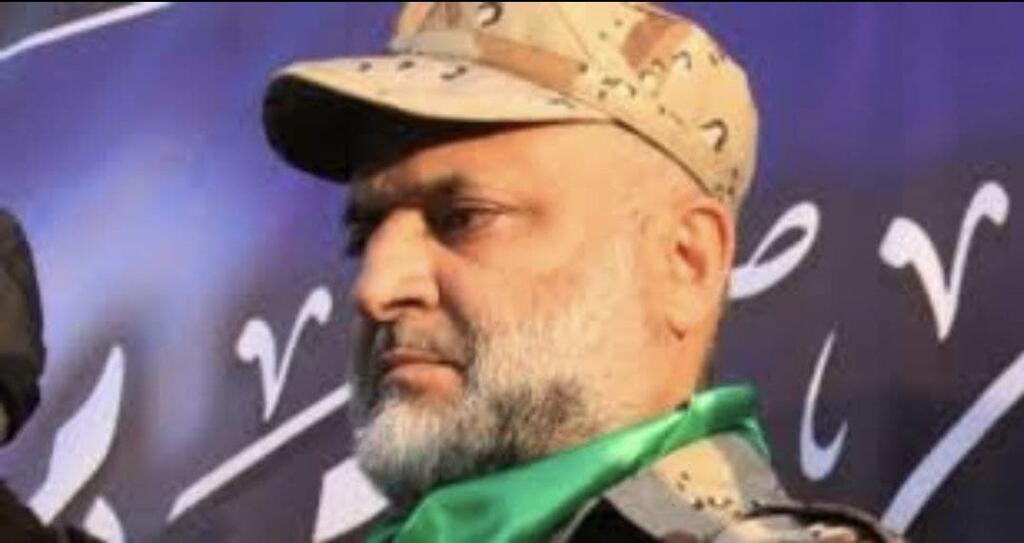
Raad Saad, Hamas' head of military operations
Second, what seems like Hamas’ stubborn refusal is in fact paralysis caused by internal fractures—between its military and political wings, and even within the political leadership itself. The result is strategic deadlock.
Get the Ynetnews app on your smartphone: Google Play: https://bit.ly/4eJ37pE | Apple App Store: https://bit.ly/3ZL7iNv
Third, Hamas believes the clock favors them. Their starvation campaign has resonated globally. Their videos have eroded Israel’s international legitimacy. Threats of arms embargoes are rising. Boycotts—academic, commercial, diplomatic—are gaining traction. And within Israel, fatigue is mounting. Reservists grow weary not only from battle, but from waning faith in the war’s direction.
Hamas is counting on all of this to push Israel into ending the war without forcing its full collapse—allowing the group to survive and one day rearm.
So what now?
A full-scale offensive across Gaza won’t guarantee hostage release. It may, in fact, risk their lives. At the same time, IDF cannot indefinitely maintain vast forces to prevent Hamas from reclaiming cleared zones. This war cannot go on forever—not in blood, not in resources, not in legitimacy.
To reach a meaningful deal, coordinated pressure—military and diplomatic—is essential. But now, diplomacy must take the lead. Once the starved hostages are safe, Israel must launch a high-level diplomatic initiative with U.S. backing. The Trump administration must push Qatar, Turkey and European nations to pressure Hamas—politically, financially and morally.
Qatar and Turkey can condition Gaza’s future reconstruction aid on hostage release. European governments can shut down Hamas-linked charities and declare that any path toward Palestinian statehood will remain blocked so long as hostages remain in captivity.
If Europe aligns with this effort—and there are indications it might—it would shake Hamas’ calculus.
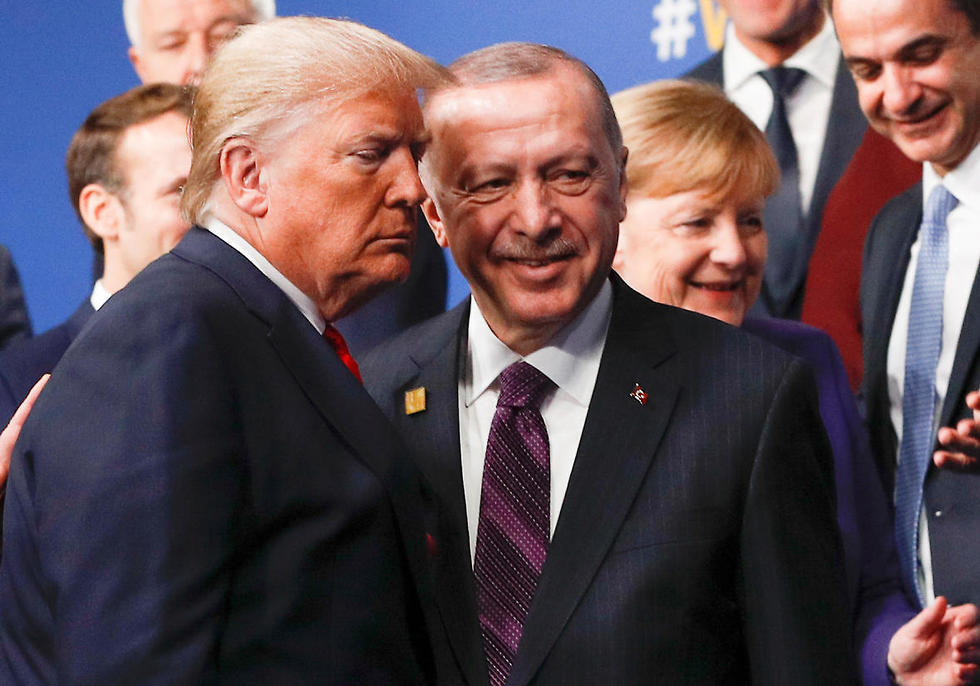
Trump and Erdogan
(Photo: Reuters)
On the military front, IDF can continue pinpoint strikes based on precise intelligence, especially in underground Hamas strongholds. These must be executed with utmost care, mindful of the hostages’ presence—while still signaling that time is not infinite.
Meanwhile, Israeli society - the media and the families of hostages - must resist the urge to flood public discourse with pressure. These outcries, while understandable, embolden Hamas and risk backfiring. Silence, in this case, can serve strategy.
The third priority should be restoring Israel’s global legitimacy. That will be far more achievable if hostages are returned alive and the war is brought to a responsible close. The reckoning with political leadership will come. But now, there is only one task: Save them. Before it’s too late.