



Tensions between Prime Minister Benjamin Netanyahu and IDF Chief of Staff Eyal Zamir have reached a boiling point following briefings from the Prime Minister’s Office Monday night signaling a push toward a full occupation of the Gaza Strip. According to the briefings, Netanyahu declared, “We are moving toward a full occupation. If the chief of staff does not agree, he should resign.”
Zamir, backed by most senior military officers, opposes such a move out of concern that it would endanger the lives of the remaining hostages held by Hamas. Military sources warn that the operation risks total loss of all hostages, living and deceased. Israel has so far avoided ordering the army to operate deep inside Gaza City and central Gaza's refugee camps for this reason.
Gallery
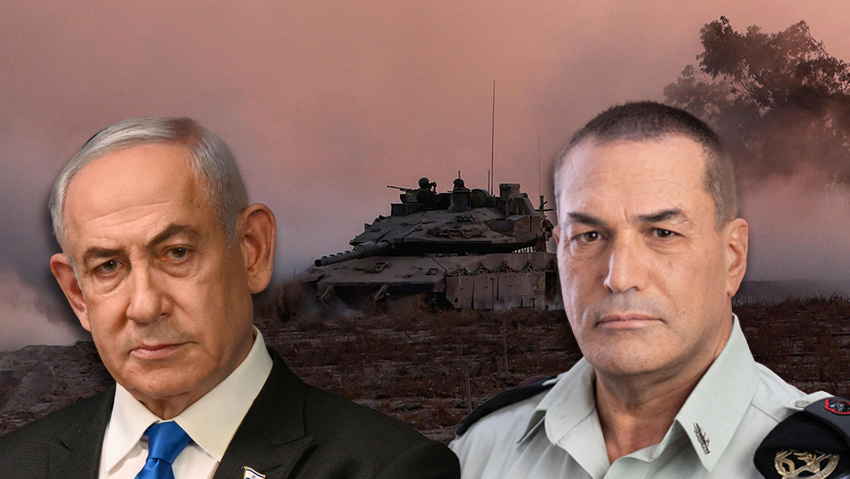
Prime Minister Benjamin Netanyahu and IDF Chief of Staff Eyal Zamir
(Photo: IDF, Haim Zach/Flash90, REUTERS / Amir Cohen)
A high-level security meeting is expected on Wednesday with Netanyahu, Zamir, Defense Minister Israel Katz, Strategic Affairs Minister Ron Dermer and IDF Operations Head Maj. Gen. Itzik Cohen. The military leadership plans to present ongoing operational strategies focused on encircling the central camps and wearing down Hamas in Gaza City through raids, airstrikes and commando operations.
Netanyahu is expected to demand alternative plans involving full occupation of the Gaza Strip, including timelines and an extended “cleansing” phase resembling Israel’s prolonged counterterrorism operations in the West Bank, which remain ongoing. This course would transfer control of Gaza to Israel and impose military governance. Officials say Netanyahu may be signaling this option, but has yet to fully explain it publicly.
The risks of such an operation are considerable. Besides threatening hostage lives and incurring potentially heavy Israeli casualties, it would create a severe logistical challenge in relocating nearly one million civilians from Gaza City. Much of southern Gaza has already been devastated in recent operations, leaving no clear refuge for displaced residents. Constructing a “humanitarian city” on the ruins of Rafah or Khan Younis would require months of work, international funding and crucially political legitimacy—currently lacking amid the ongoing war.
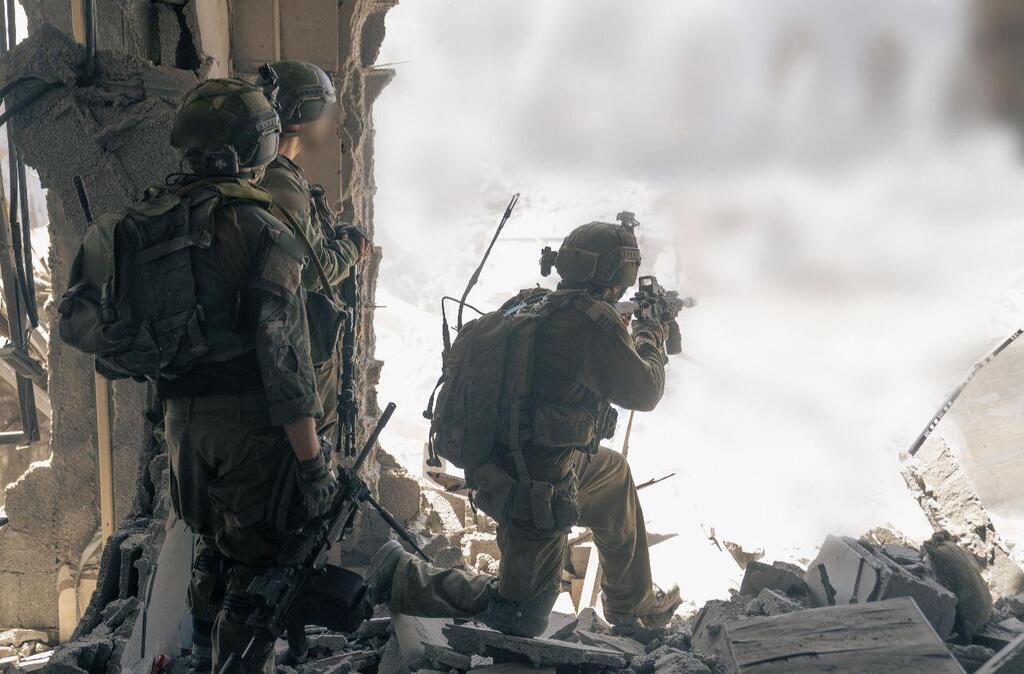
IDF forces in Gaza
(Photo: IDF)
The ground reality has shifted as Hamas has succeeded in mobilizing international opinion against Israel, leading to extended humanitarian ceasefires and record aid deliveries, including food airdrops. Under these conditions, military officials question how maneuvering through Gaza’s urban terrain remains feasible. Southern Command, led by Maj. Gen. Yaniv Asor, is reportedly struggling to complete the final stages of the current offensive.
Israel faces its most complex strategic dilemma since the start of the war. The stated objectives, hostage recovery and Hamas’ defeat, are at odds with the evolving battlefield realities. Netanyahu, along with ministers Bezalel Smotrich and Itamar Ben-Gvir, advocates expanding combat operations into Gaza City and refugee camps, even at the risk of endangering hostages or effectively forfeiting their return. Zamir demands strategic clarity and supports a siege-and-attrition approach combined with selective raids where recovery of hostages is unlikely alongside efforts to negotiate hostage releases.
Get the Ynetnews app on your smartphone: Google Play: https://bit.ly/4eJ37pE | Apple App Store: https://bit.ly/3ZL7iNv
Despite aggressive rhetoric, Netanyahu has yet to order the IDF to prepare fully for occupation and has postponed decisive Cabinet debates on the issue multiple times. If committed, he would have called up additional reservists or redeployed regular brigades to Gaza by now. Instead, he appears intent on exhausting negotiation channels currently stalled. “Hamas is in no hurry; it feels empowered by international pressure and humanitarian aid and sees no reason to compromise on hostages now,” a senior security official said.
 Yossi Yehoshua
Israel struggles to define a clear path forward. It is neither fully engaged militarily nor effectively negotiating, failing to secure the hostages’ release. Meanwhile, Qatar, the principal mediator, maintains a dual role—facilitating talks but delaying progress. Qatar preserves Hamas as part of its regional strategy, leveraging its unique relations with the United States to advance its interests.
Israeli officials believe Qatar has real leverage over Hamas but so far has chosen not to use it. Another proposed solution is the evacuation of civilians from Gaza, which has yet to begin. However, officials say even a limited evacuation effort could gain momentum if initiated.