

In recent weeks, I have taken on a side job of my own making, asking Israelis who live abroad and whose views align with preserving Israel as a democratic, liberal, principled, egalitarian and educated country whether they plan to board a plane this coming October and flock to the polls to vote in what may be the most consequential election Israel has seen in decades.
But like almost everything in a divided and wounded Israel, three years into the most difficult war in our history, while the country’s leaders continue to batter democracy and the judicial system, trample the values of equal burden-sharing and mutual responsibility, raid the state budget and tear apart the fabric of Israeli society, this issue too has become a muddy battleground, drawing angry reactions from all sides.
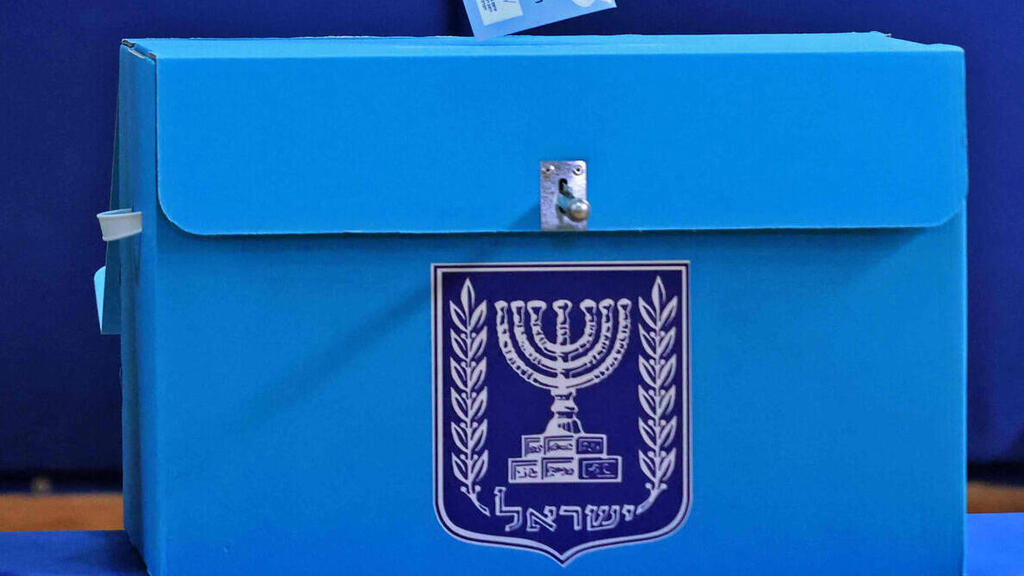
Polling station
(Photo: AFP)
There are, for example, those who left decades ago and, until October 7, had grown accustomed to the reassuring assumption that Israel was a strong and stable country doing perfectly well without them and would always remain a place of refuge they could return to whenever necessary.
Their responses range from, “You’re right, people here still haven’t woken up. I don’t think anyone has even bought a ticket yet,” as one Israeli living in a large Jewish community in a European city where more mosques seem to be appearing than churches replied with troubling nonchalance, to another expatriate who said, “I’ll see what’s happening in the community here and how we’re organizing to get there.”
Then there are those who left only in recent years, whose heartbreak is still raw and who remain connected to Israel not only by the umbilical cord of Israeli identity but also through their residency and voter registration.
Yet as they book flights well in advance and battle the Interior Ministry’s online systems, they find themselves under a barrage of hostile responses asking: “What right do Israelis who left when things got difficult have to come back, vote and determine our future? What do they even know about life here?”
To all those tut-tutting critics, it should be said that many of those who left did so for precisely that reason: They know a great deal about life here and could no longer continue living with what they knew.
And for that very reason, they will come and vote with every right to do so, because they remain an inseparable part of this home. And as everyone knows, you only have one home, even if you have been on relocation abroad for decades or are new to it, whether for economic reasons or simply out of existential despair at the moral and ethical abyss into which Israel has fallen under a government of political deals and draft evasion, a government that must be removed from the center of our lives.
If ultra-Orthodox Jews from Brooklyn who are as disconnected from daily life in Israel as a fish is from dry land can be loaded onto planes for decades and sent to the polls on Election Day with the name of the “correct” party practically stamped onto their ballots, then Israelis who lived here for most of their lives, served in the military, lost friends and relatives in wars, are now fighting the rising antisemitism surrounding them and defending Israel in environments where they are marked first and foremost as Israelis and Jews, and who see the existence of the state as inseparable from their own existence, are entitled to take part in deciding what this home will look like in the future.
More than that, they are not merely entitled to do so. They must make every effort to come and vote, and help all of us steer Israel back onto the right path and ensure that our country continues to exist.
Otherwise, even in the calm and quiet homes they have built far away, overlooking a lake or a mountain, they too will continue to live with an enormous hole in their hearts.