


Special benefits granted to senior citizens under urban renewal projects may be passed on to their children, according to a new legal opinion from Deputy Attorney General for Civil Law Carmit Yulis. The opinion, obtained by Mamon and ynet, is now being made public.
The opinion was issued in light of recurring cases in which elderly homeowners signed urban renewal agreements but passed away before the projects were completed and the promised benefits were delivered by developers. Yulis addresses the rights of heirs to receive the additional benefits the deceased were entitled to, both under Israel’s Urban Renewal Law and the specific agreement signed with the developer.
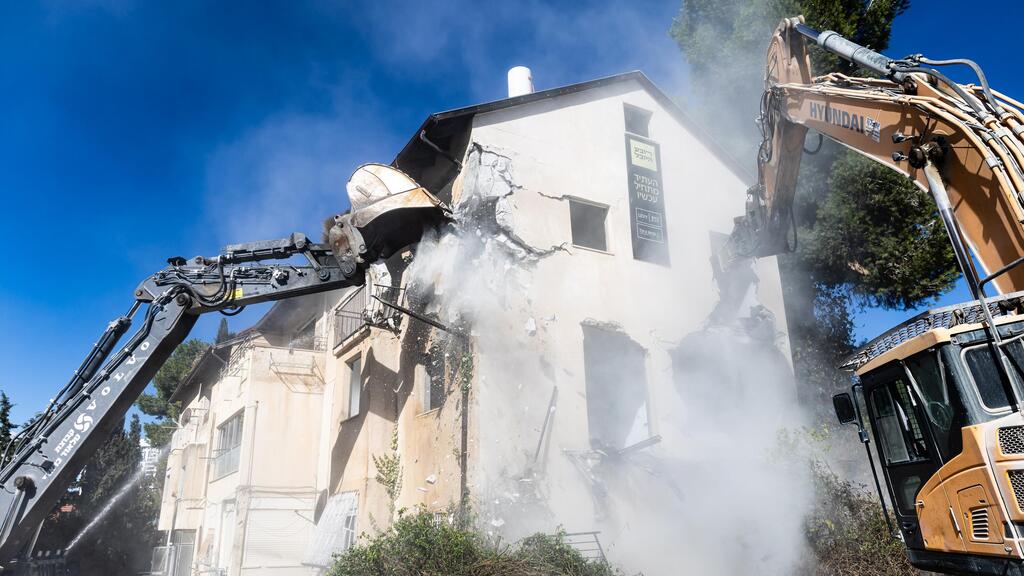
As part of urban renewal agreements, the developer is required to offer elderly homeowners in the building special benefits not extended to other residents. If, at the time the agreement is signed, the homeowner is 70 or older and has lived in the apartment for at least two years, the developer must offer a renovated apartment in the new building and one additional option from the following three alternatives:
1. Moving to a nursing home until the date of evacuation, including additional payments up to the value of the replacement apartment; purchasing an alternative apartment of similar value to be delivered by the date of evacuation; or receiving a cash sum equal to the value of the replacement apartment, to be used to purchase another apartment, no later than the date of evacuation.
2. Two apartments whose combined value is equivalent to that of the replacement apartment.
3. A smaller apartment than the one originally promised, along with additional compensation to match the value of the full replacement unit.
These benefits were set in law in recognition of the impact such processes can have on the elderly. In many cases, aging is accompanied by difficulties adjusting to new places or coping with the stress and disruption involved, which makes seniors hesitant to participate in such agreements. At times, they also face pressure from neighbors who have already signed on.
In urban revivel projects, both developers and residents are considered partners, but the power dynamic between them is not equal. Developers possess the knowledge and leverage, while homeowners, especially the elderly, the terminally ill, or people with disabilities, are often unaware of their rights. In some cases, residents face pressure from neighbors who have already signed the agreement.
Just a year ago, Mamon revealed for the first time that the Justice Ministry had begun taking steps to combat what it called the “success-at-any-cost” tactic often used by developers in their dealings with elderly residents in urban renewal projects. The ministry’s aim was to protect seniors and ensure they receive the special benefits to which they are entitled once a project begins.

Deputy Attorney General for civil law Carmit Yulis
(Photo: Justice Ministry)
According to Yulis’s legal opinion from September 2024, developers are bound by a duty of disclosure and good faith when entering preliminary negotiations with elderly homeowners in urban renewal projects. Failure to meet that standard constitutes a legal violation. The implication: the deal may be voided, and the developer could face lawsuits for bad faith or deceit.
In her latest opinion, Yulis writes that in addition to seniors’ reluctance to join such deals, there is also the widespread awareness that many will not live to see the project’s completion, which often takes years. Moreover, concerns over increased costs stemming from the transition are common. This raises a key legal question: if an elderly homeowner passes away before receiving the agreed-upon benefits, do their heirs inherit the developer’s contractual obligation to provide those benefits, or does that obligation lapse with the owner’s death?
Yulis stresses that the agreement between the developer and the elderly homeowner is a binding contract, and each case must be assessed individually. If the agreement explicitly defines the developer’s obligations in the event of the homeowner’s death, those terms will determine whether the benefits are passed on.
The challenge arises in cases where the contract does not address such a scenario. Yulis therefore recommends that all agreements include clear clauses detailing what happens if a homeowner dies before receiving the promised benefits. In cases where the contract is silent or unclear on this issue, she concludes that the elderly homeowner’s right to receive the special benefits is considered an asset of the estate. As such, the developer remains obligated to provide the benefits to the heirs.