


According to the monthly review published Wednesday by the Finance Ministry’s chief economist, 7,395 secondhand and new apartments were purchased in March, including government-subsidized homes, down 8% from March 2025 and up 3% from the previous month.
Excluding government-subsidized sales under discounted housing programs, 6,778 homes were sold on the open market in March, down 6% from March 2025 and up 5% from February.
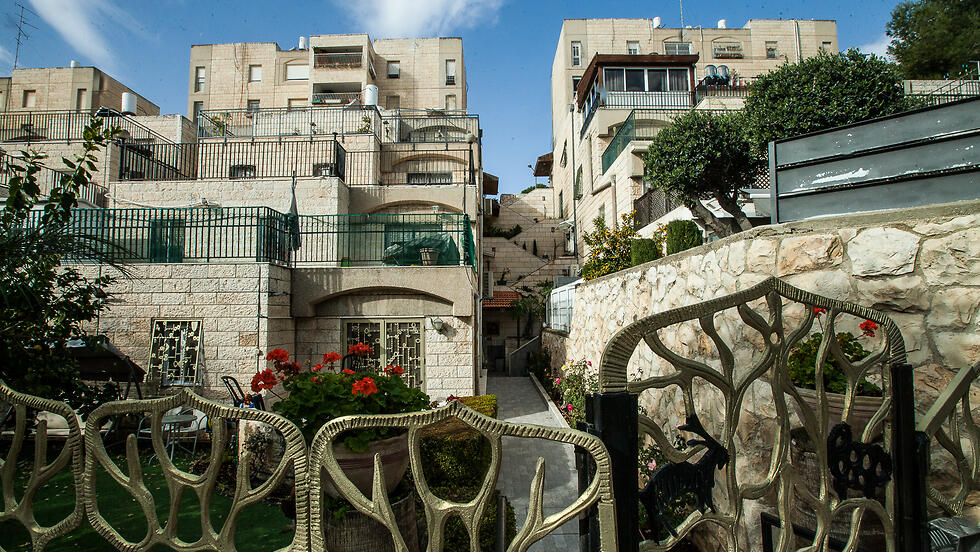
The Finance Ministry said the year-over-year decline was relatively moderate, given the Roaring Lion war that lasted throughout the month, though the level of transactions remains low by historical standards.
Contractors continue to hold a large inventory of unsold apartments. New home sales totaled 2,789 transactions, including subsidized homes, down 11% from last year. Compared with February, when sales were especially low, new home sales rose 11%. Excluding subsidized sales, contractors sold 2,172 homes on the open market in March, an annual decline of 8%.
A geographic breakdown showed that the relatively moderate decline in contractors’ open-market sales was largely affected by the exercise of purchase options in a major Tel Aviv project when the deadline for exercising those options arrived. As a result, the number of new apartments sold in the area jumped 68% compared with March 2025. Sharp declines were recorded in Netanya, Beersheba, Hadera and central Israel.
Decline in purchases of homes 'on paper' in Netanya
The share of new apartments purchased “on paper” stood at 61%, up 2.5 percentage points from the previous month. Netanya stood out with a sharp drop in purchases of homes on paper, alongside a significant increase in the share of homes due for delivery within six months. These findings, together with an analysis of secondhand transactions, point to growing buyer preference for apartments with a safe room, especially in that area.
In March, financing benefits were reported in 25% of contractors’ open-market sales across the five regions examined by the Finance Ministry’s chief economist. That rate was significantly lower — by 25 percentage points — than in March 2025, shortly before Bank of Israel restrictions on such benefits took effect. Compared with February, the rate fell by 3 percentage points. Central Israel was the only region that stood out with an increase in the prevalence of financing benefits.
An analysis of contractors’ actual cash flow from new apartment sales found that it stood at 5.4 billion shekels in March, a real increase of 9% compared with March 2025, despite a 14% decline in potential cash flow.
The Finance Ministry said the increase may be explained, among other things, by payments received for transactions made last year, and possibly earlier, particularly given that many contractor sales over the past two years included financing benefits.
Excluding inputs, contractors’ actual cash flow in March stood at just 115 million shekels, similar to the previous month. In March 2025, that cash flow was negative, at minus 400 million shekels.
Investor purchases in March totaled 1,309 apartments, up 8% from March 2025 and 12% from February. The Finance Ministry said those increases were affected by the exercise of options in the Tel Aviv project and by purchases of rental housing clusters, mainly through REIT funds.
Half of foreign homebuyers were Americans
For the first time, the Finance Ministry’s chief economist published an analysis of foreign residents’ purchases by the country in which their passports were issued. The analysis found that nearly half — 49% — of purchases in this segment in the first quarter of 2026 were made by Americans, totaling 238 apartments. Compared with the first quarter of 2025, American purchases declined both in number and as a share of total foreign-resident purchases.
By contrast, purchases by French and British buyers increased during the same period. The data also showed that American buyers’ purchases were geographically concentrated, while French buyers’ purchases were more dispersed.
A breakdown of American purchases in the first quarter found that more than half, 52.5%, were concentrated in Jerusalem itself, totaling 125 apartments. That was a 5% decline from the same period last year. Beit Shemesh recorded the sharpest drop in American purchases this year.
By contrast, American purchases in Netanya rose from 12 apartments in the first quarter of last year to 27 this year. Tel Aviv ranked only fifth among American purchases in Israel, with 10 apartments bought from January through March — fewer than the 11 apartments Americans bought in Kiryat Gat.
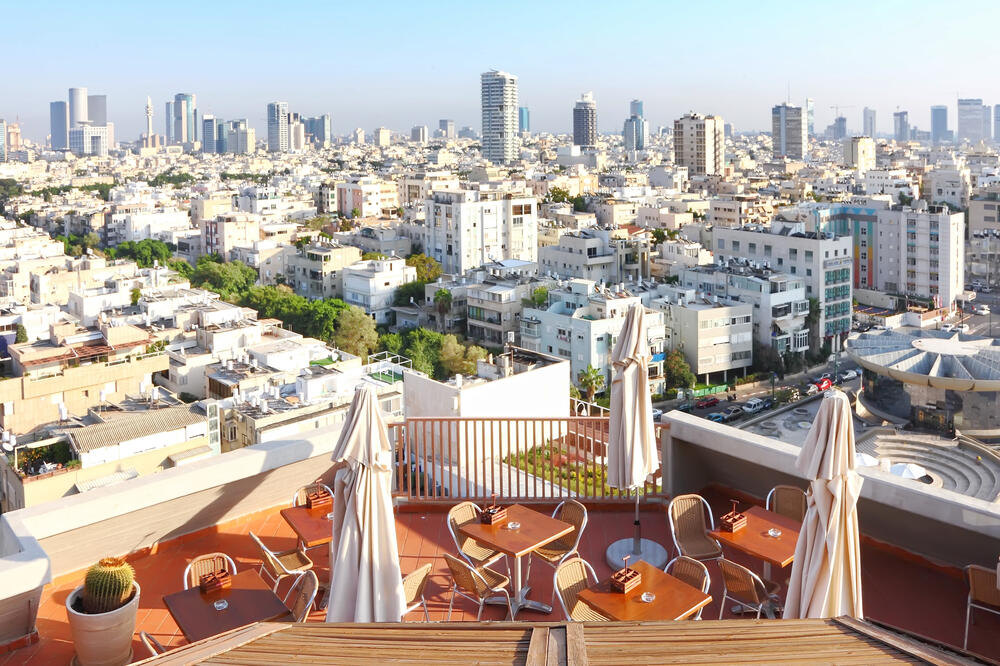
Tel Aviv: Ranked only fifth among Americans
(Photo: Shutterstock)
Foreign-resident purchases in Jerusalem were concentrated in high price ranges, with the median price in the first quarter at 5.1 million shekels. About 60% of the apartments bought by Americans in Jerusalem in the first quarter were new homes, with a median price of 5.95 million shekels. In the secondhand segment, the median price was also relatively high, at 4.2 million shekels. In Beit Shemesh, by contrast, the price levels of apartments bought by Americans suggest they are operating in market segments similar to those favored by Israeli buyers in the city.
An analysis of foreign residents with French passports found that their purchases in Israel were less geographically concentrated than those of American passport holders. Netanya led French purchases in the first quarter, with 35 apartments, followed by Jerusalem and Tel Aviv, with 28 apartments each.
Compared with the same quarter last year, French purchases rose significantly in Netanya. However, the numbers remain far lower than those recorded in the city in the past. In Ashdod, another city historically associated with significant French purchases, only five apartments were bought in the first quarter, as in the same quarter last year.
An analysis of prices for apartments bought by French buyers showed that, unlike Americans, the French focused on more “popular” or moderately priced apartments, with an average price of only 2.8 million shekels. In Tel Aviv, the median price of apartments bought by French buyers this year was 5 million shekels, also significantly lower than the prices paid by Americans in the city.
Surge in purchases of homes with safe rooms, including secondhand homes
Secondhand home sales totaled 4,606 units in March, down 6% from March 2025 and essentially unchanged from February. An analysis of the prevalence of safe rooms in secondhand transactions, based on reports to the Tax Authority, found a sharp nationwide increase in March, reaching 65% of all secondhand apartments sold — the highest level at least since early 2024. The increase in transactions involving homes with safe rooms was especially notable in the Netanya and Haifa areas.
Investor sales in March totaled just 890 apartments, a sharp 42% decline from March 2025. The drop was especially pronounced in Tel Aviv and Haifa, cities characterized by a low share of apartments with safe rooms, a figure that likely points to the difficulty of selling homes without them.
First-home purchases on the open market totaled 4,071 apartments in March, including subsidized homes, down 2% from March 2025 and up 5% from February. Excluding government-subsidized purchases, this segment totaled 3,454 apartments, up 2% from March 2025 and 9% from February.
Purchases by move-up buyers totaled 2,015 apartments, a sharp 23% decline from March 2025, following a 12% drop the previous month. Compared with February, purchases fell 6%. A geographic breakdown found that the sharp decline in this segment covered almost all regions, with particularly steep drops in Haifa and Netanya.