


Abou Family REIT won a tender from the Israel Land Authority to acquire 40 apartments damaged by an Iranian missile, located on the lower floors of the Da Vinci Tower complex in Tel Aviv. The company is now beginning to market them as permanent rentals, in line with its obligation under the tender.
The apartments, which would normally be worth about 6 million shekels (≈ $1.62 million USD) each, were purchased at a substantial discount from the state because they were sold as is following the strike after a previous tender attempt failed. After renovation, the cost per apartment reached about 2 million shekels (≈ $540,000). The units are now being offered for rent at 13,000 to 16,000 shekels ($3,500–$4,300 per month).
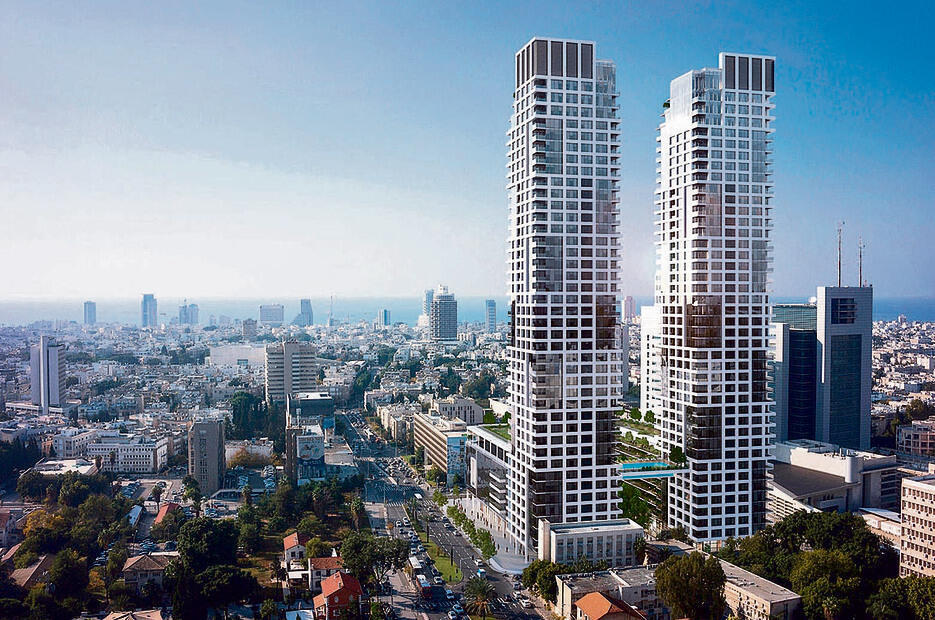
“With nearly a 60% discount, the tender for 40 apartments in the Da Vinci Towers has been completed,” the company said.
“We are marketing these apartments for permanent rent in the Leonardo Da Vinci project in Tel Aviv to all populations for whom this type of housing is suitable, including career military personnel, students and upgraders who want to continue living in central Tel Aviv but in a new apartment with a safe room and all the project’s facilities,” said company CEO Haya Kind. “We entered the Israel Land Authority tender because we understood there was an opportunity in the pricing.”
The company acquired the apartments for 61.5 million shekels (≈ $16.6 million), or 1.54 million shekels (≈ $416,000) per unit before VAT, about 35% below the government valuation. Before the war, similar apartments in the project sold for about 6 million shekels. However, the units required about 15 million shekels (≈ $4.05 million) in renovations, bringing the total cost per apartment to roughly 2 million shekels. The average apartment size is 88 square meters, or about four rooms.
In recent days, the company began marketing 20 apartments for permanent rent in the complex near the Kirya military headquarters, which was struck during previous missile fire in the 2025 Operation Rising Lion against Iran. In the southern tower, where units are now being marketed, blast damage has already been repaired. In the northern tower, which also includes 20 rental units, there was a direct hit that caused extensive destruction. A tender to select a contractor has already been launched and work is expected to be completed in about 36 months, according to Kind.
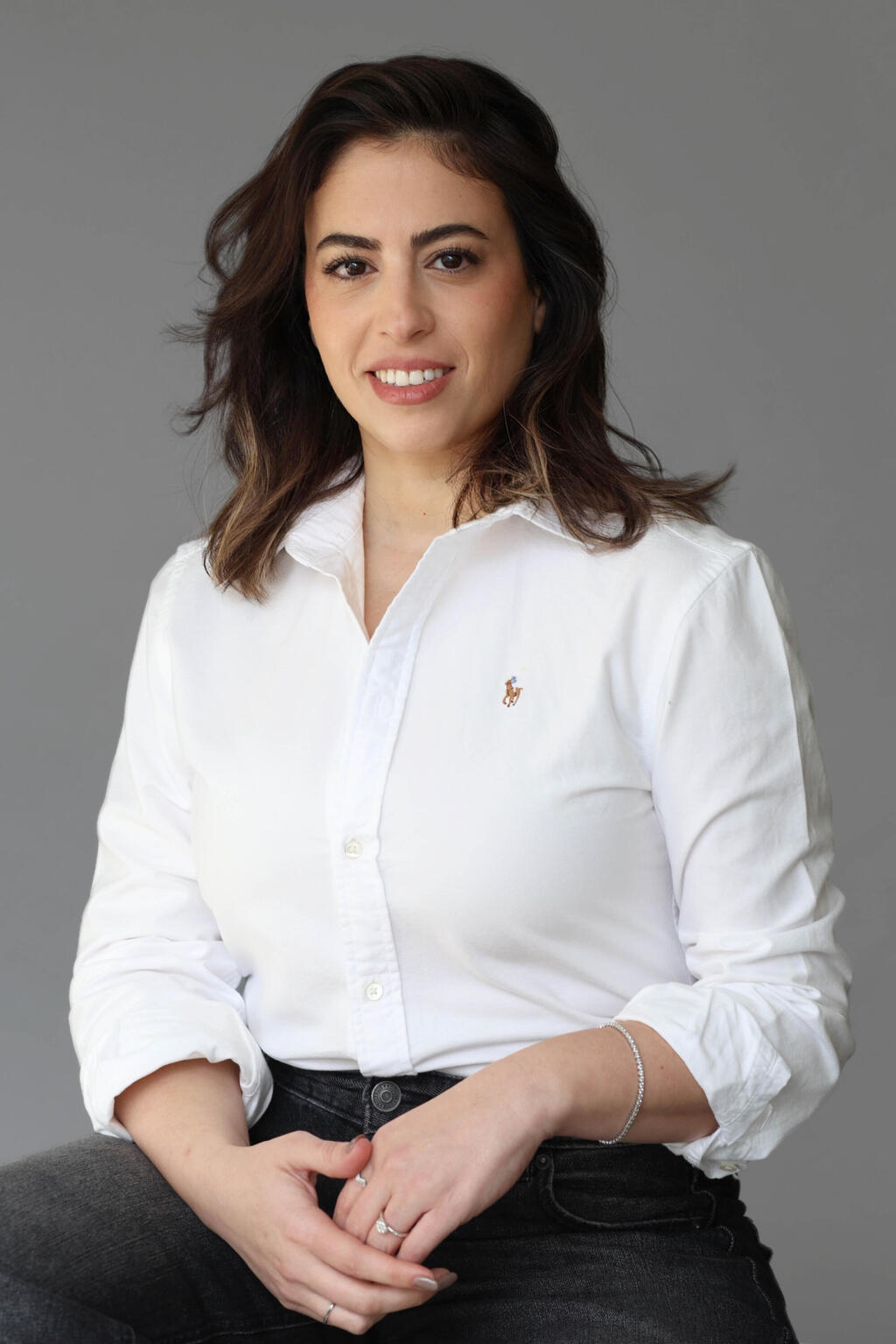
Haya Kind
(Photo: Shiran Kamer)
“In the southern tower prices start at 13,000 shekels per month and can reach 16,000 shekels per month depending on the floor and size,” she said. “Several students have come to rent an apartment together and two career soldiers found the proximity to their base suitable. We upgraded the apartments, some are furnished. This is long-term housing, five years plus five years with an option to exit once a year. So there is stability and security in the lease, but also flexibility to leave the contract.”
Kind explained the pricing model: “We operate under the model of the government-backed company Dira LeHashkir. There is a fixed annual rent increase of up to 3% linked to the index. When there is managed and regulated rental housing you cannot do whatever you want. Even if rents in Tel Aviv jump 20% in two years I cannot change the terms for my tenant. It creates a different rental market culture, not the situation where a landlord can raise rent by 2,000 shekels in an unregulated market. It provides peace of mind and also professional maintenance support if there is a problem in the apartment, rather than placing everything on the tenant as in the private market.”
Abou Family REIT is a public company focused on acquiring apartments for long-term rental and purchasing land to develop long-term rental housing projects. The company’s portfolio, in which about 306 million shekels in equity has been invested, includes 1,192 housing units nationwide and another 108 units in advanced approval stages. Of these, 413 are income-generating units and the rest are in various stages of construction and planning. The portfolio includes 13 residential rental complexes in Haifa, Rehovot, Beit Shemesh, Eilat, Tel Aviv and Ashdod.
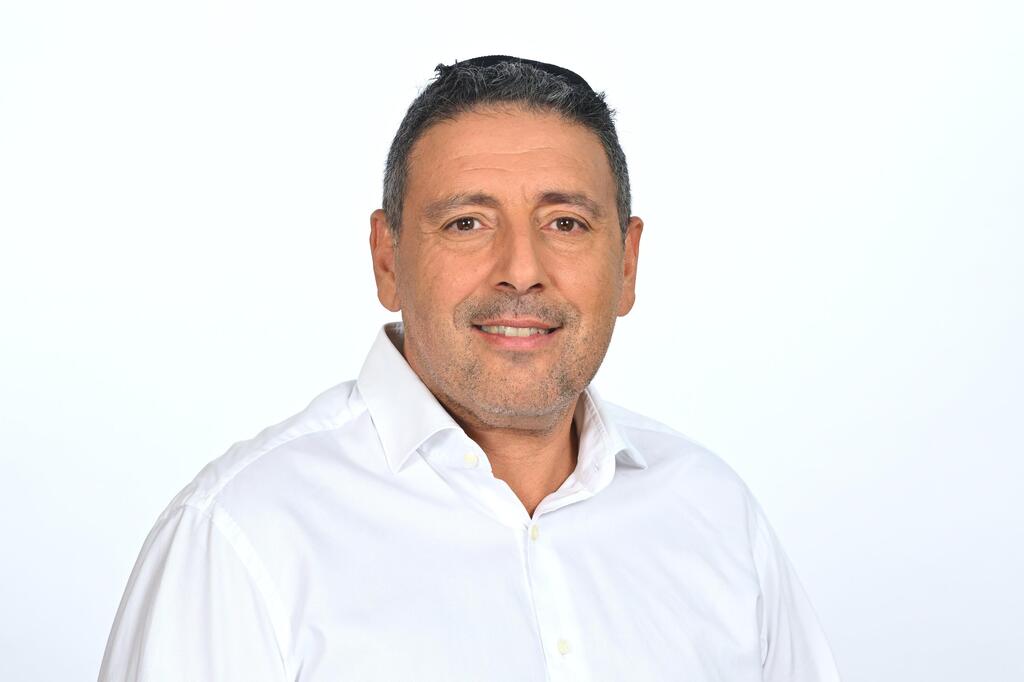
Tzachi Abou
(Photo: Israel Hadari)
“In Israel people are used to being tied to four walls and the perception is that owning an apartment provides security,” Kind said. “But in the past two years we have seen people change their lifestyle habits, especially after October 7 and also because high prices make it difficult to raise equity to buy a property. More Israelis are turning to other investment channels and at the same time the rental model has gained momentum, demand has expanded and the conversation is much more open. The rental market here is still far from what exists in other countries but we are on the way.”
On the company’s business model, she said: “We make sure the return for investors and our cash flow is sufficiently high, around 5%, especially when interest rates are still high. When you talk about housing in Tel Aviv the yield is usually lower because the cost per square meter is very high regardless of rent levels. But in the Israel Land Authority tender for the 40 apartments in the Leonardo Da Vinci project we saw a once-in-a-generation opportunity because the damage allowed us to acquire the apartments at a significantly reduced price.”