

It’s probably the question I get asked more than any other these days from buyers who are on the fence: Is now the right time to buy property in Israel?
What if there’s another war with Iran? What if property prices continue to fall? What if the political deadlock following the elections changes everything? What if the shekel gets even stronger? Maybe we should just wait another six months or another year and see what happens.
But I’ve noticed something in my conversations with buyers over the last little while. Sometimes, when people ask me whether now is the right time to buy, I get the feeling they’re not actually asking me about real estate.
They’re asking me whether everything is going to be OK. Whether another war is coming. Whether the economy will hold up. Whether the political situation will stabilize. Whether Israel will be in a better place six months or a year from now.
Interestingly, I sometimes find myself asking whether they’re talking about Israel or their own countries of origin.
I wish I had those answers. I live here too. I have a family, a business, investments and a future I’m building in this country, along with a deep desire to contribute wherever I can to make this place even better. What I can do is share how I look at the situation, both as someone who works in this market every day and as a Jew who chose to build his life here.
What exactly are you waiting for?
I want to make an important distinction between waiting with a strategy and waiting because you’re afraid to make a decision.
If you’re waiting because you need to accumulate more equity, because the numbers don’t work, because you haven’t figured out where in Israel you want to buy or because you simply aren’t ready, I completely understand. In fact, I’ve advised clients not to move forward for precisely those reasons.
But if you’re waiting for Israel to become a country without uncertainty before you buy here, I have some news for you: You may be waiting for a country that has never existed.
Think about it. When exactly was the perfect time to buy property in Israel?
Before October 7? Before the judicial overhaul protests? During COVID-19? Before the previous elections? Before Operation Cast Lead? Before the Second Lebanon War? Before the Second Intifada? Before the Gulf War? It goes on and on.
There’s always been something happening here. And if you’ve lived in Israel long enough, you know that what feels like an enormous, life-changing event on Monday can somehow become yesterday’s news by Thursday.
That’s not to say these events don’t matter. Of course they do. Wars affect the economy, interest rates affect affordability and political developments can influence confidence. But there’s a difference between factoring uncertainty into a decision and making the disappearance of uncertainty a prerequisite for acting.
I think some people have unknowingly crossed that line.
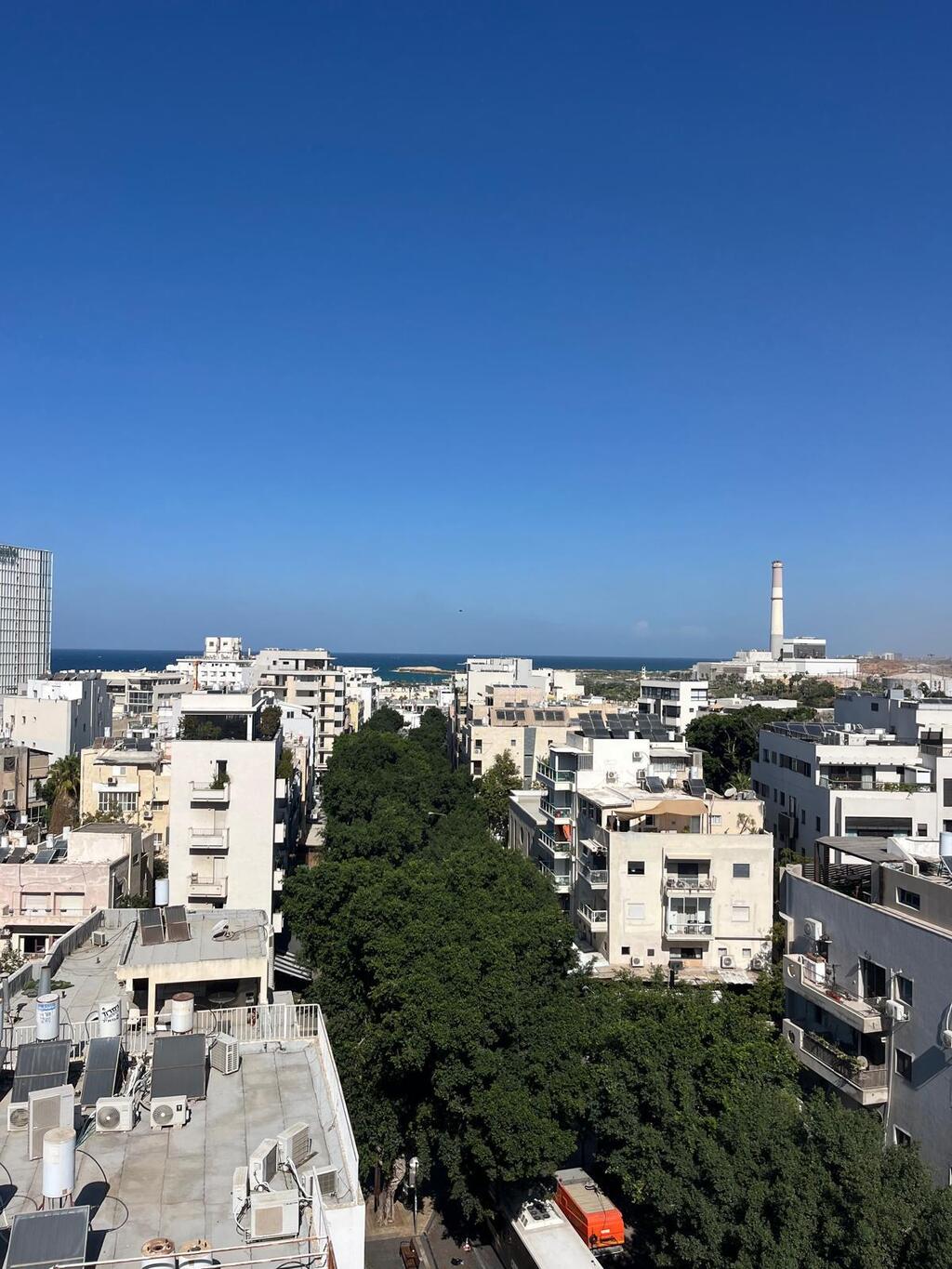
When exactly was the perfect time to buy property in Israel?
(Photo: Noah Sander)
Every time one concern fades, another takes its place. First it was the war. Then interest rates. Then the exchange rate. Then the elections. Before you know it, three years have passed and you’re still asking the same question, while the world around you keeps moving.
At some point, it’s worth asking whether you’re actually waiting for better conditions or simply waiting to feel completely comfortable with a decision that will never be entirely comfortable.
The market everyone seems to be waiting on
Now let’s talk about the actual market, because there’s another misconception I hear constantly.
The market is relatively quiet. Developers are offering incentives and some sellers are reducing their asking prices. Surely, then, a major crash must be coming.
As of today, I don’t see it.
For the better part of three years, the Israeli housing market has been sluggish. Transactions have been harder to close, buyers have become more selective and sellers who grew accustomed to the anomaly of 2021 and early 2022 have had to adjust their expectations if they actually want to sell. Developers are offering more attractive payment structures. In certain areas and property categories, prices have corrected meaningfully. Older secondhand apartments, particularly those without protected rooms, elevators, parking or modern specifications, are facing growing competition from new construction, and their value continues to erode.
But let’s put things into perspective. We’ve been through roughly three years of war, with rounds of wild events over Israel’s skies and borders and extraordinary geopolitical uncertainty. Construction companies have faced serious labor shortages. Money is no longer cheap to borrow. And a strong shekel has made Israeli property considerably more expensive for international buyers converting dollars, whose purchasing power has taken a significant hit.
If you were trying to write the perfect recipe for a real estate collapse, you could hardly ask for a more challenging combination of circumstances.
And yet, where is the collapse?
We have seen corrections, of course, and in some specific projects, the discounts can be substantial. But a correction, a difficult sales environment and a nationwide housing market in free fall are three very different things.

If you were trying to write the perfect recipe for a real estate collapse, you could hardly ask for a more challenging combination of circumstances
(Photo: Noah Sander)
I’m not suggesting everything is butterflies and rainbows. There are developers under pressure, properties that are sitting on the market for months on end and sellers who still haven’t accepted that the market has changed. Older apartments will likely continue to struggle as buyers prioritize newer buildings with modern protections. And yes, prices could fall further.
But despite everything Israel has experienced, we haven’t seen the nationwide collapse some people have been predicting or maybe hoping for. That doesn’t guarantee what happens next. But it does tell us something about what has happened so far.
And here’s a point buyers often overlook: The market isn’t the property.
You can correctly predict that average prices will fall a few more percentage points and still miss an exceptional opportunity on a particular property. Equally, you can buy in a rising market and make a bad investment because you overpaid, bought in the wrong location or didn’t understand what you were purchasing. Real estate is local. Sometimes it’s neighborhood-specific, street-specific, even building-specific.
The question shouldn’t simply be whether prices will be higher or lower six months from now. It should be whether the particular property in front of you makes sense for your budget, your goals, your timeline and the price you’re being asked to pay.
And right now, in certain segments, buyers have more room to negotiate than they have in a long time. That’s worth recognizing.
Now let’s look five years into the future
There’s another aspect to this conversation that I think Jewish buyers living abroad need to consider seriously.
I recently worked with a client who flew in from Canada, saw a handful of properties and ultimately decided to pause and see if things improve back home. That’s entirely their decision, and I respect it. But it got me thinking about how many people are making the same bet, quietly hoping things blow over.
So here’s what I ask people to consider. Imagine two versions of the world five years from now.
In the first, things have dramatically turned around for Jews in the diaspora. Antisemitism has receded. Israel is understood again as an ally rather than a villain. Jewish communities in Canada, the United States, Britain, France and Australia feel safe, and families can raise their children openly and proudly without wondering what the future holds. Saying you’re a Zionist is no longer controversial but understood.
Amazing. I genuinely hope that’s exactly what happens.
Now imagine that five years earlier, you bought a property in Israel. Maybe it’s been rented out. Maybe you’ve used it for family holidays or it’s simply become another reason to spend more time here. Assuming you were happy with the property and the price at the time, is that an outcome you could live with?
Now imagine the second version.
Five years have passed and the climate has deteriorated significantly. Antisemitism has become deeply embedded in everyday life. Synagogues and Jewish institutions require round-the-clock security. Attacks on Jewish communities have become more frequent, and Jewish families are increasingly questioning whether the countries they’ve called home for generations remain safe places to raise their children. Political hostility toward Israel has intensified, and Western governments have imposed sanctions. Moving money to Israel has become more difficult and politically sensitive. Jewish-owned businesses and individuals with ties to Israel face growing pressure, discrimination and boycotts. Jewish communities increasingly find themselves confronting hostility in schools, workplaces and public institutions.
And suddenly the question is no longer whether Israel is a good investment. It’s whether you acted in time to have somewhere to go.
You remember that five years earlier you had the means and had seriously considered it but decided to wait and see if things improved.
So let me ask you something: Which of those two outcomes would you rather find yourself in?
For those who have the means, genuinely want to own in Israel and are mainly hesitating because they’re trying to predict the perfect moment, I think that’s a question worth sitting with.
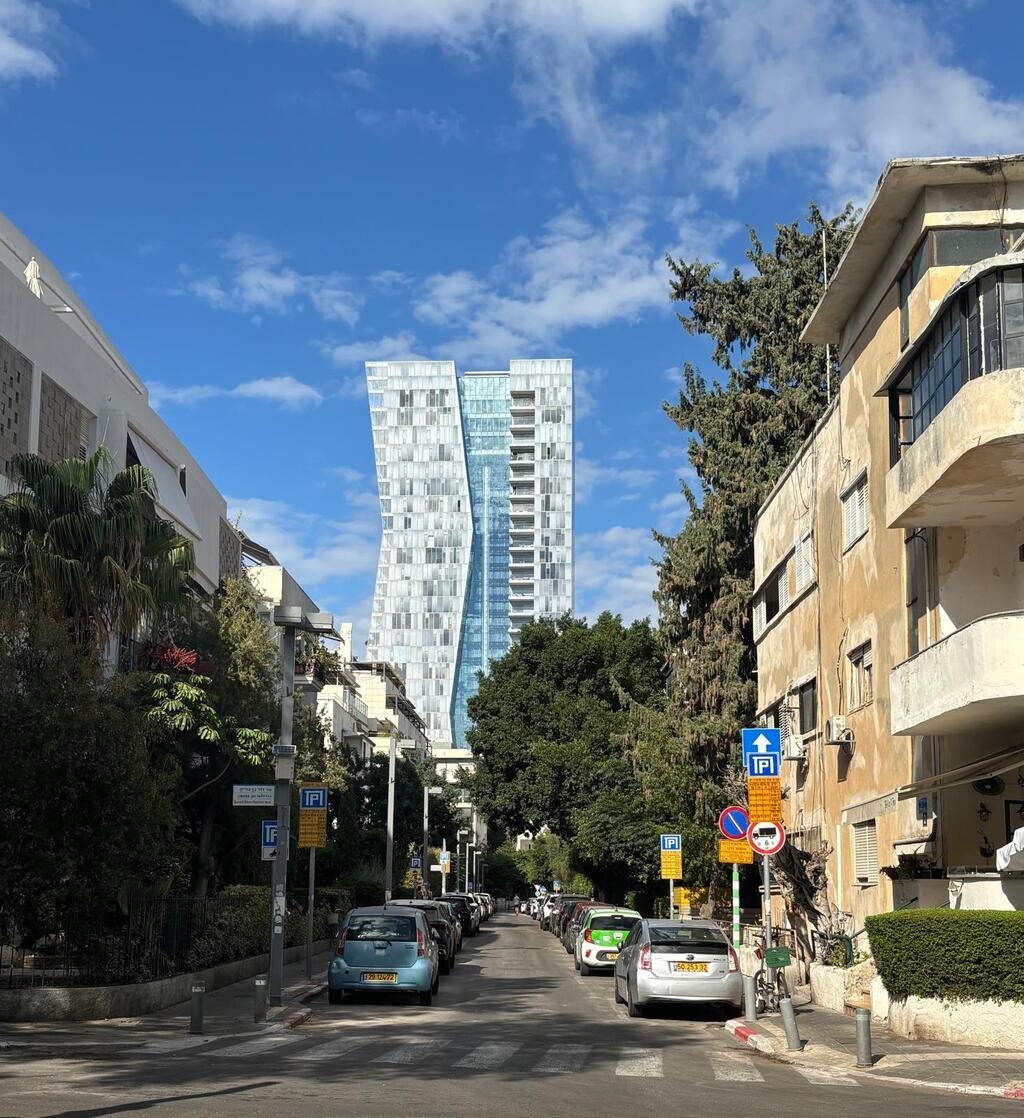
Which of those two outcomes would you rather find yourself in?
(Photo: Noah Sander)
Because sometimes the greatest value of an investment isn’t what it earns you. It’s the options it gives you when life doesn’t unfold the way you expected.
I was raised to understand how quickly things can change
I come from a family of Holocaust survivors.
Growing up, the idea that circumstances for Jews could change dramatically, sometimes almost overnight, wasn’t an abstract historical lesson. It was embedded in our family history and in how we understood the world. We were raised knowing that the comfort and security Jews enjoy in any particular country should never be taken for granted.
I grew up in Canada, a country that gave my family opportunities and a good life, and I’m grateful for that. But I eventually made aliyah, built my life in Israel, served in the army and chose to make my future here.
I genuinely hope Jewish life in the diaspora thrives for generations to come. I hope the hostility we’ve witnessed subsides, that Jewish students feel safe on campuses and streets and that Jewish families everywhere can live openly without questioning their place in society. History paints a different picture.
What I won’t do is pretend the questions Jewish families are asking today are the same ones they were asking 10 years ago. They’re not. And it’s entirely reasonable that those changing circumstances influence how people think about their future, including where they might want to own property.
So, is now the right time to buy?
I don’t know whether the property you buy today will be worth more or less five years from now. Nobody does.
What I do know is that owning something here puts you in a strong position either way. If the world returns to normal, you hold a property in a country that is progressing astoundingly fast and sits at the forefront of technology, AI, medicine and science, with limited land and an incredibly young and growing population. If it doesn’t, you already have a home to go to.
You still need to do your homework: the neighborhood, the developer, the financing, the taxes, the structuring of a deal and the actual value of what you’re buying. You need to understand your timeline and whether the property genuinely serves your needs.
But once you’ve done all that, once you’ve found the right property at a reasonable price and the numbers work for you and your family, I’d be very careful about letting the next election, the next headline or another few percentage points of price reductions become the sole reason you don’t move forward.
Because the future doesn’t arrive with a guarantee.
So when you ask me whether now is the right time to buy in Israel, consider the market, absolutely. Look at the prices. Negotiate. Understand the risks. Be disciplined with your money.
But also look beyond the next six months. Look five years out and ask what owning a home here could mean for you and your family, not just financially but practically and personally.
So, is now the right time to buy property in Israel?
I’ve told you how I see it. I’ll let you decide.
Noah Sander is a Canadian-born real estate agent based in Tel Aviv, specializing in helping international buyers and new olim navigate the Israeli property market. He is the founder of ZionistInvestor.com. Reach him directly at [email protected].