

Residential architecture is often viewed as a technical discipline built on plans, regulations, facades, square meters and building systems. In practice, however, it is deeply psychological. The home we live in is an active emotional environment, far beyond its physical shell. It shapes mood, sense of security, stress levels, family relationships and the way we meet the world at the end of each day.
Many people struggle to explain why they feel discomfort or alienation in their own apartment. The usual explanations include noise, neighbors, general inconvenience, fatigue from the space or a vague sense of overload.
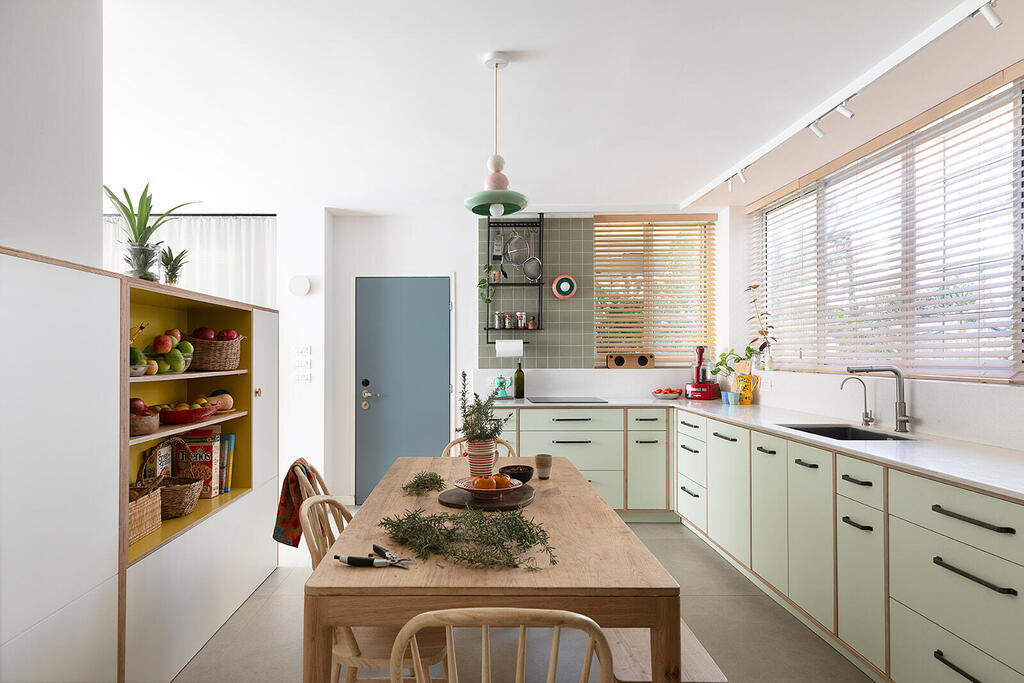
Yet extensive research in environmental psychology shows that in many cases, the source lies in the design itself. The way spaces connect, the flow, light levels, the ability to create privacy and the way a building greets its residents at the entrance all have a direct effect on mental well-being, sometimes at a subconscious level.
As early as the 1970s, environmental psychology researcher Irwin Altman proposed a theory of privacy, finding that it is not a luxury but a basic human need. He showed that the physical environment acts as a primary tool for individuals to regulate social interaction, privacy, and control.
More recent studies from Europe and the U.S. reinforce this conclusion, demonstrating how small design errors accumulate into an exhausting daily experience.
Here are six common home design mistakes worth avoiding.
Mistake No. 1: An entry that opens directly into the living area
One of the most common problems appears immediately at the front door, when the entrance opens directly into the living room. On paper, this saves space and creates an open feel. In reality, it eliminates a critical stage in the human experience. The entrance functions as a psychological transition between the demanding, noisy outside world and the intimate interior. Without even a small buffer zone to pause, put things down and decompress, residents experience a constant sense of exposure.
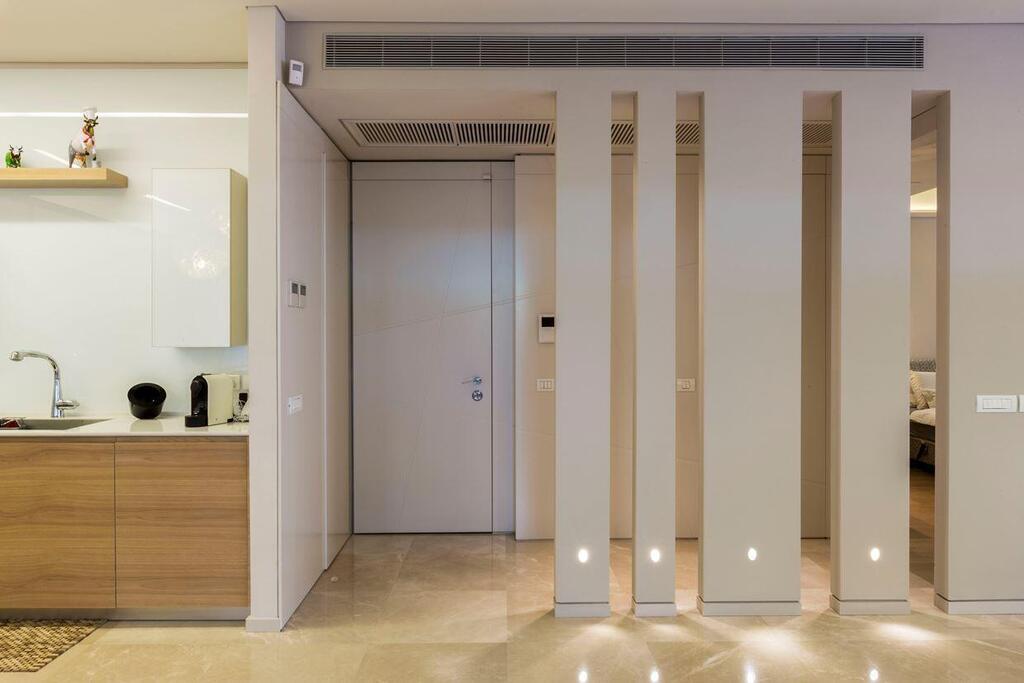
Creating a buffer zone helps separate inside from outside
(Photo: Sagi Moran)
A 2016 study published in the Journal of Environmental Psychology found that apartments without a clear separation between the entry zone and living areas led to higher stress levels and a reduced sense of privacy and control.
Mistake No. 2: An overly open space
Open-space living sounds modern and appealing, but the brain is left without an anchor. When cooking, working, playing, hosting and resting all occur in the same space, cognitive overload builds up. The human brain needs spatial boundaries to organize thought, regulate stimuli and experience calm.
A 2019 study in the Journal of Housing and the Built Environment found residents reported higher well-being and fewer daily conflicts in apartments with at least partial separation between zones, especially in dense urban settings.
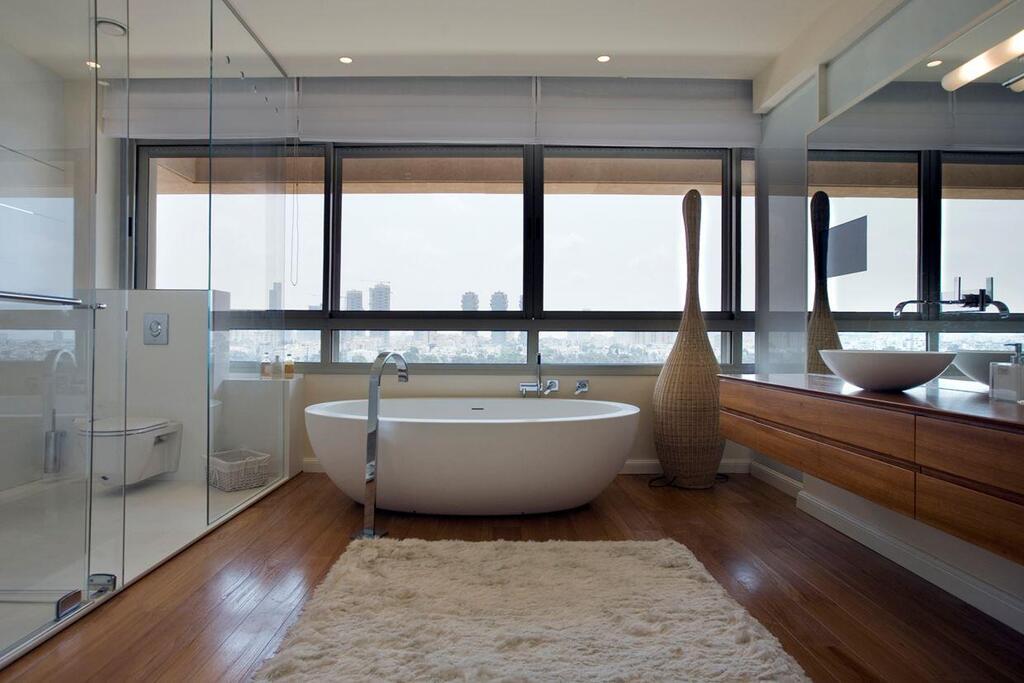
Avoid layouts that create awkward interactions
(Photo: Courtesy of GMA)
Mistake No. 3: Design choices that create daily discomfort
Some design flaws wear people down even if they seem minor, such as a guest bathroom placed directly opposite the front door or next to the main entertaining area. On paper, the layout works. In real life, it creates discomfort and unnatural movement through the home. Residents may not be able to articulate the problem, but they feel it.
Research in environment-behavior studies shows that space is not neutral. It shapes behavior, and behavior generates emotion. When design repeatedly forces awkward situations, emotional fatigue accumulates and undermines everyday comfort.
Mistake No. 4: Shared spaces as mere corridors
This mistake occurs outside the apartment itself. Dark, narrow, characterless corridors and lobbies designed only for passage turn buildings into anonymous spaces that intensify loneliness. With no natural light, no place to pause and no visual identity, opportunities for recognition between neighbors disappear.
A 2017 study in the Journal of Urban Design found a direct link between the quality of shared spaces in residential buildings and residents’ sense of belonging and social cohesion. Additional research published in Building Research and Information in 2021 showed that high-rise buildings with clearly defined intermediate spaces encouraged positive, even if brief, social interactions.
Mistake No. 5: Poor lighting
Light is a biological system, not just an aesthetic or functional choice. When residents describe an apartment as dark, they are often describing fatigue, poor sleep and a sense of heaviness. A 2020 study in Building and Environment found that exposure to natural light or biologically aligned lighting significantly improved sleep quality, energy levels and mental health indicators, even in small apartments.

Architects Vered Matsliah Ellenbogen (left) and Kobi Gal founders of GMA Architects
(Photo: Eyal Laybel)
Mistake No. 6: Loss of orientation and control
Buildings where every floor looks identical, with no wayfinding cues or sense of soft territory, create a persistent loss of control. A 2018 study in Environment and Behavior emphasized the importance of spaces that create identity beyond the private apartment door, helping residents orient themselves and feel grounded.
The good news is that most of these problems are solvable. Softly dividing open spaces, adjusting the placement or swing of doors, especially the main entrance, planning lighting carefully and revitalizing shared floor lobbies can dramatically improve daily life.
Ultimately, an apartment should allow calm living without a sense of exposure. Good design must be precise, making efficient use of every square meter while prioritizing human comfort.
The authors are architects and partners at GMA Architects.