

One of seven Iranian women’s national soccer team players who sought asylum in Australia has reversed her decision and plans to return home to Iran, raising concern among human rights activists about her safety.
Australia’s Home Affairs Minister Tony Burke confirmed that the player, who had been granted a humanitarian protection visa, later decided to go back to Iran after reconsidering. She had been among two players who initially remained in Brisbane while the rest of the team traveled to Sydney to prepare for a flight back to Asia.
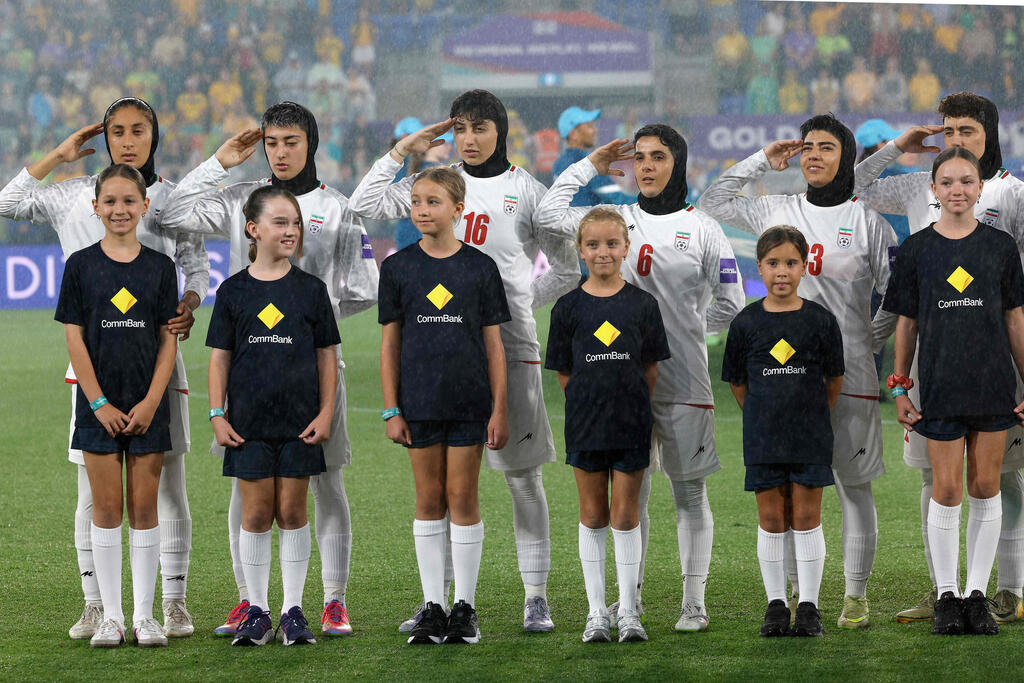
(Photo: Izhar KHAN / AFP)
Burke said the player informed authorities shortly after 10 a.m. that she had changed her mind following conversations with teammates who had already left Australia.
The player later contacted the Iranian embassy, whose representatives picked her up from the hotel where she had been staying with others who chose to remain in Australia.
Australian authorities subsequently moved the remaining players to another location for security reasons after the Iranian embassy became aware of their whereabouts, Burke said.
Officials also spoke with the player to ensure her decision to return to Iran was made voluntarily and that the necessary questions had been asked to confirm that she was acting of her own free will.
Human rights activists have voiced concern for the safety of the players, particularly given the ongoing fighting in Iran and the region. Activists fear the athletes could face punishment upon returning home if authorities believe they expressed dissent against the government.
The controversy surrounding the team began after some players declined to sing Iran’s national anthem before their Asian Cup opener against South Korea, which Iran lost 3–0. The gesture sparked outrage among conservative commentators in Iran, some of whom accused the players of treason and called for punishment.
Concern for the players grew after Iran was eliminated from the tournament. Hundreds of fans gathered outside the team bus after the final match in Australia’s Gold Coast, chanting “Save our girls,” amid fears the players could face repercussions if they returned to Iran.
The issue has also drawn political attention abroad. U.S. President Donald Trump called on social media for the players to be granted asylum, saying the United States would accept them if Australia did not.
Iranian officials have strongly criticized Australia’s handling of the situation. Foreign Ministry spokesman Esmail Baghaei accused Australia of effectively holding the athletes hostage, while Iran’s football federation president Mehdi Taj alleged authorities had pressured the players to seek asylum.
Former Australia national team star Craig Foster, now a human rights advocate, said campaigners remain deeply concerned about the players’ safety, arguing athletes competing in international tournaments should have access to protection and outside support if they fear for their well-being.
Members of the Iranian community in Australia also voiced support for the team, with hundreds attending the squad’s final match against the Philippines. Some fans in the stands booed during Iran’s national anthem in protest against the government in Tehran.