

Diptera.ai, a Jerusalem-based biotech startup, is tackling one of the world’s most persistent public-health challenges using a counterintuitive approach: releasing mosquitoes.
The company breeds and releases sterilized male mosquitoes – which do not bite – to disrupt reproduction cycles and drive a gradual collapse of local mosquito populations, significantly reducing the spread of malaria and other mosquito-borne diseases.
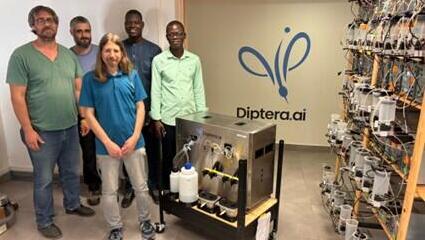
Mosquito-borne illnesses infect hundreds of millions of people each year, while traditional control methods are becoming less effective. Mosquitoes rapidly develop resistance to pesticides, climate change expands their habitats, and large-scale eradication efforts struggle to keep pace. The sterile insect technique has been known for decades but scaling it has been constrained by the need to sort adult mosquitoes by sex – a slow, labor-intensive, and costly process.
Diptera.ai has developed a system that enables sex sorting at the larval stage using a combination of computer vision, automation and biological processes. This approach allows the production of large volumes of sterilized male mosquitoes at significantly lower cost and with far greater scalability. In a pilot project conducted in Israel, the company reported a reduction of more than 90% in local mosquito populations within weeks of deployment.
A central component of Diptera.ai’s progress has been a joint U.S.–Israel R&D collaboration with Vectech, an American company specializing in mosquito control and field deployment technologies. The collaboration is supported by the BIRD Foundation – the U.S.–Israel Binational Industrial R&D Foundation, which co-funds and facilitates bilateral projects between Israeli and American companies.
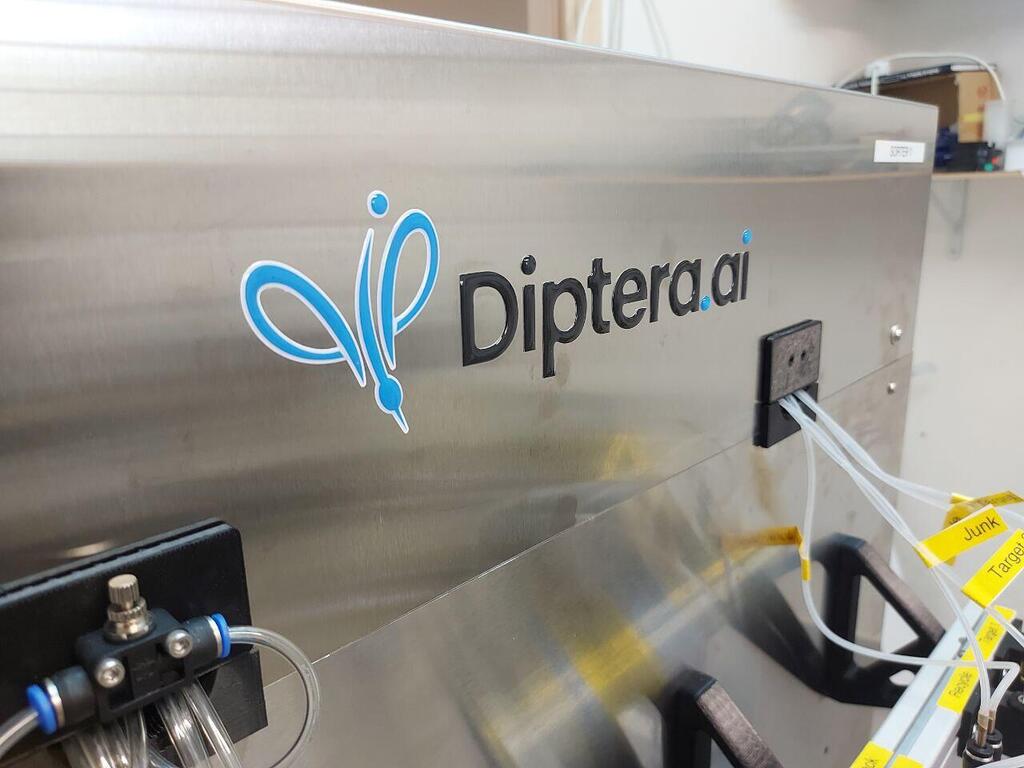
(Photo: Diptera.ai)
Under the BIRD framework, Diptera.ai and Vectech worked together on integrating large-scale production, monitoring and field validation capabilities, combining Diptera.ai’s biological and AI-driven systems with Vectech’s operational and deployment expertise. This joint structure enabled accelerated testing, validation and readiness for real-world implementation.
Beyond this bilateral project, Diptera.ai is also advancing additional international initiatives, including preparations for field pilots in sub-Saharan Africa, where malaria remains a leading cause of childhood mortality. These activities are conducted in cooperation with local authorities, research institutions and global health organizations.
“The BIRD Foundation was established to promote practical, results-driven collaboration between Israeli and US companies," according to Omer Carmel, business development manager at the BIRD Foundation. "The project between Diptera.ai and Vectech is a strong example of how joint R&D, shared risk and complementary expertise can accelerate the path from innovation to real-world deployment, including in areas with significant global health impact.”
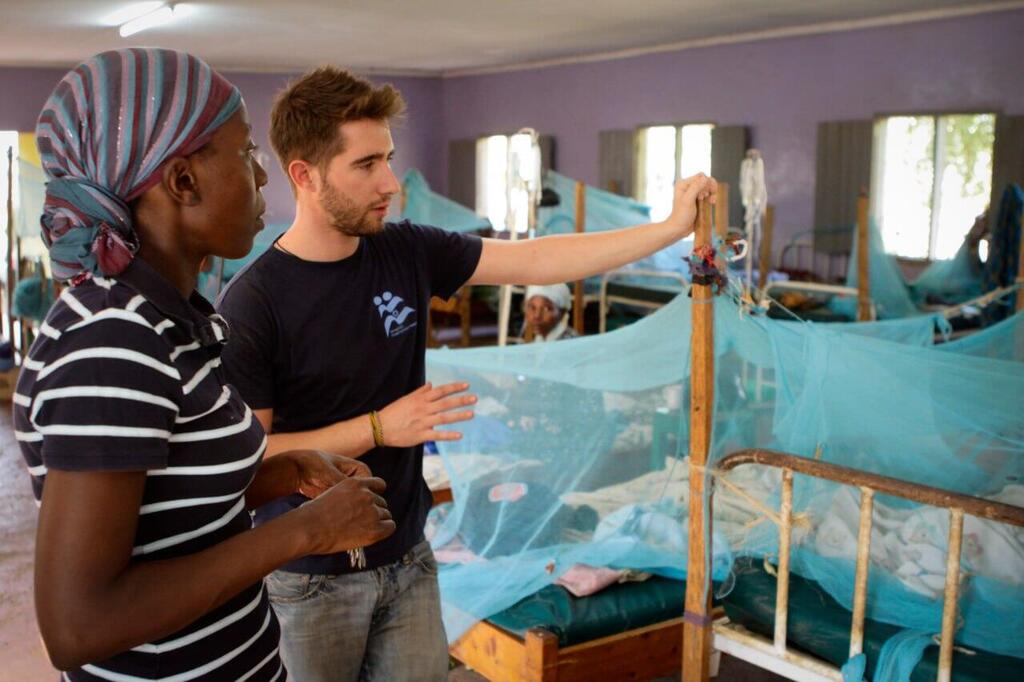
(Photo: Mickey Noam Alon/IsraAID)
In parallel to the BIRD-supported project, Diptera.ai has raised capital from venture funds including Trust Ventures, IndieBio and Fresh.fund. These investors focus on deep-technology companies addressing large-scale infrastructure, regulatory and public-sector challenges – a natural fit for a company operating at the intersection of biology, public health and policy-driven implementation.
As Diptera.ai moves toward broader deployment, the company positions its technology not only as a breakthrough in mosquito control, but as a data-driven, scalable model for addressing one of the world’s deadliest diseases through international collaboration and applied innovation.
First published: 14:39, 12.22.25