

The White House is continuing to push a wave of viral videos tied to the war with Iran, with recent posts on its official social media accounts blending footage of military strikes with references to American pop culture.
In recent days, the administration’s social media feed has begun to resemble a mix of Hollywood clips, video game references and internet memes.
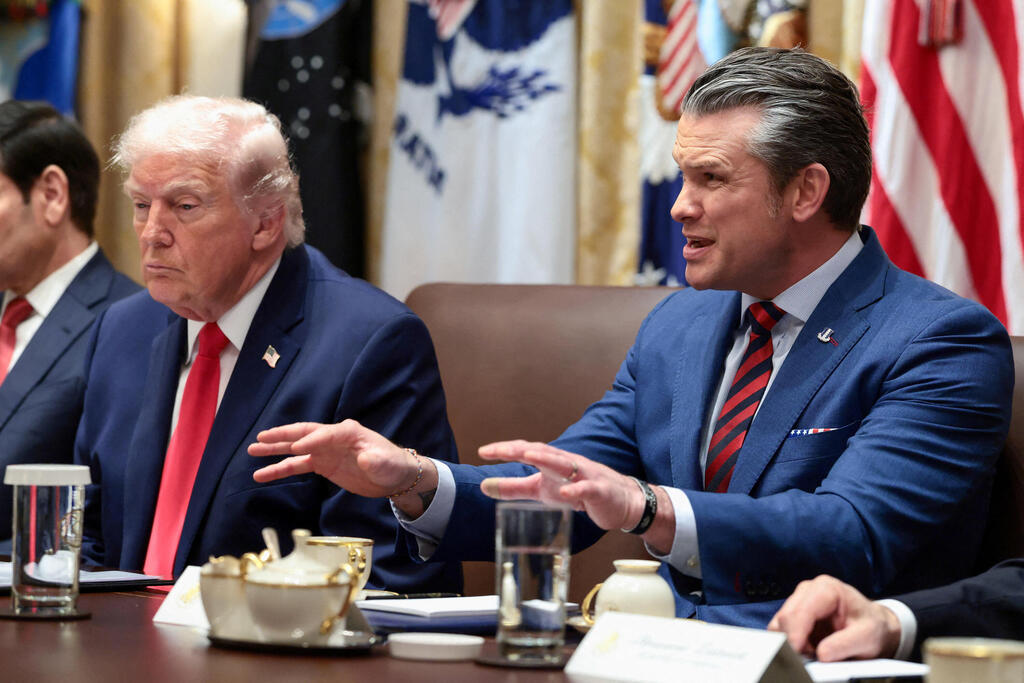
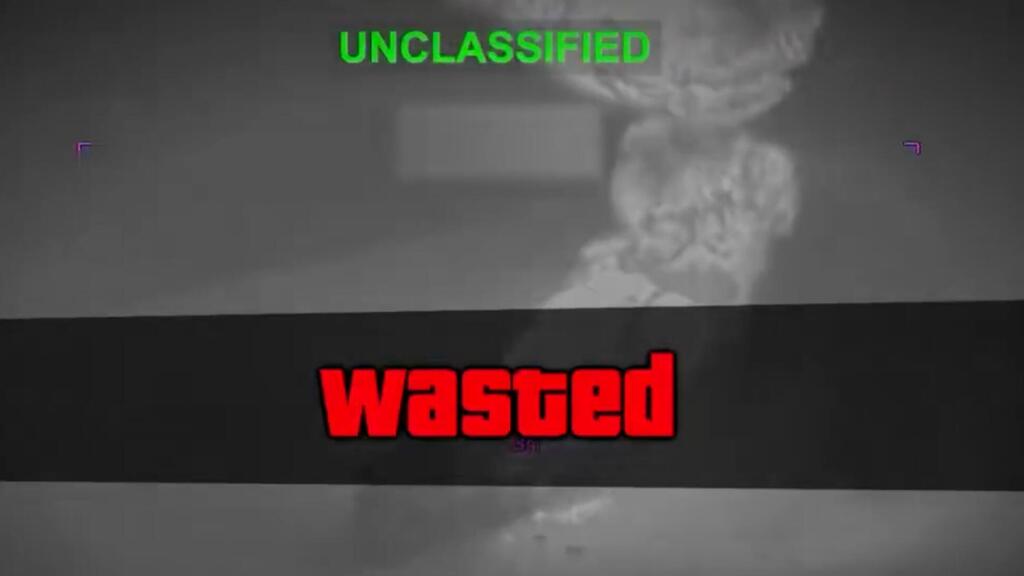
Meme warfare
(Photo: X)
The trend follows a viral video published earlier that combined footage from the video game Call of Duty with real images of strikes in Iran. Since then, the White House has released additional videos that take the concept even further, triggering widespread debate online.
Hollywood enters the war narrative
One of the latest posts adopts the style of a Hollywood action montage, promising what it describes as “justice the American way.”
The 42-second video mixes scenes from well-known movies and television shows, portraying a range of characters from action heroes and freedom fighters to morally ambiguous figures such as corrupt lawyers and drug dealers.
The video opens with a scene from “Iron Man 2,” showing Tony Stark, played by Robert Downey Jr., saying, “Wake up, daddy’s home,” as he claps his hands to activate his computer systems.
The inclusion of Downey Jr. carries a degree of irony. The actor has been a vocal critic of President Donald Trump and actively supported Democratic candidate Kamala Harris during the 2024 presidential campaign.
Other clips in the video include Russell Crowe in “Gladiator” and Mel Gibson in “Braveheart,” both films centered on characters resisting powerful imperial forces.
The montage then shifts to Tom Cruise as a fighter pilot in “Top Gun: Maverick,” followed by Jimmy McGill, the ethically questionable lawyer from “Breaking Bad” and “Better Call Saul.”
In the scene used, actor Bob Odenkirk shouts: “You can't conceive of what I’m capable of.”
Later segments feature Keanu Reeves as John Wick, declaring “I think I’m back,” and Bryan Cranston as Walter White from “Breaking Bad,” delivering the famous line: “I am the danger.”
Cranston, like Downey Jr., has also been a critic of Trump. In a 2017 interview with The Guardian, he said he was disappointed by Trump’s election and later criticized what he described as the president’s “demagoguery” in a speech at the 2019 Tony Awards.
Toward the end of the clip, costumed action heroes appear alongside Defense Secretary Pete Hegseth before the video concludes with the phrase “Perfect victory,” a reference to the Mortal Kombat franchise, alongside the label “The White House.”
A GTA-style war montage
Shortly afterward, another White House post leaned heavily on video game culture, this time referencing the classic game “Grand Theft Auto: San Andreas.”
The clip opens with the iconic scene in which protagonist Carl “CJ” Johnson walks through his neighborhood and says the famous line: “Oh sh*t, here we go again.”
The video then transitions to real footage of strikes in Iran.
The use of pop culture, video games and internet humor has become a noticeable feature of the administration’s social media strategy since Trump returned to the presidency.
Critics argue that the approach mirrors Trump’s own communication style, relying on provocation, mockery and viral content designed to generate attention and debate.
Copyright questions and backlash
The videos have also raised questions about copyright, as it remains unclear whether the White House obtained permission to use clips from films, television shows and games featured in the posts.
Artists and musicians have previously clashed with the administration over the use of their work without authorization, including members of ABBA, Beyoncé, Bruce Springsteen and the Rolling Stones.
The gaming world has also begun to respond. After previous White House posts used imagery from the “Pokémon” franchise, the company managing the brand reportedly filed a formal complaint about the use of its characters in political messaging.
Regardless of the criticism, the administration appears determined to continue the strategy.
Instead of relying solely on traditional diplomatic statements or lengthy press briefings, the White House is increasingly turning to Hollywood, video games and internet memes to shape public perception and reach younger audiences online.
For critics, the videos represent another sign that American politics has become an online spectacle built on provocation and propaganda.
For supporters of Trump, however, it is simply the modern language of a generation raised on pop culture and gaming.