

In a time when Israel is often viewed primarily through the prism of conflict, one initiative has been working to reshape the narrative—one innovation story at a time. From the ynet Global studio, Gerson Panitch, founder and host of “What’s Next in Israel Tech,” describes how a moment of national trauma evolved into a mission to spotlight Israeli ingenuity and resilience to global audiences.
Panitch, a partner at the international intellectual property firm Finnegan and a longtime advisor to hundreds of Israeli technology companies, says the project was born in the immediate aftermath of October 7. Waking to sirens that morning, he initially believed the Iron Dome would intercept the rockets as it had many times before. The reality that followed, he recalls, was profoundly different.
Gerson Panitch tells the positive stories about Israel innovation


Like many Israelis, Panitch volunteered—working in agricultural fields and helping prepare meals for soldiers and first responders. But he soon realized he could contribute in another way: by telling Israel’s story through innovation.
“I’m not a politician,” he says. “But I understand technology and I understand Israel’s drive to make the world better. That’s the story I could tell.”
According to Panitch, international media coverage quickly shifted away from sympathy toward criticism, often failing to reflect the lived reality inside Israel. Friends’ children were fighting in Gaza, others had been killed at the Nova music festival, yet he felt the broader story—of a society mobilizing to help others and innovate even in crisis—was largely missing.
“That same spirit you see when Israeli rescue teams are first to arrive at disasters around the world exists here in the startup ecosystem,” he says. “So many companies are trying to save lives and improve the world.”
War, uncertainty and startup resilience
The war created immediate economic ripple effects across Israel’s technology sector. Panitch recounts a client who had secured a $10 million investment term sheet before October 7, only to see it withdrawn within days as investors grew cautious.
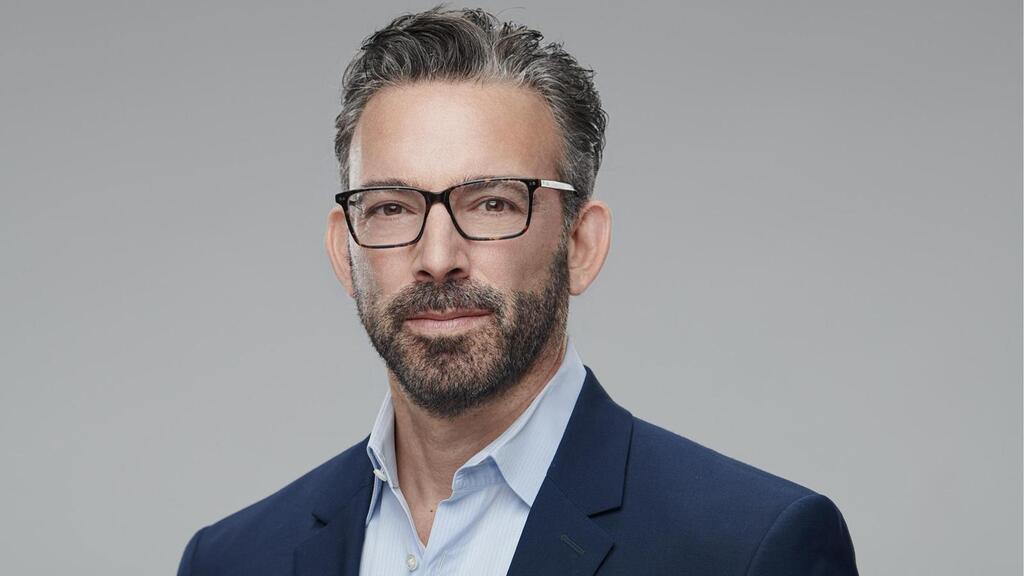
Gerson Panitch, founder and host of 'What’s Next in Israel Tech'
(Photo: PR)
Part of the mission of “What’s Next in Israel Tech,” he explains, is to restore investor confidence by showcasing viable, profitable and impactful Israeli innovation.
“We want investors to look beyond fear and negative headlines,” he says. “There is extraordinary technology here.”
Panitch’s professional career—combining engineering, law and strategic intellectual property—has exposed him to nearly 300 Israeli companies. What continues to surprise him, he says, is Israel’s relentless belief that obstacles are temporary.
“Walls aren’t really walls here,” he says. “There’s a ‘can-do’ mindset that anything is possible.”
He recalls one company later acquired by Apple for nearly $2 billion, whose technology initially seemed impossible—interpreting biometric signals from the body to anticipate communication. Another example involved a medical device firm that needed a specialized microscopic catheter; when existing tools didn’t suffice, engineers built an entirely new machine within three weeks to manufacture it.
“In another country it would take a year and millions of dollars,” he says. “Here they just say, ‘We need it—let’s build it.’”
From the United States to Israel
Panitch did not initially plan to relocate to Israel. But after over more than a decade of constant travel—over 100 round trips—he says the country’s culture gradually transformed his outlook.
“There’s a sense of family here,” he says. “People care about each other in a way that is deeply human.”
His connection to Israel extends beyond business. Panitch has taught MBA students at Tel Aviv University, where he says the next generation of entrepreneurs shows exceptional curiosity, strong communication skills and a willingness to challenge ideas. Yet he believes many founders still focus heavily on technology while underestimating the importance of business strategy—an area he sees improving through stronger academic-industry integration.
Innovation with purpose
Looking ahead, Panitch says what excites him most is the breadth of Israeli companies focused on improving lives globally—from cancer-targeting medical technologies to wildfire prevention systems, urban sustainability solutions and maternal health innovations.
“This is not just a slogan,” he says. “There is a real ethos here of tikkun olam—repairing the world.”
He hints that the next wave, particularly in artificial intelligence, will be transformative. While much remains confidential, he believes Israel’s role in shaping global technological progress is only beginning.
“There is so much more coming,” Panitch says. “And the world needs to see it.”
Through “What’s Next in Israel Tech,” he hopes to continue doing exactly that—telling a forward-looking story of resilience, innovation and a small country striving to make a global impact.
First published: 12:44, 02.11.26