

While Israeli startups traditionally look to the United States, Europe, and more recently the Gulf states for international expansion, another region is quietly emerging as a significant business opportunity: Latin America. For Israeli technology companies, this is a market worth exploring especially now - and not merely as a secondary option.
In a series of meetings I recently held across Latin America, as part of my fund’s ongoing activity in the region, I encountered a particularly warm reception, strong interest from investors, customers, and business partners, as well as significant support from Israel’s economic attachés in the region.
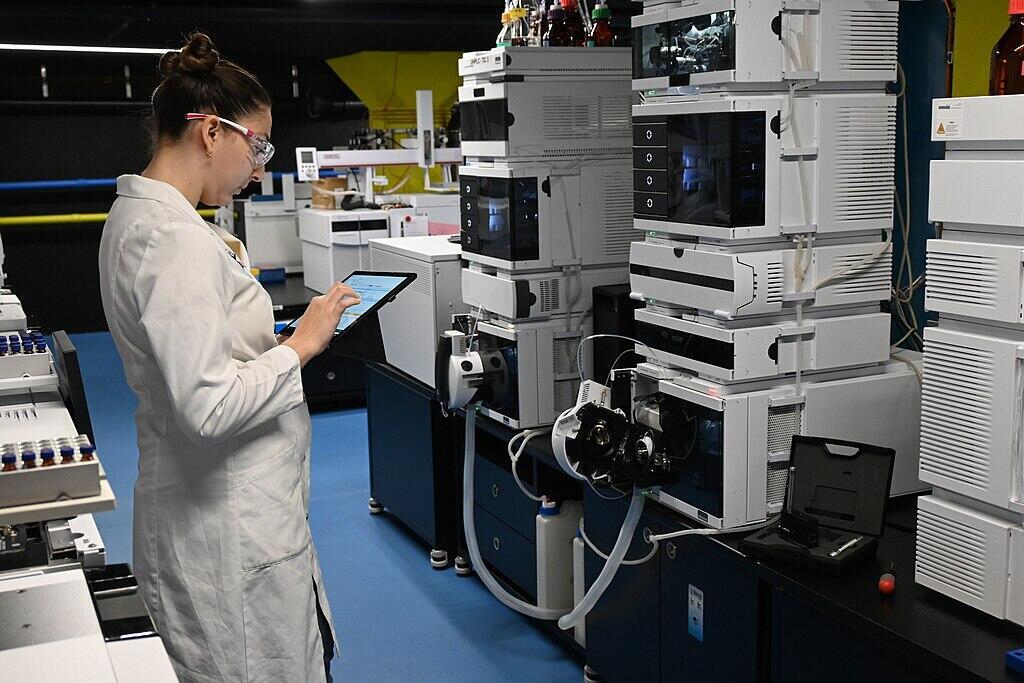
None of this is happening in a vacuum: Latin America is emerging as a rapidly growing manufacturing and industrial hub - led by Brazil and Mexico, which is quickly becoming one of the world’s most important manufacturing powers. Mexico is already the world’s 13th-largest economy, and in recent years has benefited from an accelerating wave of factories and supply chains relocating from Asia to North America. Brazil, with its long-standing industrial tradition, is also experiencing a renewed wave of modernization and adoption of advanced technologies.
This trend is expected to intensify even further amid the disruption of global supply chains caused by the crisis in the Middle East, the Russia–Ukraine war, President Trump’s tariff agenda, and ongoing constraints on global shipping routes in recent years.
In recent years, Mexico has attracted tens of billions of dollars in foreign investment, with a significant portion of the capital flowing directly into factories, industrial parks, and logistics infrastructure. Mexican exports continue to reach record highs, while the country’s industrial sector benefits from its proximity to the U.S. market, competitive costs, and the USMCA trade agreement with the United States and Canada. For Israeli startups operating in areas such as smart manufacturing, automation, cybersecurity,
supply chain, logistics, robotics, and energy, this is a market seeking solutions here and now - not sometime in the distant future.
Alongside Brazil and Mexico, countries such as Costa Rica, Panama, Guatemala, the Dominican Republic, and Colombia have also been attracting growing investment in these sectors in recent years.
Israel also holds an advantage on the diplomatic and cultural front. Many Central American countries have historically maintained positive relations with Israel, and several show a strong openness to collaboration in areas such as innovation, agriculture, healthcare, and security. In a global reality where Israel’s international standing is increasingly complex and diplomatic ties are becoming a tangible business factor, this is an asset that should not be underestimated. Above all, Israel’s proven technological capabilities remain a key differentiator and a significant competitive advantage.

Yoni Heilbronn, managing partner at IL Ventures
(Photo: Shlomi Yosef)
Overarching all of this is rising global geopolitical tension, which is accelerating the broader trend toward deglobalization. Supply chains are becoming shorter, countries are seeking greater industrial independence, and multinational companies are spreading risk across multiple regions. Central America is benefiting directly from this shift through the growing trend of nearshoring - relocating manufacturing and operations closer to the U.S. market. Israeli startups that fail to establish a presence there may eventually discover that their customers have already made the move.
The mistake many Israeli companies make is thinking in outdated terms of focusing only on large, Western markets. In today’s reality, fast-growing markets with openness to technology and strong diplomatic ties can be just as important. Central America may not have traditionally been on the radar of Israeli entrepreneurs, but those who fail to board the train to one of the world’s fastest-growing markets may ultimately miss out major business opportunities.
Yoni Heilbronn is a Managing Partner at IL Ventures