

Meta is preparing for the next stage of its business model, and it runs through users’ wallets.

A separate plan for each platform
According to reports published Wednesday, the company will begin testing new paid subscriptions on Instagram, Facebook and WhatsApp in the coming months. These subscriptions are expected to unlock advanced creative, productivity and artificial intelligence tools, while the core user experience will remain free.
Meta says this will not be a single, uniform subscription. Instead, the company plans a trial-and-error approach, with each app offering a different set of paid features. Meta is still testing what will actually convince users to pay. The overarching idea is clear: greater control over content creation, more tools and more AI for those willing to open their wallets.
One of Meta’s central moves is expected to be the integration of “Manus,” the AI agent the company recently acquired for a reported $2 billion. The strategy is twofold: deeper integration of Manus into Meta’s consumer products, alongside continued sales of separate subscriptions for businesses. According to leaks circulating online, Meta is working on adding a Manus shortcut within Instagram.
Video is also part of the plan. Meta intends to test subscriptions for AI-powered video tools such as Vibes, a short-form video creation feature already built into the Meta AI app. Until now, the service has been free, but the company is considering a premium model alongside basic free use. Under the proposed structure, paid subscribers would be able to create more videos each month.
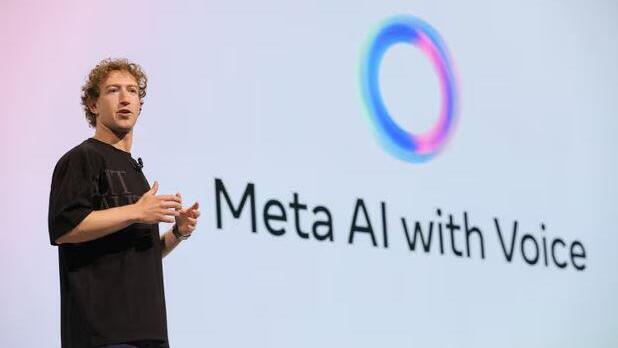
Meta CEO Mark Zuckerberg during the presentation of Meta AI
(Photo: Reuters)
Plenty of new features — but only for paying users
Instagram already offers a glimpse of how the model could work. According to leaked information, a paid subscription could allow users to create unlimited audience lists, see which followers do not follow them back and even view stories anonymously. What will be offered on WhatsApp and Facebook remains unclear, but the direction appears similar.
Meta has stressed that these new subscriptions will be separate from Meta Verified, the existing service aimed primarily at creators and businesses that offers a verification badge, direct support, impersonation protection and promotional tools. The new subscriptions, the company says, are intended for a broader audience of everyday users, not just creators.
From a business standpoint, Meta’s logic is straightforward: more subscriptions mean more revenue. From the user perspective, the picture is more complicated. Subscription fatigue is already widespread, and with nearly every service demanding a monthly fee, it is not clear how many users will be eager to add another one. For the model to succeed, Meta will need to offer features that feel genuinely essential.
For now, everything remains in the testing phase. Meta says it plans to listen to users, gather feedback and adjust the subscriptions accordingly. The real question is not whether Meta can generate more revenue, but whether it can persuade users that its paid features are not just nice to have, but hard to live without.