

Seven months after the last test flight of the second generation of the Starship system, SpaceX carried out the first launch of the third version on Saturday night, with mixed results.
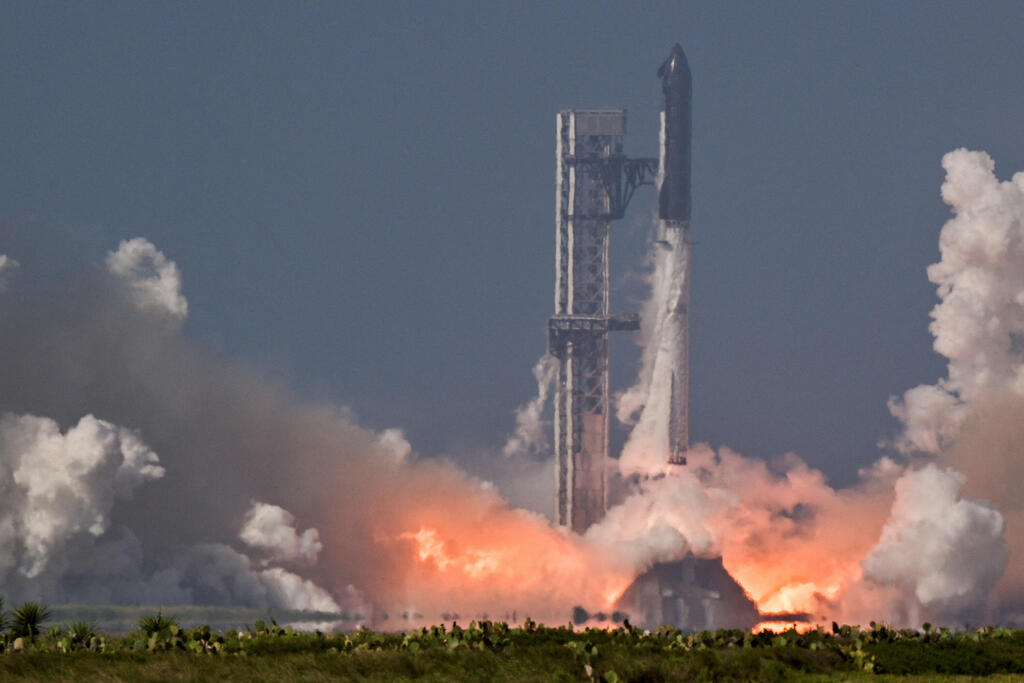
After the previous night’s launch was delayed by an hour and eventually canceled, the Super Heavy booster lifted off at the very start of the launch window between Friday and Saturday. It was the debut launch from the new pad built at the company’s space base in South Texas, and it passed the initial test successfully.
Successful launch Spaceship


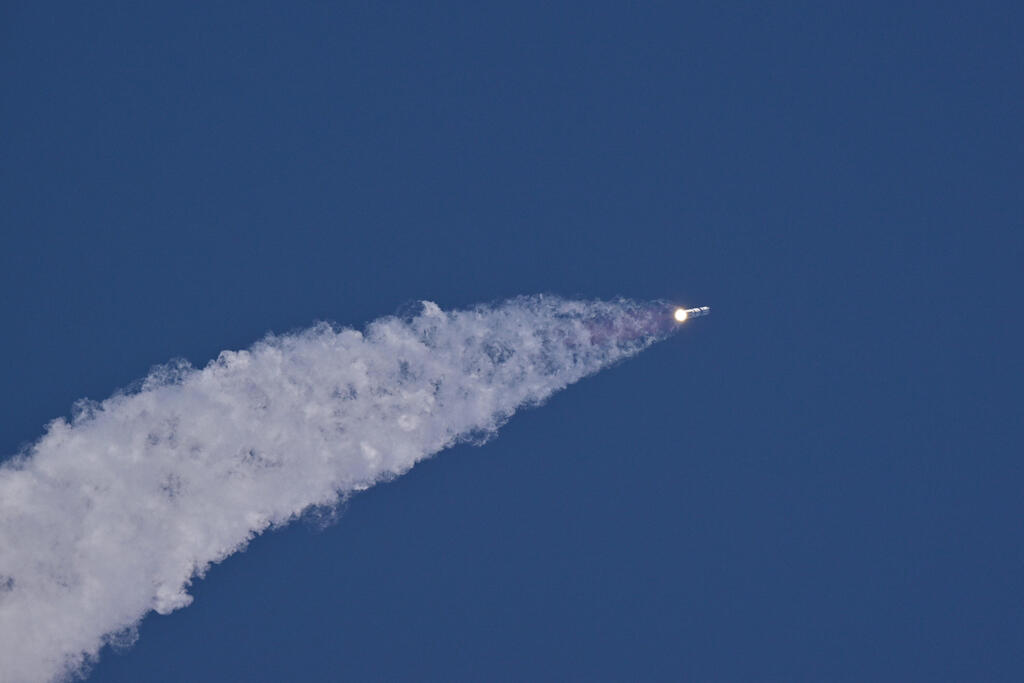
All 33 of the new Raptor 3 engines on the booster operated as planned, although one shut down earlier than intended. Two minutes and 40 seconds after liftoff, a “hot staging” separation was performed, with the spacecraft’s six engines igniting before full shutdown of the booster’s engines. The spacecraft continued into space, but one of its three vacuum engines shut down. It continued on five engines instead of six, so the remaining engines burned for about a minute longer than planned until it reached the required velocity of around 26,000 km/h.
The booster continued in free fall and was supposed to perform a controlled landing maneuver over the waters of the Gulf of Mexico, not far from the company’s South Texas launch site. However, it likely failed to execute the maneuver and crashed into the sea in a less controlled impact than planned.
Starship flight test 11
(Photo: SpaceX/Reuters)
The spacecraft continued on its planned trajectory — a ballistic flight without entering Earth orbit, leading to atmospheric reentry over the Indian Ocean. About 20 minutes after launch, the spacecraft’s payload door opened and it deployed 20 dummy satellites shaped, sized and weighted like next-generation Starlink satellites.
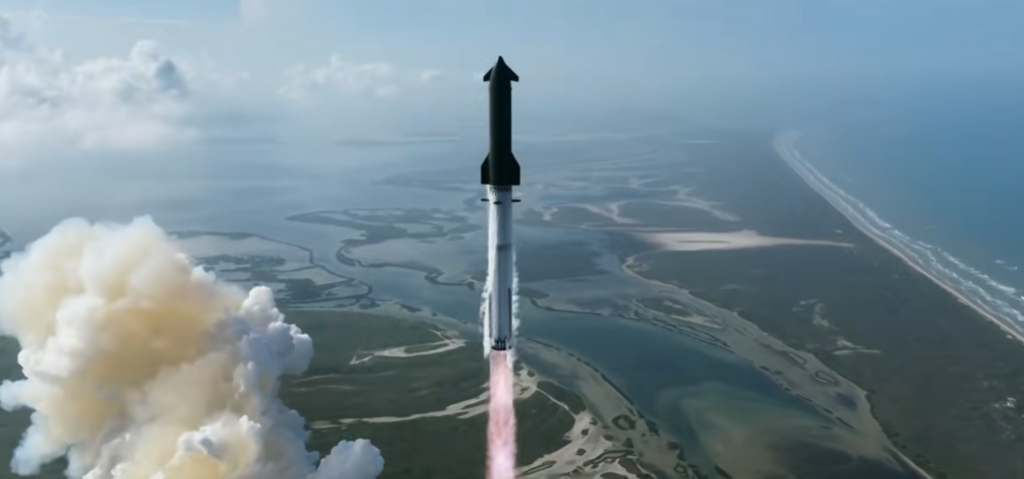
Starship seconds after launch
(Photo: SpaceX)
It then deployed two additional satellites equipped with cameras and lights, intended to test heat shield tiles. Specifically, they examined tiles installed for testing on the opposite side of the heat shield, where the payload door is located. Engineering teams are testing several tile adhesion methods, and the external view helped assess which tiles survived the stresses of launch.
After deploying the satellites, the spacecraft was supposed to test an in-space engine relight, but this was skipped, likely due to the engine issues during the first stage of the test flight.
One of the engines is already being tested.
(Photo: REUTERS/Steve Nesius)
The spacecraft reentered the atmosphere as planned over the Indian Ocean and withstood the intense heat and mechanical stresses of reentry. It was also designed to perform a soft-landing simulation over the sea before plunging into the water, and it did so successfully. It “landed” precisely at the planned location and stood upright above the sea surface for a second or two before shutting down its engines, tipping over and exploding. The explosion may have been caused by excess fuel remaining in its tanks.
NASA chief Jared Isaacman quickly congratulated SpaceX and its CEO Elon Musk in a post on X: “Congratulations on a hell of a Version 3 launch. One step closer to the Moon… one step closer to Mars.”
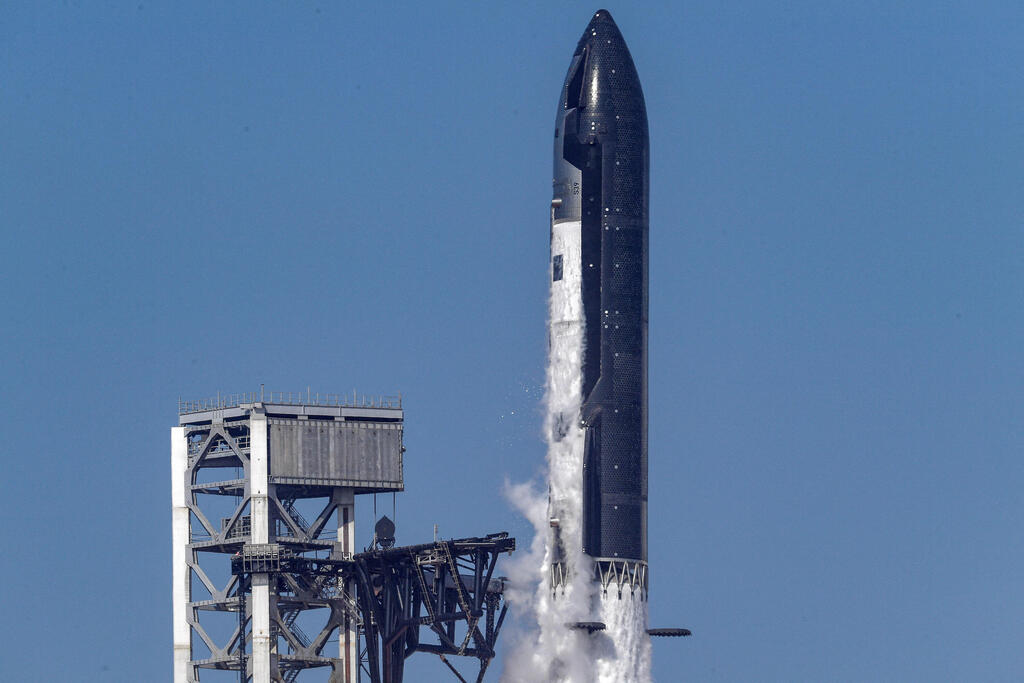
New Starship model
(Photo: REUTERS/Steve Nesius)
A new spacecraft with many challenges
The third generation of the Starship system is effectively a largely new spacecraft and launch vehicle. Both the ship and booster are slightly larger than the previous version. The main innovation is the new and improved Raptor 3 engines, which are both more powerful and lighter. Additional upgrades to the booster include changes to the structure and placement of grid fins, modifications to the fuel delivery system and improvements to heat shields. In the spacecraft itself, the propulsion system was redesigned, the fuel tank was enlarged, changes were made to the control system of the flaps and the payload deployment system was improved.
In a first test flight, full success across all objectives is not expected, but overall the new Starship appears to have met most of them. The launch proceeded smoothly, the spacecraft flew on its intended trajectory, deployed its payload as planned and performed well during reentry and landing maneuvers. The engine malfunction demonstrated that it can still operate with one engine down, compensating with the remaining engines.
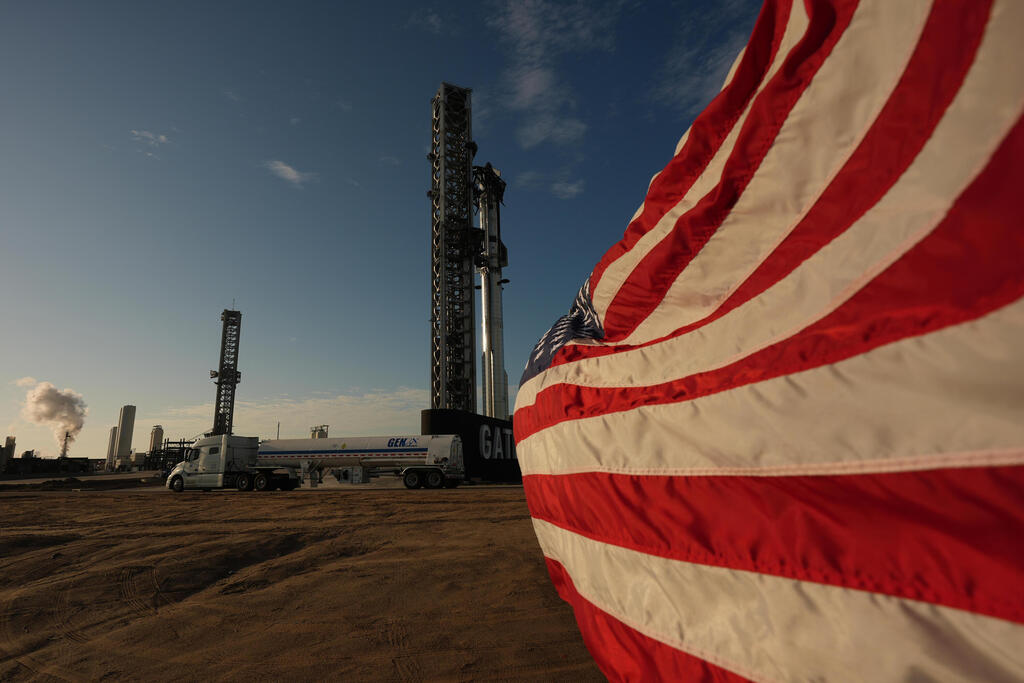
SpaceX
(Photo: Eric gay/AP)
The main disappointment was the failure of the booster landing maneuver. This likely means that on the next launch SpaceX will again attempt a sea landing before trying once more for a catch landing on the launch tower, this time with the new version. The cause of the failure is believed to be an explosion in one of the booster’s engines shortly after separation from the spacecraft, which likely damaged nearby engines and disabled them. A flash can be seen in footage from the spacecraft as the booster tumbles shortly after separation.
Despite the progress in the program, many challenges remain. Starship is competing with Blue Origin’s “Blue Moon” to become the first lunar lander to return astronauts to the Moon under NASA’s Artemis program. NASA expects them to demonstrate an uncrewed docking mission with its Orion spacecraft in Earth orbit as early as next year, followed by an uncrewed lunar landing and a crewed landing by the end of 2028.
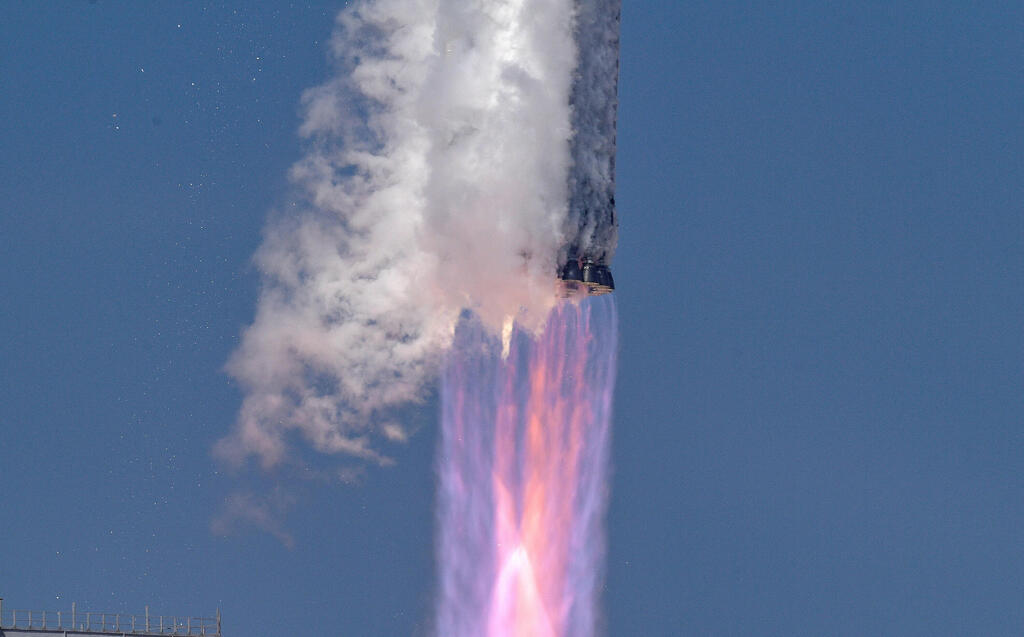
Starship flight test 11
(Photo: REUTERS/Steve Nesius)
To meet these goals, SpaceX will need to soon demonstrate orbital Starship flights, including in-orbit maneuvering and engine relights required for reentry. It will also need to demonstrate docking with another Starship and in-orbit refueling, since its lunar lander mission architecture depends on multiple refueling operations in Earth orbit. If it aims to meet its own goals as well, it will attempt to land boosters on the tower catch system, and later land the spacecraft itself, realizing its vision of a fully reusable launch system with rapid turnaround. To stay on NASA’s timeline, SpaceX will need to quickly validate these steps, making further Starship launches likely in the coming months.