

One in four Israelis is considering using artificial intelligence tools to help decide how to vote in the upcoming election, according to a new survey published Sunday by the Israel Internet Association.
The survey also found that 71% of respondents had encountered false information, or “fake news,” connected to the election campaign, while 57% said they had come across fake or impersonating accounts. About half reported seeing AI used to attack or smear another person.
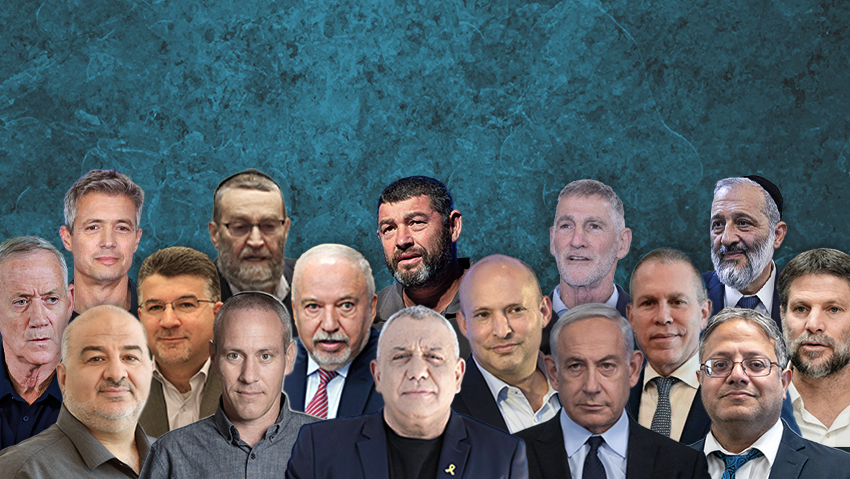
(Photo: Yuval Hen, Alex Kolomoisky, Oz Moalem, Shalev Shalom, Yair Sagi, Ryan Preuss, Ariel Hermoni/Defense Ministry, Moti Kimchi, Amit Shabi)
The survey was conducted by the Geocartography research group among 1,005 respondents, in a broad sample designed to represent the Israeli population.
The findings also point to widespread concern about the tone of the campaign online. About 70% of respondents said they were concerned to a large or very large extent that political discourse surrounding the election could lead to increased violence on social media and other digital platforms.
Roughly 70% said they encountered false election-related information either frequently or occasionally, while only about 15% said they had not encountered it at all. More than half also reported seeing fake accounts or online impersonation.
The survey found similar exposure across the political spectrum. About 73% of respondents identifying with the right said they had encountered election disinformation, compared with roughly 70% among both centrist and left-wing respondents.
The Israel Internet Association said the findings show that impersonation, disinformation and harmful uses of AI have become routine features of the online environment, with concern that the election campaign could intensify those risks and cause them to reinforce one another.
The organization recommends checking who is behind a report, relying on authoritative sources, comparing information across multiple outlets and verifying publication dates and context before sharing or acting on claims.
It also cautioned voters against treating AI systems and chatbots as neutral authorities. While such tools can help users learn about issues and compare candidates or party positions, the association said AI-generated answers can be inaccurate, outdated or incomplete, confuse fact with interpretation, omit important context or even invent facts, quotations and sources that appear credible.
Dr. Shaked Davran Zivan, the association’s coordinator for digital literacy and online safety, said a free and fair election depends not only on citizens’ ability to vote but also on their ability to make decisions based on reliable information.
“AI tools can help us understand the issues on the agenda and compare the positions of parties and candidates, but we must not rely on them blindly,” she said. “It is important to check the sources, cross-check information, think critically and, in the end, form our own position.”