

Generative AI solved one problem for brands: it made visual content easier to create. It also created a new one. Marketing visuals can now be produced faster and at a much larger scale, but still fail in a different way: by looking as if they came from the same machine as everyone else’s.
The first wave of AI adoption in marketing was about efficiency. Images, product visuals, social assets and campaign materials that once required photographers, designers, agencies and post-production teams can now be generated far faster than before. But abundance changes the problem. If more companies rely on similar models, similar prompts and similar visual conventions, the output can begin to converge.

The question for brands is shifting from whether they can produce more content to whether the content still looks like it belongs to them.
Artfair by Bria approaches that question through the creative source behind the image. Rather than starting from a broad image model, the platform is built around licensed artist styles. It lets agencies and companies create work using the approved visual style of a participating artist.
The underlying idea is simple: if AI is going to use an artist’s style, the artist should help shape the model built around it. Artists work with Bria to train and fine-tune models on approved works that reflect their own visual language, so the result is tied to a known creative source rather than a generic visual system.
Founded in 2020, Bria is led by founder and CEO Dr. Yair Adato and has raised $65 million from investors including Red Dot Capital, Entrée Capital, GFT Ventures, Intel Capital, In-Venture and Maor Investments. The company develops visual AI models and tools for professional use, with an emphasis on licensed training data, attribution and creator compensation.
A recent example came through Cathay Pacific’s “Asia Just Got Closer” campaign, developed with Publicis London. The campaign was built around illustrator Oliver Barrett’s visual style and brought into the physical world through a large mural in East London. It also extended online, where people could create their own destination-inspired artwork in Barrett’s style.
The Cathay Pacific example points to a broader change behind Artfair: an artist’s style is no longer only a source of inspiration for a single campaign. It can become part of the production process itself.
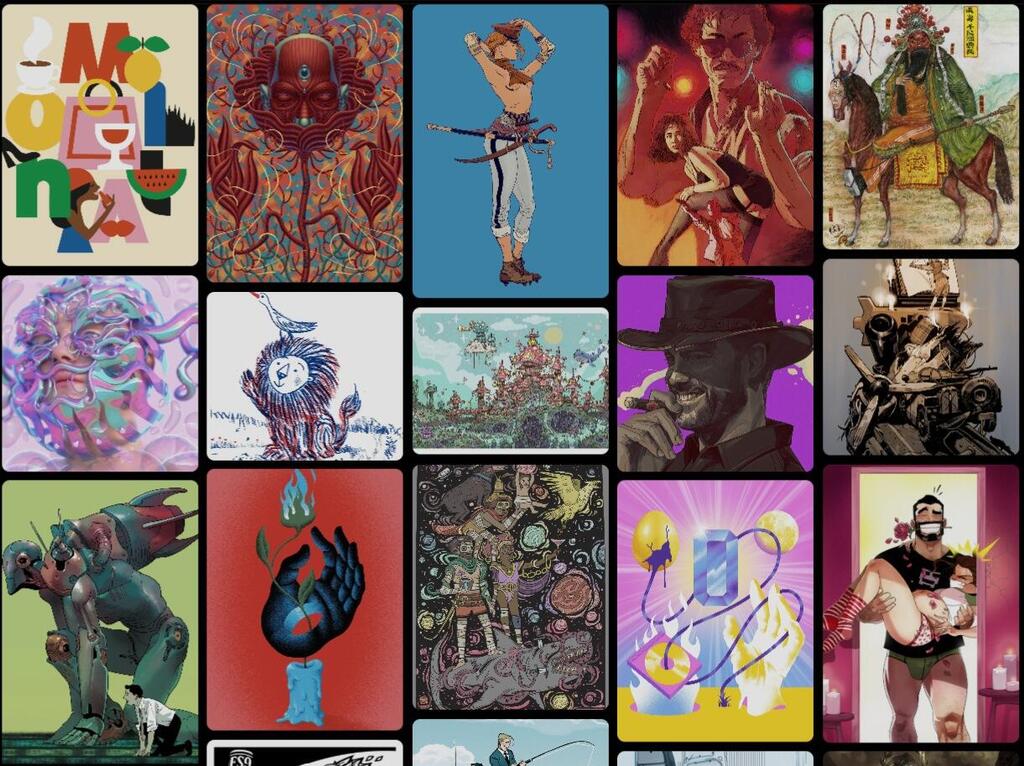
Artfair by Bria
In this model, the artist remains part of the creative chain from the start. A visual language built over years can be used in a defined commercial context, with the artist involved in curating the work used to shape the model, setting the terms of use and sharing in the value it creates. For the companies using it, the work remains tied to a known creative source rather than generic AI output.
Bria’s view is that this connection is what makes the model suitable for professional creative work. Permission, attribution and compensation are not side issues. They are the framework that keeps the artist, the brand and the technology connected.
As AI moves deeper into creative work, the first question was whether it could generate usable content. The next question is what should remain under control when creating or editing that content becomes easier.
For companies, that may be the harder stage of AI adoption. Producing more visuals is becoming easier. Making sure those visuals have a clear source, follow the right rules and still carry a point of view is a different problem. That may become the next test for visual AI: not how much it can create, but whether the work it helps produce is something a company can recognize as its own, trust and stand behind.
First published: 07:54, 06.18.26