

A jury found both Meta and YouTube liable in a first-of-its-kind lawsuit that aimed to hold social media platforms responsible for harm to children using their services, awarding the plaintiff $3 million in damages.
After more than 40 hours of deliberation over nine days, California jurors decided Meta and YouTube were negligent in the design or operation of their platforms. The jury also found each company’s negligence was a substantial factor in causing harm to the plaintiff, a 20-year-old woman who said her use of social media as a child led to addiction and worsened her mental health struggles.
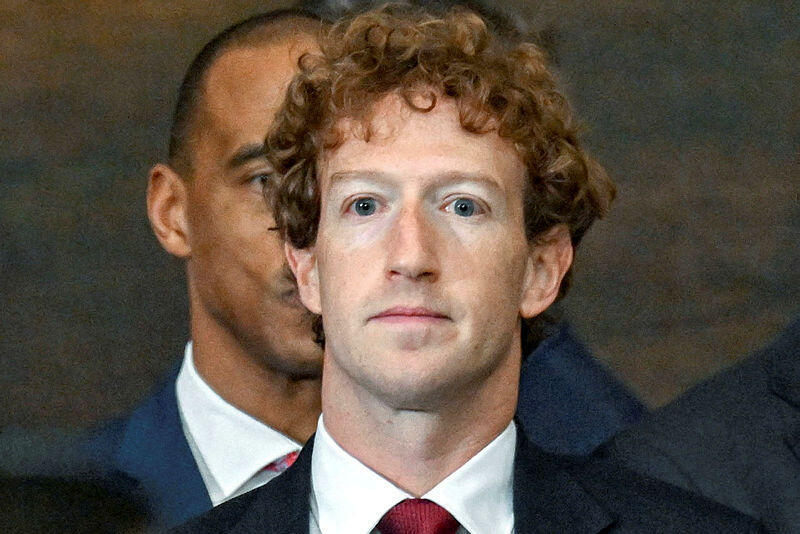
(Photo: Reuters/Kenny Holston)
This is the second verdict this week against Meta, after a jury in New Mexico determined the company harms children’s mental health and safety, violating state law.
The multimillion-dollar verdict could increase, as the jury found the companies acted with malice, oppression or fraud. Jurors will now hear additional evidence before deciding on punitive damages.
Both Meta and YouTube said they disagree with the verdict and plan to explore legal options, including appeals.
Google spokesman Jose Castañeda said the case “misunderstands YouTube, which is a responsibly built streaming platform, not a social media site.”
The jury found that Meta and YouTube knew their platforms’ design or operation was dangerous, or likely to be dangerous, when used by minors. It also determined the companies failed to adequately warn users, contributing to the plaintiff’s harm.
Only nine of the 12 jurors were required to agree on each claim. Two jurors consistently disagreed with the majority on whether the companies should be held liable.
Jurors assigned greater responsibility to Meta, which they said bore 70% of the blame, while YouTube was assigned 30%. The plaintiff was identified by her initials, KGM.
Meta and Google-owned YouTube were the remaining defendants after TikTok and Snap settled before the trial began.
Jurors heard about a month of arguments, testimony and evidence, including from the plaintiff — referred to as Kaley — as well as Meta executives Mark Zuckerberg and Adam Mosseri. YouTube CEO Neal Mohan did not testify.
Kaley said she began using YouTube at age 6 and Instagram at age 9, and told jurors she was on social media “all day long” as a child.
Her lawyers argued that platform features were designed to “hook” young users, citing infinite scrolling, autoplay and notifications as addictive elements.
Jurors were instructed not to consider the content Kaley viewed, as tech companies are shielded from liability for user-generated content under Section 230 of the 1996 Communications Decency Act.
Meta argued Kaley’s mental health struggles were unrelated to social media use, pointing to her home life and noting that none of her therapists identified social media as the cause. However, the plaintiffs only needed to prove it was a “substantial factor” in her harm.
YouTube focused on arguing it is not a social media platform but a video service similar to television, and highlighted a decline in Kaley’s usage over time. Company data showed she averaged about one minute per day on YouTube Shorts after its 2020 launch.
Both companies pointed to safety tools and controls available to users.
The case is one of several selected as a bellwether trial, meaning its outcome could influence thousands of similar lawsuits against social media companies.
A separate case in New Mexico, brought by the state’s attorney general, focused on alleged harms to children including sexual solicitations uncovered by investigators posing as minors online.
The Los Angeles case involved a single plaintiff who argued that platform design features were intentionally addictive, particularly for young users.
Kaley’s case and others like it are expected to shape broader legal battles over social media, potentially leading to large-scale settlements similar to those seen in cases involving tobacco and opioids.