

Could artificial intelligence finally end our addiction to smartphones?
After apps designed to stop us from staring at our screens hundreds of times a day failed to deliver, some of the very tech companies responsible for our dependence are now trying to break it.

The iPhone of AI
It could begin later this year, and unfold on several fronts at once. The most talked-about project is OpenAI’s small, screenless device designed by former Apple chief designer Jony Ive. According to reports, it is intended to be nothing less than the “iPhone of AI.”
A September 2023 report said Ive and OpenAI CEO Sam Altman partnered with SoftBank CEO Masayoshi Son to establish a fund of more than $1 billion to finance the project.
Altman has not denied the reports. In an interview with Bloomberg, he said the planned device is not intended to replace the iPhone. He argued that just as smartphones did not eliminate laptops, OpenAI’s first product is unlikely to make smartphones obsolete, describing it instead as an entirely new category of device.
At the same time, recent reports say Apple is quietly developing a mysterious wearable pin, smart glasses and AI-powered AirPods, while Meta has been promoting its Orion augmented reality glasses since 2024.

Sam Altman and Jony Ive
(Photo: OpenAI)
Is this the big moment for wearables?
Since 2007, no device has conquered the world like the smartphone, which rendered separate music and video players obsolete and packed laptop-level capabilities into a 3.5-inch screen that fits in the palm of a hand.
So far, efforts to turn smart glasses into a smartphone replacement have repeatedly fallen short. Startups that introduced ambitious AI devices, such as Humane’s AI Pin and the Rabbit R1, have struggled. Another device, the AI Friend pendant, which offered little beyond sending reminders and did not even include web search, was widely mocked and sold only a few thousand units. Ive called such efforts “very poor products,” saying they lacked new ways of thinking.
The lesson appears clear: To succeed, new AI devices cannot simply replicate what smartphones already do. They must prove they offer a reliable solution to a meaningful everyday problem.
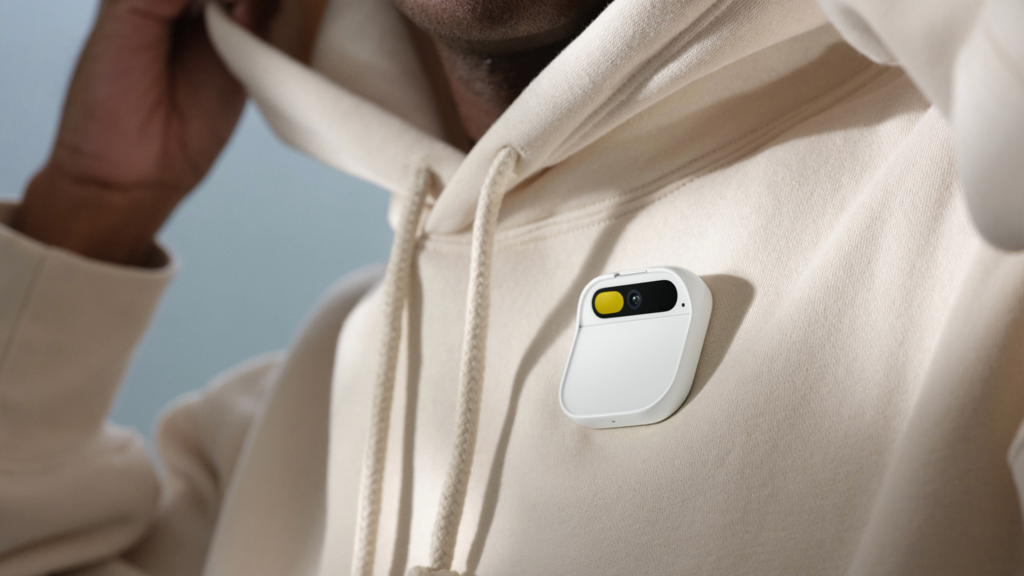
Humane AI Pin
(Photo: Humane)
Plenty of questions
Today, we rely on screens to perform tasks. AI-based wearables could instead carry out autonomous actions, such as recording a meeting and automatically sending follow-up emails or messages to participants.
On the other hand, such devices could listen to private conversations with family and friends, potentially straining relationships. Wearing microphones and cameras during social interactions could also make others uncomfortable.
OpenAI says its planned AI device will present its technology in a way designed to ease such concerns. Altman said the experience of using it should resemble sitting in a quiet lakeside cabin, conveying a sense of calm and tranquility.
He says the device will have “awareness of every aspect of our lives,” enabling it to determine the best time to send notifications without making users feel constantly monitored.
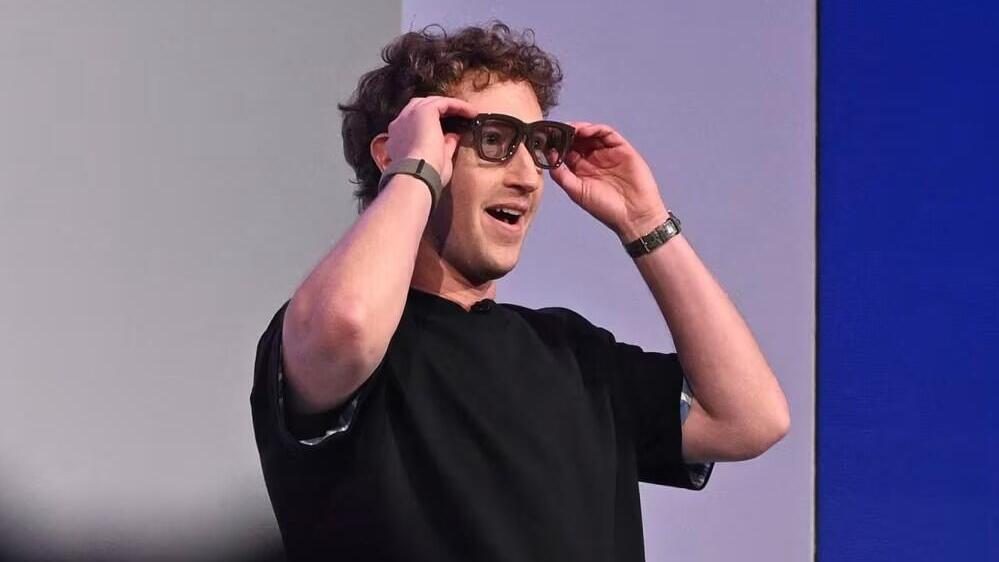
Meta CEO Mark Zuckerberg with the company’s Orion glasses
(Photo: Nic Coury/AP)
An inflated image
Some analysts argue that part of the problem with consumer AI devices stems from the inflated image surrounding the technology — the idea that it can “do everything” and be used for anything. That perception, they say, can feel overwhelming.
Jason Low, an analyst at the research firm Omdia, told Business Insider that AI wearables must be comfortable, integrate with existing products and offer a clear advantage to users.
Examples include glasses that provide real-time translation, smartwatches that track fitness and health, or smart rings, which are gaining popularity, particularly among women, for the health insights they provide.
In the search for balance in our tech-driven lives, the screen itself may not be the core problem. Much of what draws us back to smartphones are unnecessary notifications designed to lure us into reopening apps.
Without screens, there is no endless scrolling on TikTok or Instagram, forcing app developers and companies to find new ways to reach us. At the same time, wearable AI will have to deliver genuinely useful innovations if it hopes to persuade users to give up their smartphones.