

These retailers, all part of the Electra Group, account for roughly 20% of mobile phone sales in Israel. Statistically, their sales patterns reflect those of other major chains.
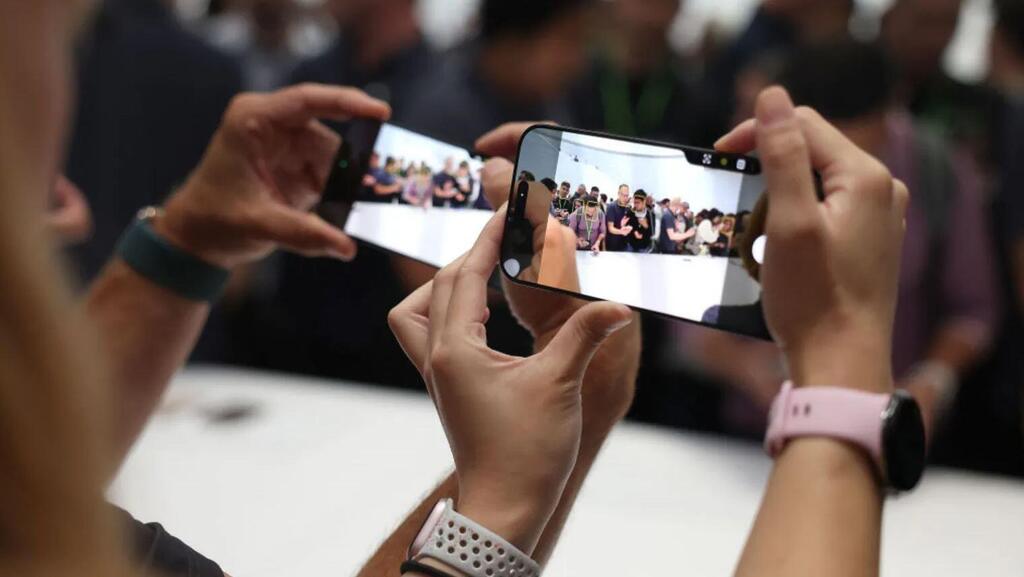
Premium models on the rise
According to the data, the average amount Israelis spent on a new smartphone this year rose by 7% compared to last year, reaching approximately 2,430 shekels (around $650). That figure is significantly higher than the global average of about 1,180 shekels and exceeds the European average, which ranges from 1,750 to 2,070 shekels. However, it remains lower than the U.S. average of roughly 3,190 shekels.
Continuing a trend of recent years, sales of high-end premium devices in Israel grew again in 2025, now making up 36% of the local market. Apple and Samsung remain the dominant brands, though iPhone sales rose by 11% compared to last year, while Samsung sales dropped by about 8%. Xiaomi also saw a decline.
Despite the increase in average spending, actual phone prices fell for most leading brands. The average price of an iPhone dropped 4% to 4,358 shekels, the average Samsung Galaxy price fell 8% to 2,185 shekels and Xiaomi's average price declined 4% to 957 shekels.
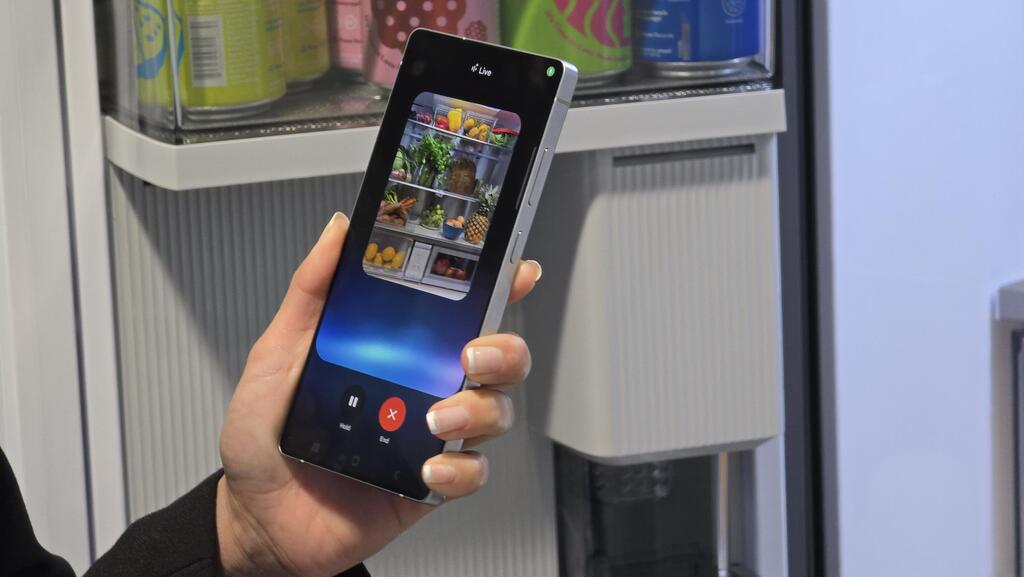
Samsung’s Galaxy S25
(Photo: Raphael Kahan)
Liron Katz, VP development manager and head of digital operations at Mahsanei Hashmal, noted rising demand for premium and advanced mid-range devices, which increasingly function as full-fledged work tools, akin to personal computers. “The mid-range category still leads with a 43% market share, but the gap with premium phones has narrowed to just 9%,” he said.
Phones priced between 500 and 1,000 shekels now make up 13% of the market, while budget models under 500 shekels account for 8%. Electra’s data also show that about 15% of customers buying new smartphones do so through trade-in deals. Among iPhone buyers, 60% choose to extend their device warranty to three years, compared to 41% of Samsung buyers.
For the fourth consecutive year, the city of Eilat topped the list of smartphone sales per capita. Be'er Sheva ranked second, followed by Tel Aviv, the Haifa Bay area and Petah Tikva. In Tel Aviv, iPhones and Xiaomi phones are most popular, while in Be'er Sheva, Samsung devices dominate.