

The Seychelles, one of the Indian Ocean’s most sought-after exotic destinations, is now under a Level 2 travel notice from the U.S. Centers for Disease Control and Prevention (CDC) due to an outbreak of chikungunya.
The Level 2 alert — “Practice Enhanced Precautions” — does not advise against travel but calls for increased caution, particularly to avoid mosquito bites.
Gallery

The Seychelles, one of the Indian Ocean’s most sought-after exotic destinations
(Photo: Frederick Millett / Shutterstock)
In its notice, the CDC stated that “there is a chikungunya outbreak in Seychelles,” urging travelers to use insect repellent, wear long sleeves and pants, and stay in air-conditioned accommodations or places with window and door screens. The agency noted that death from the disease is rare, but there is no specific treatment for the virus.
Currently, Air Seychelles is the only airline operating regular direct flights from Israel to the islands. Other carriers, such as Arkia, are expected to resume direct service around April ahead of the Passover holiday. Travelers willing to make a stopover can fly with Ethiopian Airlines, Emirates or Etihad.
Seychelles is presently in its hot, rainy season, characterized by high humidity and short but intense tropical downpours. The cooler, drier season begins in May. Nonetheless, the weather remains tropical and inviting year-round, with average temperatures ranging between 26°C and 31°C (79°F–88°F) and generally calm seas that are ideal for diving.
The warning in Seychelles comes amid a broader wave of outbreaks worldwide in recent months. In late July, the World Health Organization (WHO) warned of renewed spread of the virus from India and Indian Ocean islands toward Africa, Asia, and Europe. France has reported hundreds of imported cases since May, along with dozens of locally transmitted infections in the south. Italy has also reported its first locally acquired case.
Earlier this month, China reported its largest-ever mainland chikungunya outbreak, with more than 7,700 cases in Guangdong province in the south. According to reports, local authorities have implemented extensive measures — from mosquito spraying and eliminating standing water to unusual enforcement steps — in an effort to curb the spread.
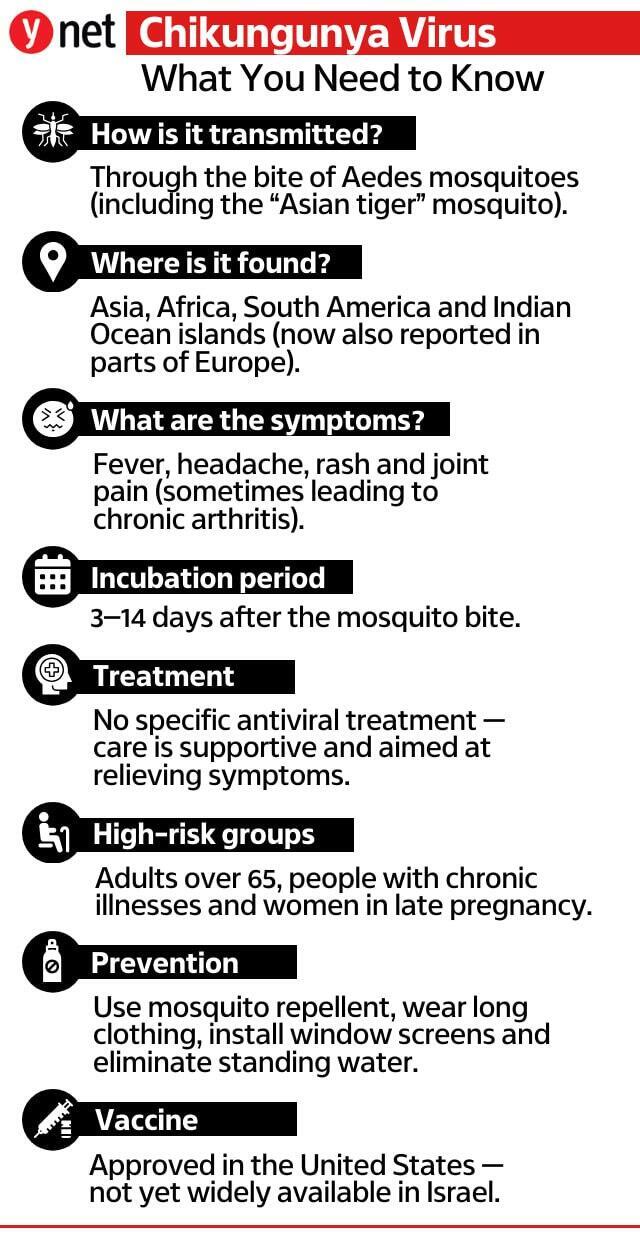
Chikungunya is transmitted by Aedes mosquitoes, including the Asian tiger mosquito. It typically causes high fever and severe joint pain three to seven days after a bite. Additional symptoms may include headaches, muscle aches, joint swelling, or rash. Most patients recover within about a week, but some may suffer from debilitating joint pain that can last for months or even years. The disease is rarely fatal, but there is no targeted treatment, and care is supportive only.
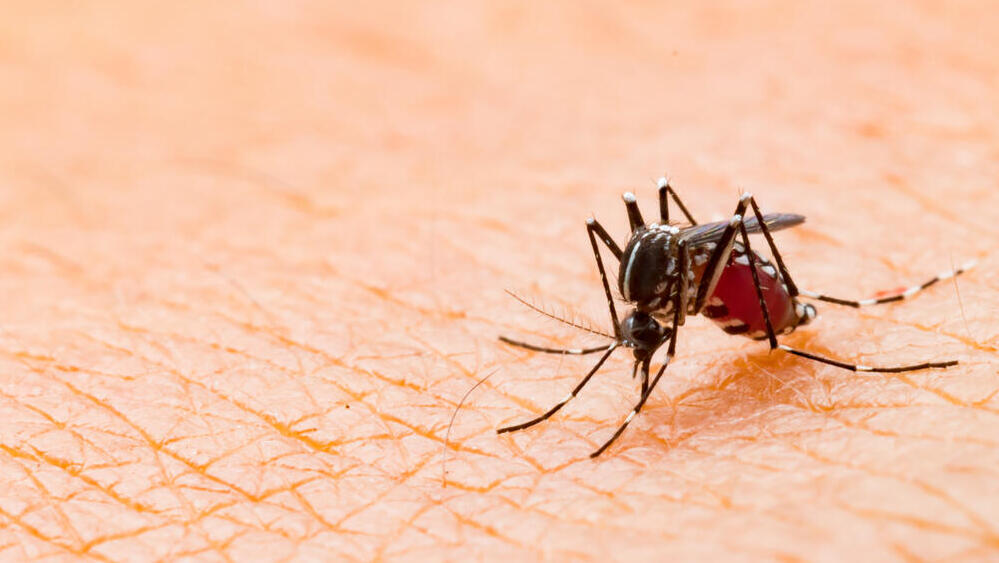
Chikungunya is transmitted by Aedes mosquitoes, including the Asian tiger mosquito
(Photo: Shutterstock)
In a late July interview with ynet, Professor Eyal Leshem, an infectious disease specialist at Sheba Medical Center, said that between five and 10 cases of chikungunya are diagnosed in Israel each year — so far all among travelers returning from abroad. However, he emphasized that the mosquito species that transmits the virus is also present in Israel: “Just as it happened in Italy or France — it could happen here as well.”
Populations at higher risk for severe illness include adults aged 65 and older, individuals with underlying medical conditions, and women in advanced stages of pregnancy. Health authorities recommend preventing mosquito bites by using repellents, wearing long clothing, installing screens, and reducing standing water around homes. Two chikungunya vaccines have been approved in the United States, but they have not yet been widely introduced in Israel.