

The Yehudiya Forest Reserve is the largest nature reserve in the Golan Heights and seems to have everything: water-rich streams, high waterfalls, deep canyons, lagoons and pools, volcanic formations, rare flowers and abundant wildlife, all within a vast grove of Mount Tabor oaks stretching sparsely between Katzrin and the Sea of Galilee.
Looking for a wet hiking route, a swim in a natural pool, a flower trail, a camping experience or even an adrenaline-filled rappel route? Here is the full guide.
A trip through the streams in the Yehudiya Forest Reserve in the Golan
(Video: Rinat Russo and George Norkin)


Yehudiya Forest Reserve: rivers, canyons and wildlife
Yehudiya Nature Reserve is the largest nature reserve in the Golan Heights, cut through by deep streams, led by the Yehudiya, Zavitan, Meshushim and Daliyot streams. These waterways flow year-round and form an important part of the Lake Kinneret watershed. The canyon cliffs are home to birds of prey, including vultures.
The forest is relatively sparse compared to the Mediterranean woodland of the Galilee, Carmel and Judean Hills, but each tree is well developed, with some oaks reaching up to eight meters in height.
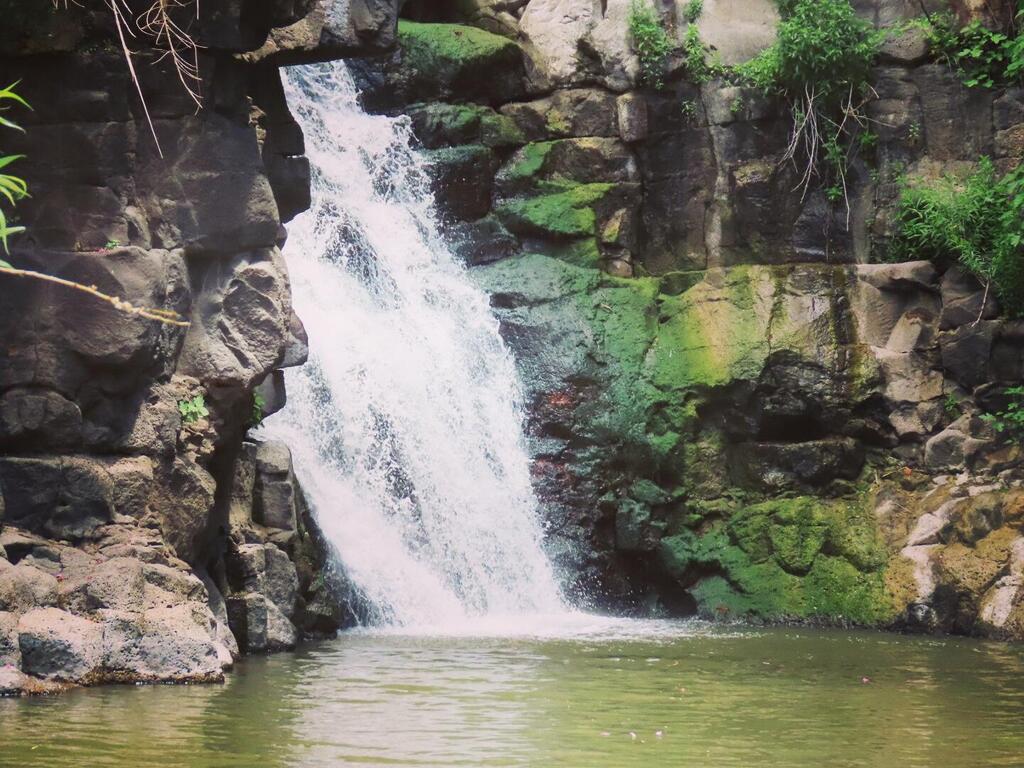
At the end of the 19th century, the forest suffered extensive logging under Ottoman rule and only in recent years has it begun to recover. Wildlife in the area includes gazelles, wild boars, jackals, foxes and even wolves.
Yehudiya Stream and the abandoned village ruins
The famous Yehudiya canyon may be familiar to those, who visited Israel before, but about three years ago the Israel Nature and Parks Authority closed the old route due to recurring rockfalls that endangered hikers. For those missing the clear pools, a new and safer trail was marked in the upper Yehudiya Stream.
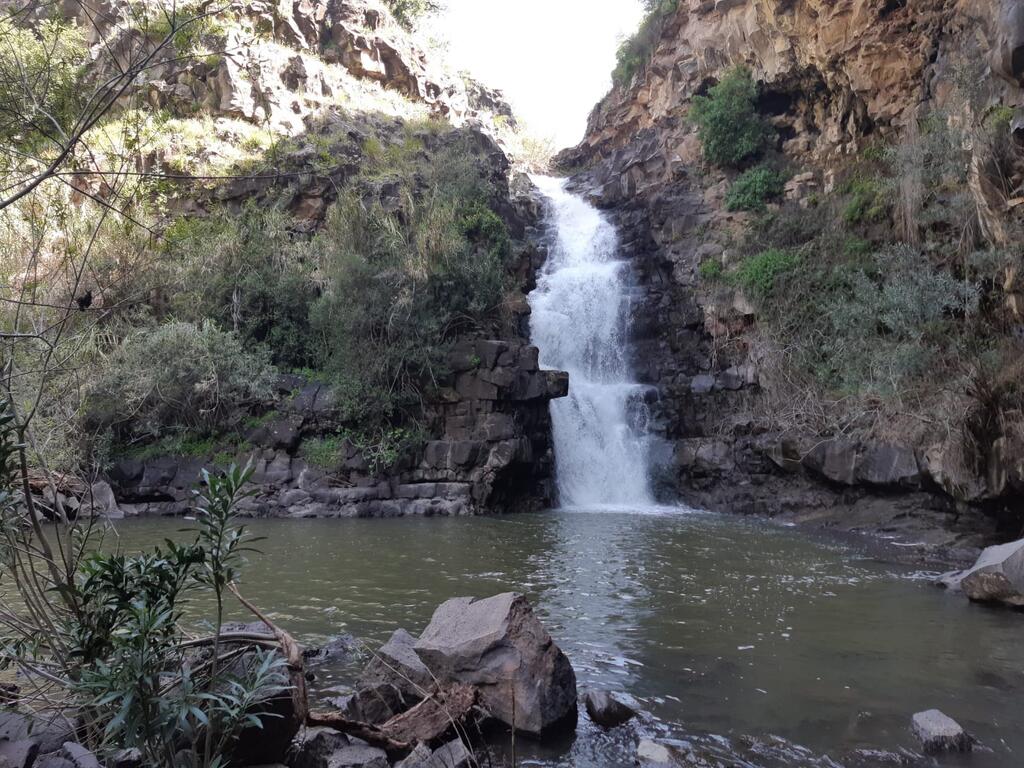
Yehudiya Waterfall
(Photo: George Norkin, Israel Nature and Parks Authority)
Hikers can choose between a long circular route or a short trail directly to Yehudiya Waterfall and its pool. Both routes start at Yehudiya parking area, descend stairs from the information station and turn right toward the southern parking lot.
The trail passes under Highway 87 toward Katzrin and through a cattle gate, reaching the ruins of the village of Yehudiya. Before continuing, it is highly recommended to take a short green-marked loop through the ruins, which also offers a viewpoint over the canyon.
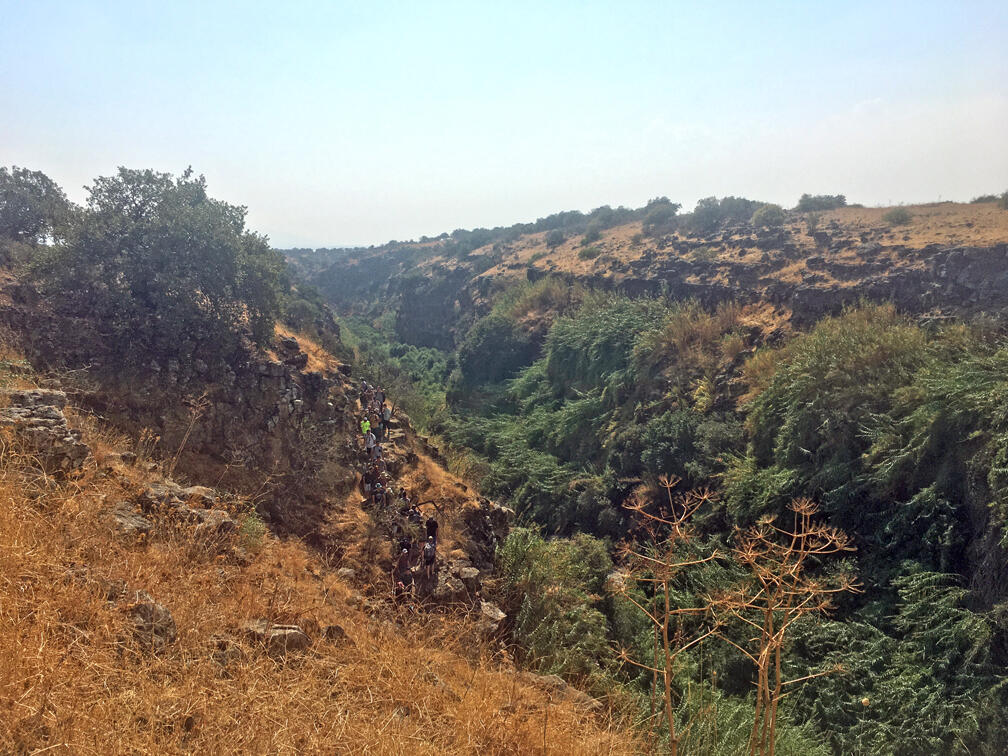
One of the canyons in the Yehudiya Forest Reserve
(Photo: Gilad Carmeli)
The name Yehudiya is unusual for an Arab village. The Syrians apparently thought so too and renamed it “Yarabiya.” Among the abandoned houses are reused stones from ancient structures and occasional architectural remnants. In the Mishnah and Talmud period, a Jewish settlement existed here.
After the village loop, the red trail continues along the riverbank until it meets a black-marked path after about one kilometer, where the route splits.
The short route continues down the red trail directly to Yehudiya Waterfall and its pool. The descent is relatively short but includes steep sections and stone steps near the end.
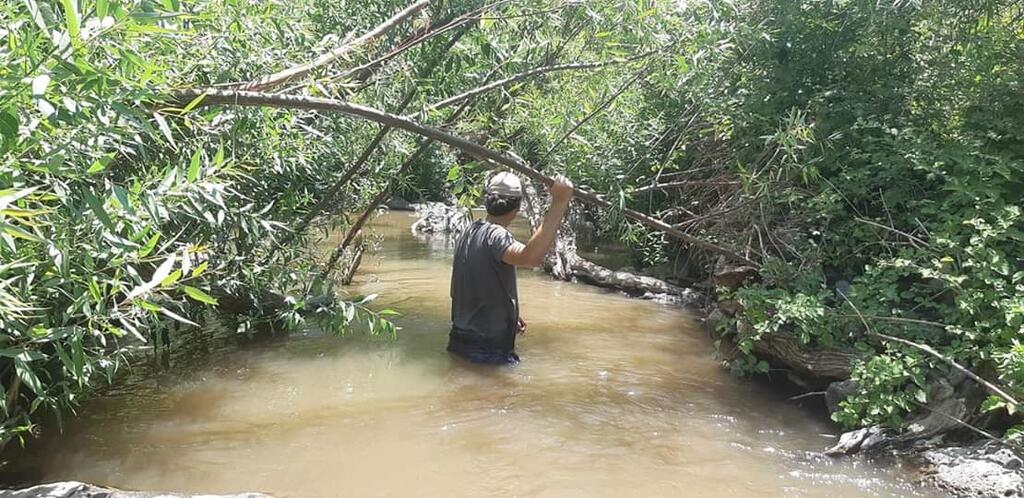
A trip to the Yehudiya River
(Photo: Sarit Peltzi-Miara, Nature and Parks Authority)
The long route continues on the black trail toward Upper Yehudiya Stream. After a short walk along the cliff, hikers descend into the stream bed, where the wet section begins: about half a kilometer of walking in water and swimming in shallow pools.
Parents with small children should note a bypass route marked by the Ministry of Education sign, allowing avoidance of walking in the water for children under ten or anyone who prefers to stay dry.
Eventually, the black trail reconnects with the red trail, which leads down to Yehudiya Waterfall, a 20-meter drop into a natural pool surrounded by oleander, willow and fig trees. Swimming is possible here before returning to the parking area.
Zavitan Stream and the upper route
Zavitan Stream is one of the most beautiful streams in the Golan. Its upper route offers experienced hikers the Hexagon Pools, deep clear basins alongside impressive basalt cliffs resembling the famous Meshushim Pool.
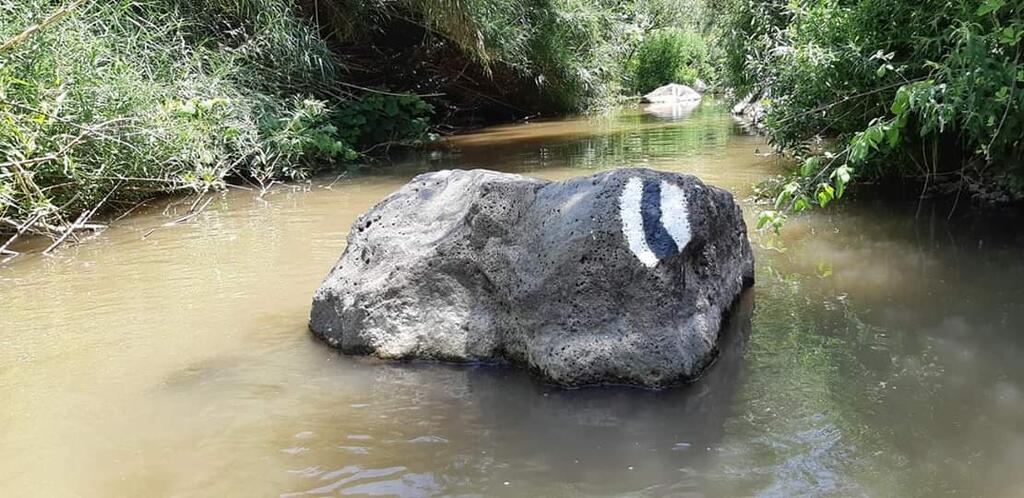
The wet trail in Yehudiya river
(Photo: Sarit Peltzi-Miara, Nature and Parks Authority)
The trail begins at Sheikh Hussein parking area, reached via a rough asphalt road connecting it to Yehudiya parking. From there, a blue-marked dirt road leads to the ruins of Sheikh Hussein village, then north onto a black-marked trail.
After about half an hour, the trail crosses the stream and meets a red-marked path. Turning left leads down toward the Hexagonal Pool. After swimming, the trail continues to a viewpoint overlooking Zavitan Waterfall.
As of May 2026, access to the waterfall itself is closed due to a fire in the reserve. The descent, when open, leads to two large pools about eight meters deep.
Hikers may notice a sign for the “Black Gorge,” the middle section of Zavitan Canyon, where passage is possible only by rappelling. This section is currently also closed due to fire damage.
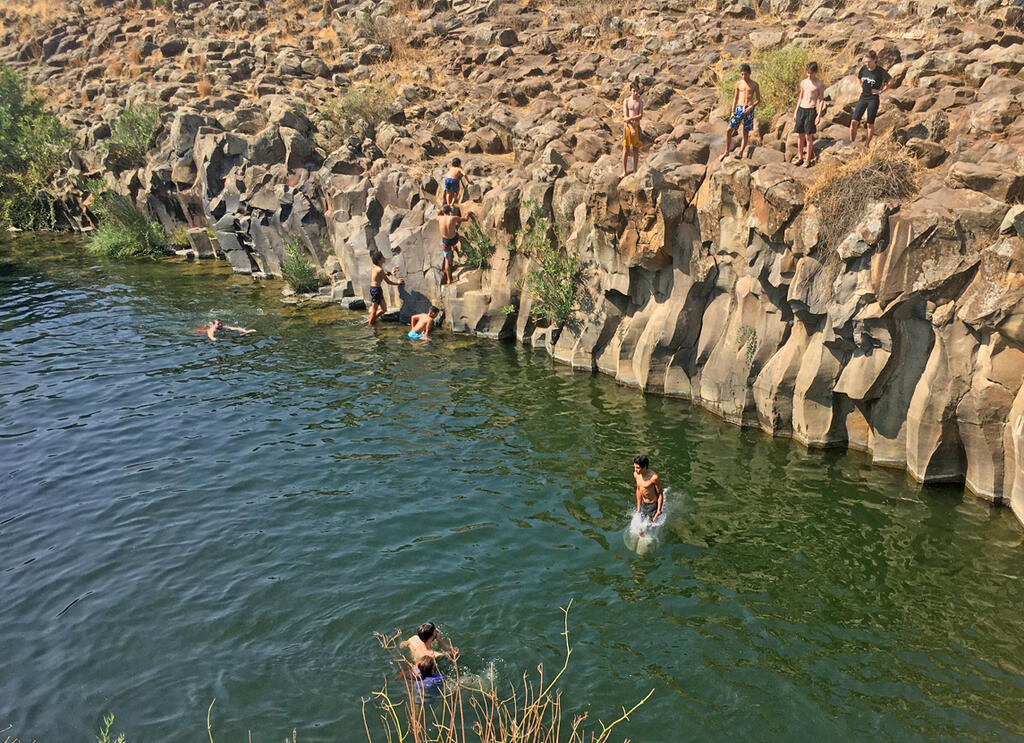
Hexagonal Pools
(Photo: Gilad Carmeli)
The Black Gorge is one of the only places in Israel where canyoning in a flowing stream is possible, featuring large pools, ladders and rock steps carved into dark basalt.
Meshushim Pool
Meshushim Stream Nature Reserve is the northernmost stream in the Yehudiya reserve. Like the others, it forms a basalt canyon with waterfalls and pools. Its highlight is the famous Meshushim Pool, which is easier and shorter to reach, making it suitable even on hot summer days.
The pool is surrounded by hexagonal basalt columns formed by slow-cooling lava. When molten rock solidifies slowly and evenly, it creates a hexagonal shape.
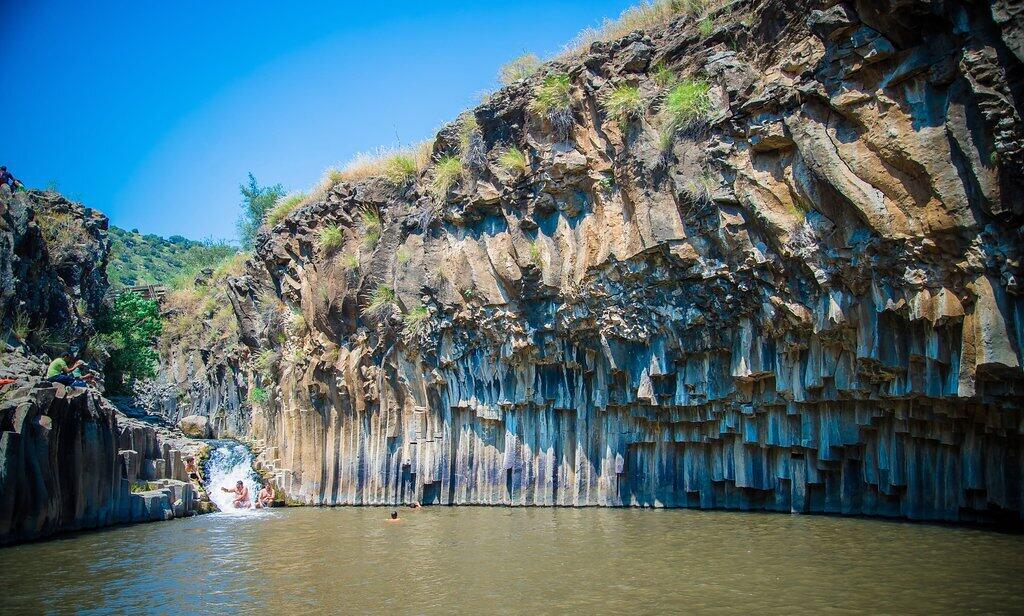
Hexagonal Pools
(Photo: Manu Grinspan, Nature and Parks Authority)
The classic trail is the “Pool Trail,” about two kilometers long through Mount Tabor oak trees, ending at the pool. It takes about 20 minutes downhill and 30 minutes uphill.
Before reaching the pool, hikers can detour to a small bridge over the stream for a view of the rushing water below.
Experienced hikers can take an alternative 3-kilometer stream trail along the riverbank, involving rope-assisted climbing sections.
Lagoons at the stream estuaries
The Zavitan and Yehudiya streams merge within the reserve and flow together toward the Sea of Galilee, forming part of the Bethsaida Valley, also known as the Beit Zida region. Further south, the Daliyot Stream also flows into the Sea of Galilee.
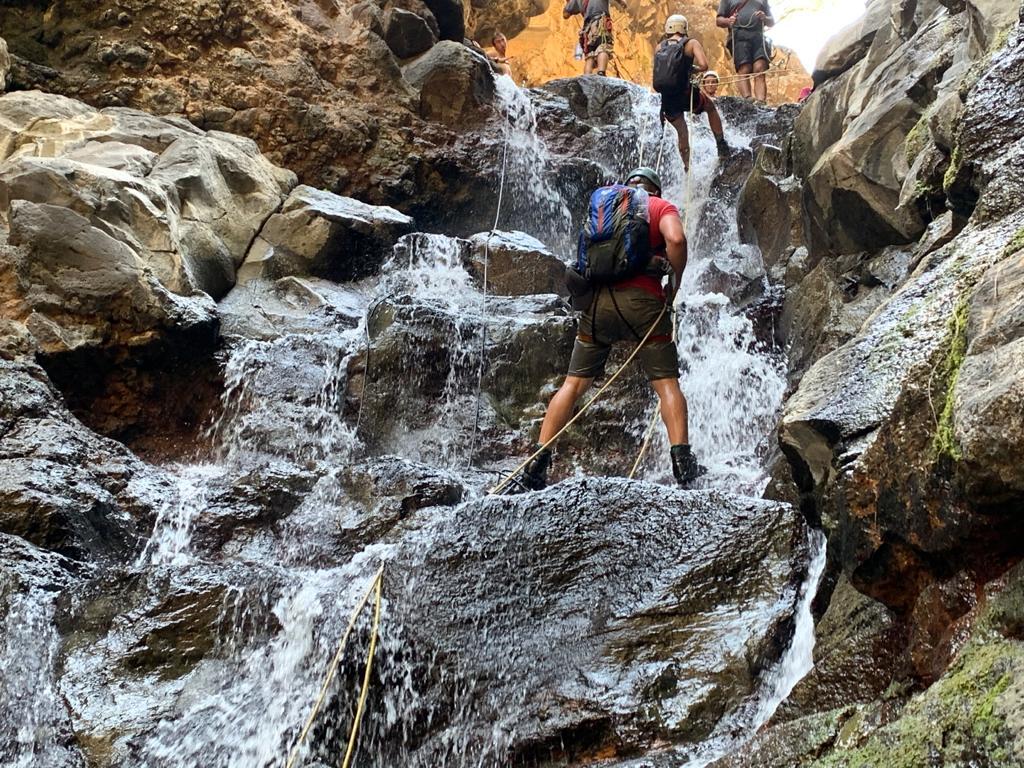
Rappelling in the Black Canyon in Zavitan Stream
(Photo: Rinat Russo, Nature and Parks Authority)
The estuaries create unique lagoons, the only place in Israel where natural wetland landscapes have been preserved without disturbance. These lagoons serve as an important habitat for fish during the spawning season and are protected as a nature reserve.
At the Daliyot estuary lies one of the most enjoyable wet hikes in Israel: the Majrase trail.
Majrase Nature Reserve features an 800-meter walk through flowing water, with a dry return path for those who prefer to stay dry.
Water depth varies by season and rainfall, often reaching waist height. After about 300 meters, the channel widens into a swimmable pool where visitors can rest in the water even under the hot sun.
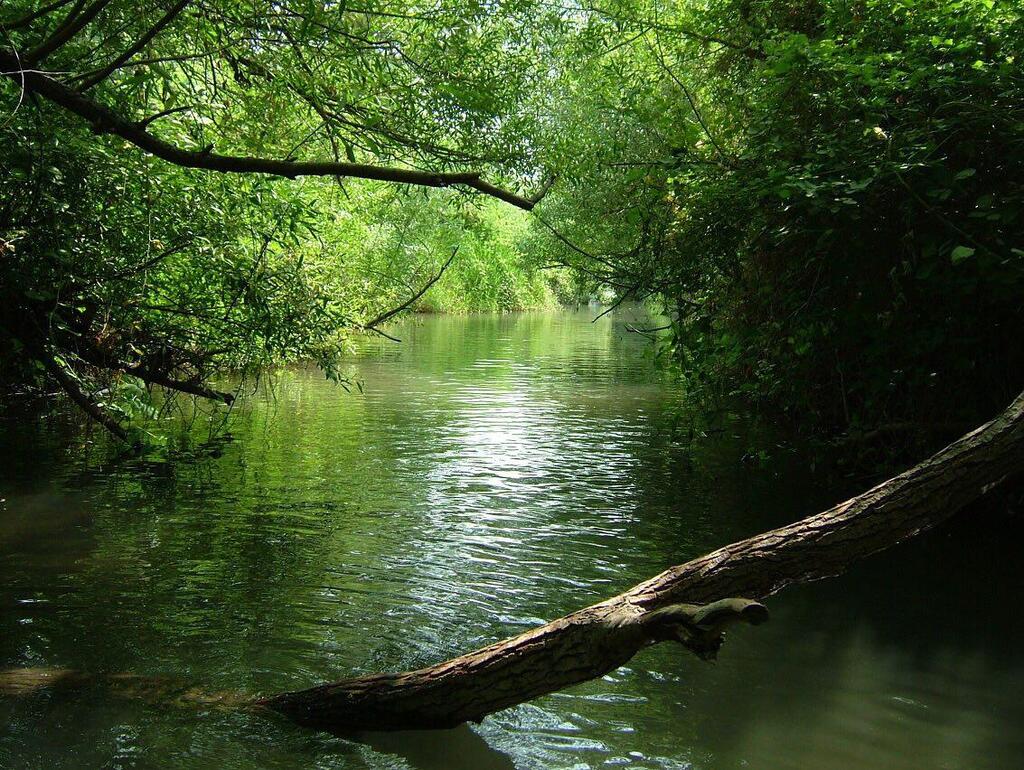
Majrase Nature Reserve
(Photo: Dubi Zakkai)
The Yehudiya and Meshushim estuaries form the “Zaki” area, offering a more challenging wet trail with deeper water and sections requiring swimming. The green-marked route ends at a lagoon near a water pump, with a dry return path along a black-marked trail.
The Zaki route is free and does not require advance registration. However, it may close late in summer when water flow weakens and grazing cattle affect water quality.
Camping in the reserve
Those who want to start early or stay overnight between hikes can use the organized campsite in the reserve, which offers true field camping in private tents.
Facilities include lighting, hot showers, toilets, a field kitchen with sinks and refrigerators, picnic tables, drinking water stations, barbecue areas and even charging points for mobile phones.
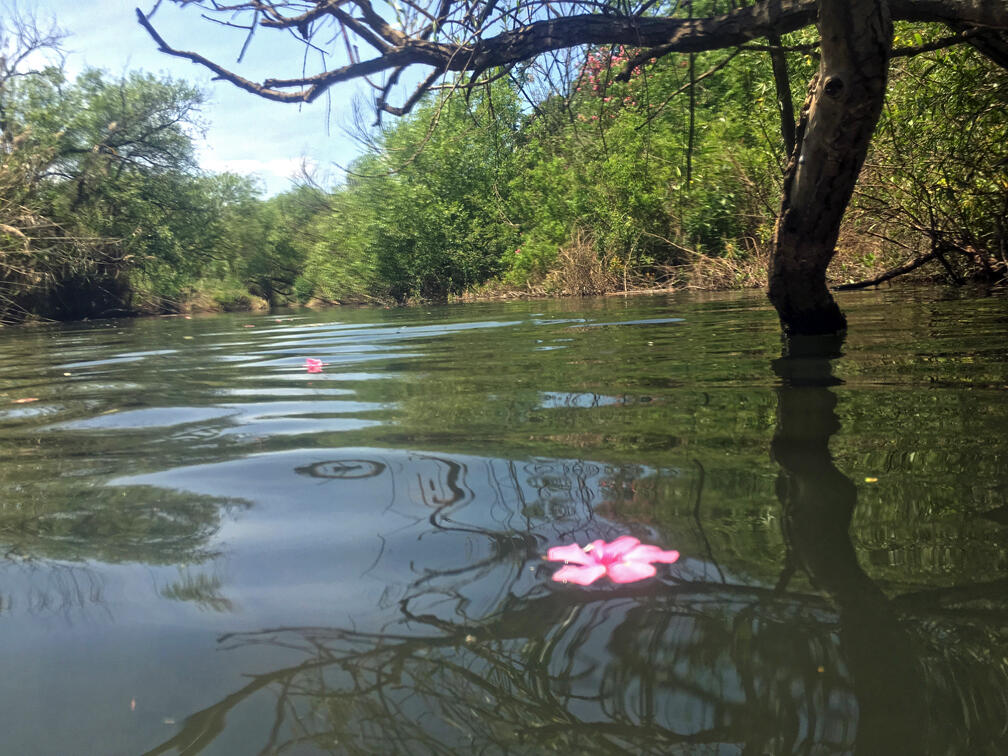
Majrase trail
(Photo: Gilad Carmeli)
No dogs are allowed, and generators or loudspeakers are prohibited. Fires are not permitted.
Important information
All wet trails require swimming ability. Life jackets or flotation devices are recommended for children. Expect to walk with all belongings through water, sometimes up to waist level, so items should be waterproofed in advance. Suitable water shoes are essential; flip-flops are not allowed.
Water quality is tested regularly by the Ministry of Health and the Environmental Protection Ministry. If contamination is detected, swimming is not recommended. Check updates before arrival.
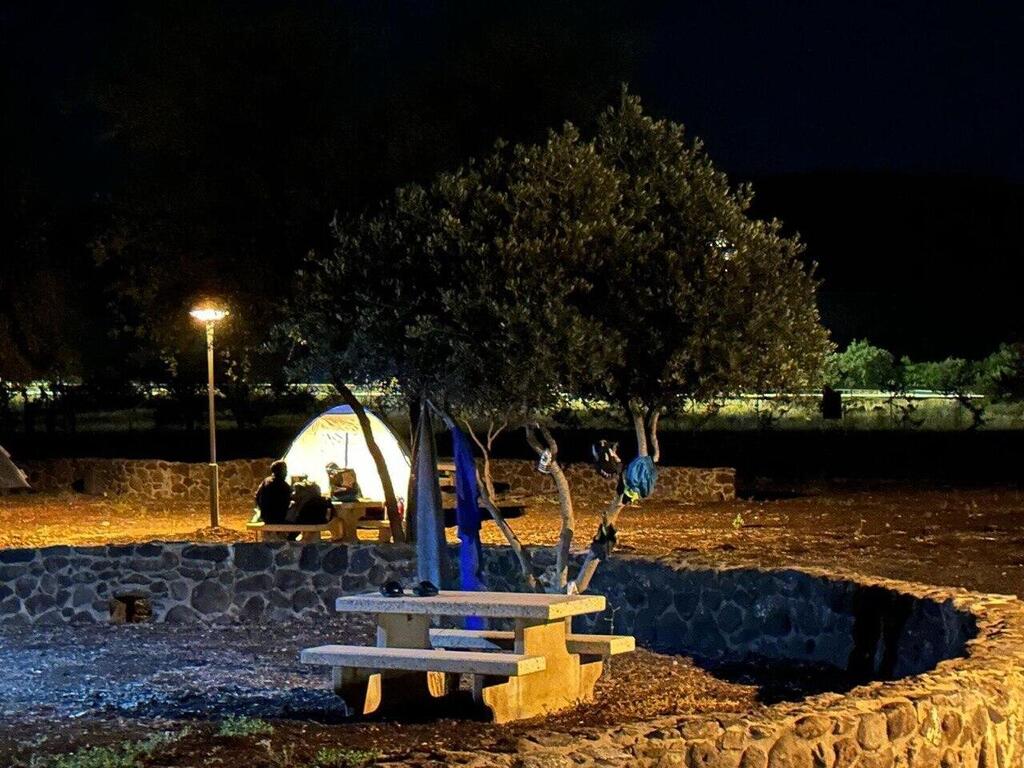
Overnight parking lot in the Yehudiya Forest Reserve
(Photo: Limor Katan Friedman, Israel Nature and Parks Authority)
Entry is allowed from one hour after sunrise until one hour before sunset. Hikes must be completed before dark. Visitors must stay on marked trails, avoid cliffs and never deviate from paths due to nearby minefields in parts of the Golan.
No litter bins are available. Visitors must carry out all waste. Fires are allowed only in designated camping areas. Pets are not allowed anywhere in the reserve.