

One of the main goals of the average tourist visiting a foreign country is to avoid being an average tourist at all costs. That means avoiding tourist traps and trying to eat, spend time, drink coffee or alcohol "where the locals go."
If you are in China and have already checked off the Great Wall, the Forbidden City, the Temple of Heaven and the panda conservation centers, and you want something truly "local," enter the weekly lottery that draws hundreds of thousands of applicants. The prize for the winners is a 60-minute guided tour, alongside dozens of equally thrilled visitors, of Xiaomi’s manufacturing plant on the outskirts of Beijing.
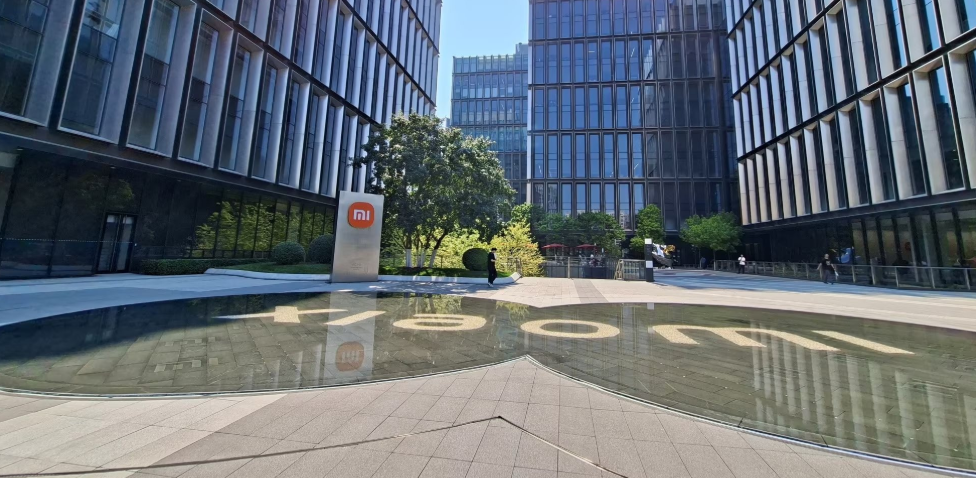
Sounds exaggerated? Some people are willing to fly to Beijing solely for this experience for their children. The free factory tours are sold on the black market for as much as $300, underscoring the intensity of Xiaomi’s fan base.
A monthlong wait for a spot
The frenzy around Xiaomi began in February, when 10,000 units of the Xiaomi SU7 Ultra vehicle were ordered within two hours of its launch. The surge of interest pushed "factory tourism" to new heights, with tens of thousands signing up to witness the cutting-edge technologies behind the sleek electric vehicle.
The wait for an available spot is at least a month. During peak demand, access is determined by a strict lottery system governed by supply and demand. About 100,000 people sign up for 200 tours, each limited to 20 visitors. That scarcity also explains the prices on the black market.
The tour is divided into two parts. The first is a 40-minute ride in small vehicles through a vast space that resembles a high-tech exhibition hall. It is followed by a 20-minute tour in which visitors independently explore the production floor through test rides and close observation of about 100 workers overseeing nearly 700 robots, machines and robotic arms.
Using advanced technologies, Xiaomi, China’s largest smartphone maker, can produce a car every 76 seconds, positioning itself as a serious challenger to BYD and Tesla in the electric vehicle market.
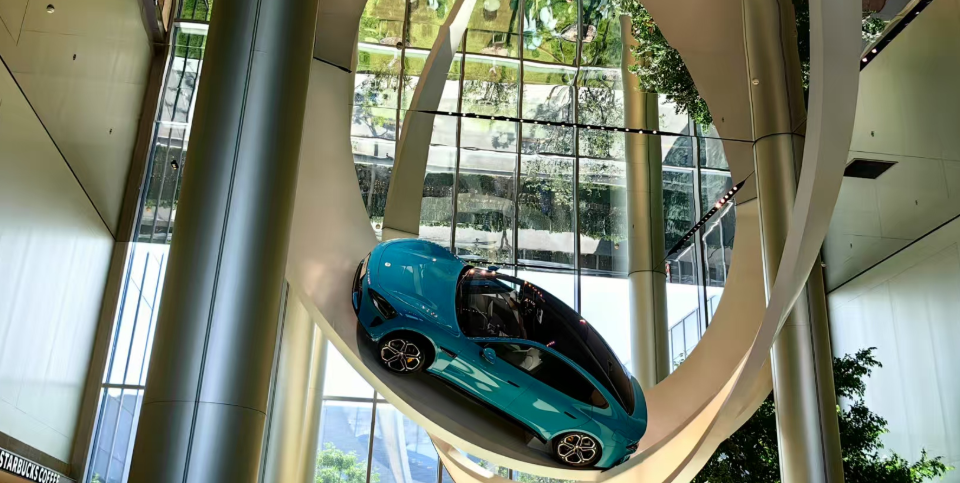
Xiaomi’s plant in Beijing
(Photo: X)
Those attending the tours include engineering and technology enthusiasts, social media influencers, young couples and tourists. The largest group, however, consists of women known in China as "tiger moms," who want to impress both themselves and their children with the country’s technological capabilities, while sparking an early fascination with technology. Only children aged six and older are allowed on the tours.
Deepening the brand
Despite Xiaomi’s enormous success in the smartphone market and the expansion of its product lineup, which includes earbuds, robotic vacuum cleaners, smartwatches, and air purifiers, company executives were dissatisfied with relying on third-party suppliers for most components. They compared the production process to assembling Lego blocks.
The company invested heavily in research and development, aiming to produce devices built almost entirely from components manufactured in its own facilities.
The factory designed to support that vision was built five years ago. The first test was with smartphones. After years of selling mass-market devices, Xiaomi introduced a premium foldable phone. The first model was released in 2024, and sales over the following year were explosive.

Xiaomi T15 Pro
(Photo: Raphael Kahan)
The move reflects China’s broader rise in the global economy. Until a few years ago, China was primarily a low-cost manufacturing base for international brands and a supplier of raw materials. Over time, it absorbed technological know-how, trained vast numbers of engineers and logistics experts, and became a producer of Chinese brands that increasingly define an export-driven economy.
From the gleaming, automated production halls capable of producing cars at astonishing speed, a new industry has emerged: factory tourism. It serves both as a point of national pride for the Communist Party leadership and as part of a broader plan projecting 20 million annual visitors to such factories by 2027.
For Xiaomi, turning its production lines into a kind of theme park delivers a clear advantage. China’s electric vehicle market is fiercely competitive. Opening the factory to visitors helps build brand loyalty among parents while introducing the product and brand to future generations of consumers.
A Cinderella story
“This is a very different experience from what I usually do with my children,” one mother told the website China Car News. “We go to playgrounds, zoos, theaters or nature trips, but here they get something completely different. They see how cars are born behind the scenes. They see robots. Cars racing along tracks. It stimulates all the senses and there is not a single boring moment.”
For years, Xiaomi viewed Apple as its business role model. While it succeeded in gaining a foothold in the smartphone market, it also managed, unlike Apple, to break into the electric vehicle sector. It did so by building a highly efficient and deeply automated manufacturing plant.
The overwhelming demand to witness a factory capable of producing a car every minute and a quarter prompted Xiaomi to expand tours to weekends and to open special visiting windows for investors, primarily from the U.S.
It is a remarkable Cinderella story. A company that began by producing and distributing inexpensive smartphones and household gadgets has, through ambition and innovation, moved into the big leagues.
The model remains the same: a futuristic factory that produces nearly all of the vehicle’s components in-house, giving Xiaomi control over quality and pricing, and allowing it to compete aggressively in the electric vehicle market.
Xiaomi has built a temple to electric car manufacturing. Now, the pilgrims are arriving.