

If you are planning your next vacation based on a destination’s cost, it may be time to update your list. A new Deutsche Bank report examining living costs in 69 cities around the world points to a major shift in the global price map: cities once considered expensive have become more affordable, others have climbed the rankings and Tel Aviv continues to rank among the world’s most expensive cities in several categories.
The report’s main conclusion is that the global cost-of-living map has changed significantly over the past decade. Researchers say a combination of currency fluctuations, wage growth, inflation and changes in local economies has reshaped the balance between cities that were long viewed as expensive or cheap, meaning assumptions that held true a decade ago – and in some cases before the COVID-19 pandemic – are no longer valid.
Gallery
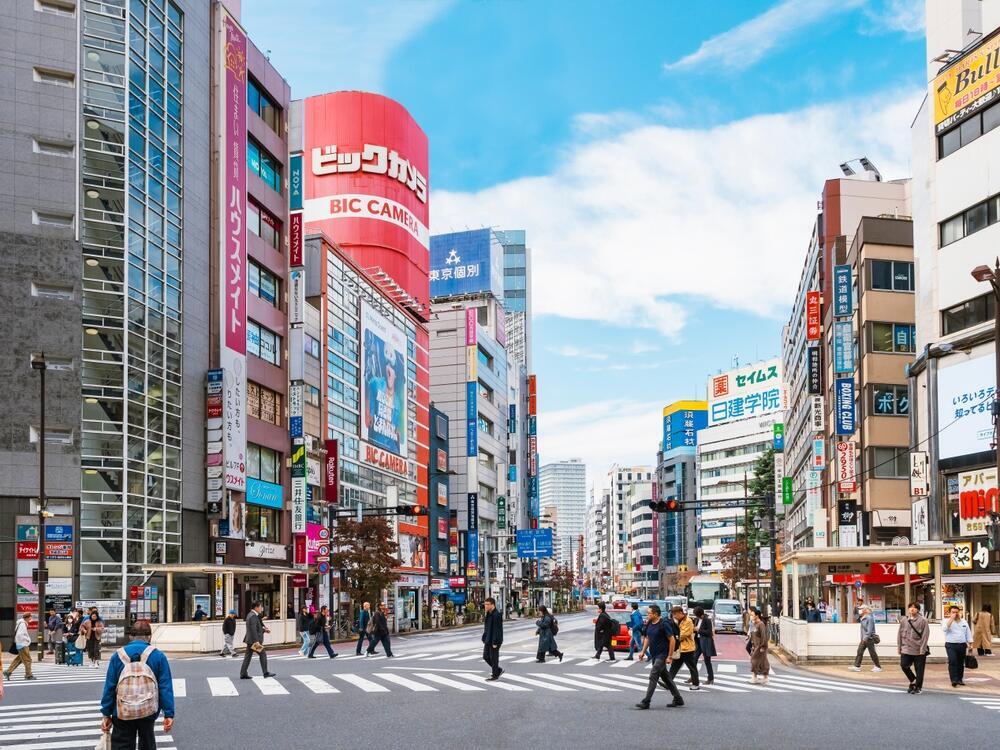
or years, Japan’s capital was considered one of the most expensive cities in the world
(Photo: VTT Studio / shutterstock)
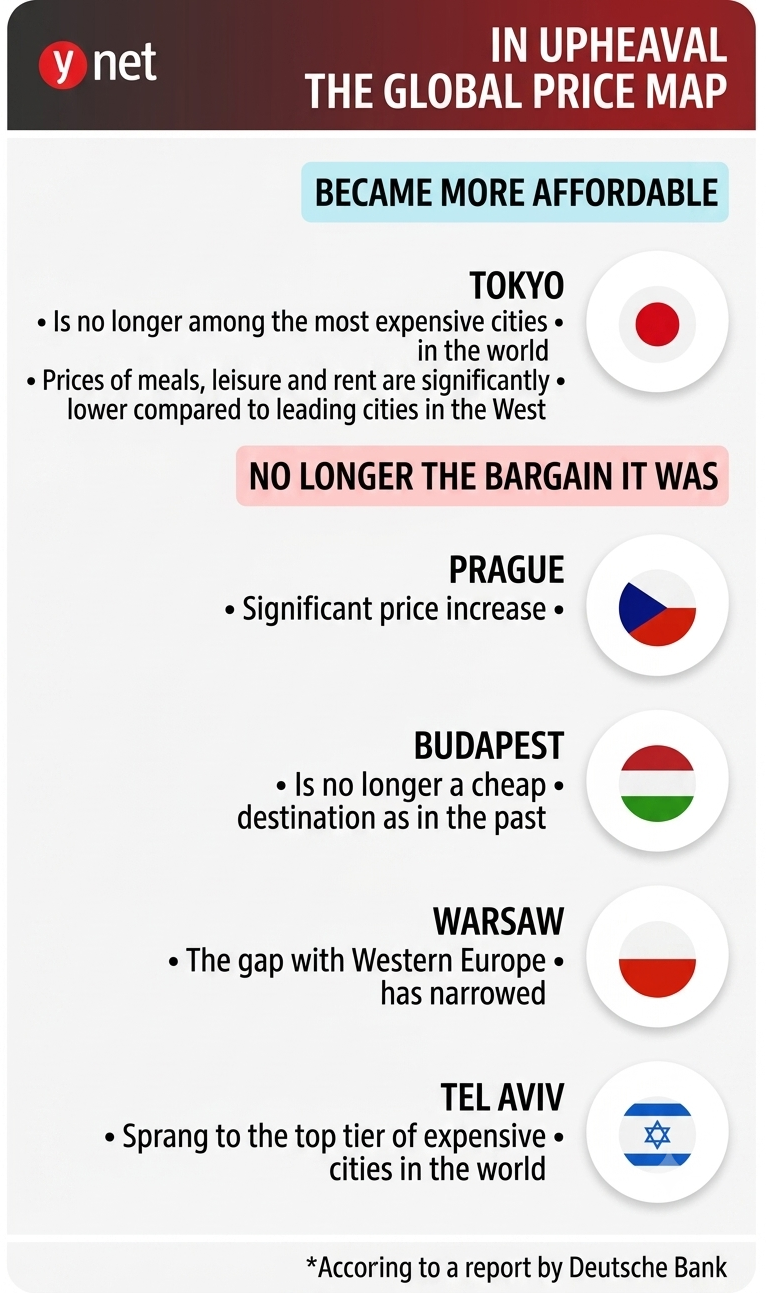
One of the most notable examples is Tokyo. For years, Japan’s capital was considered one of the most expensive cities in the world, but according to the report it has become one of the more affordable cities among developed economies. Deutsche Bank noted that prices for meals, entertainment, rent and many everyday products are now significantly lower than in leading European and North American cities, partly due to the yen’s weakening in recent years. For travelers, this means Japan is no longer necessarily the expensive destination many still believe it to be.
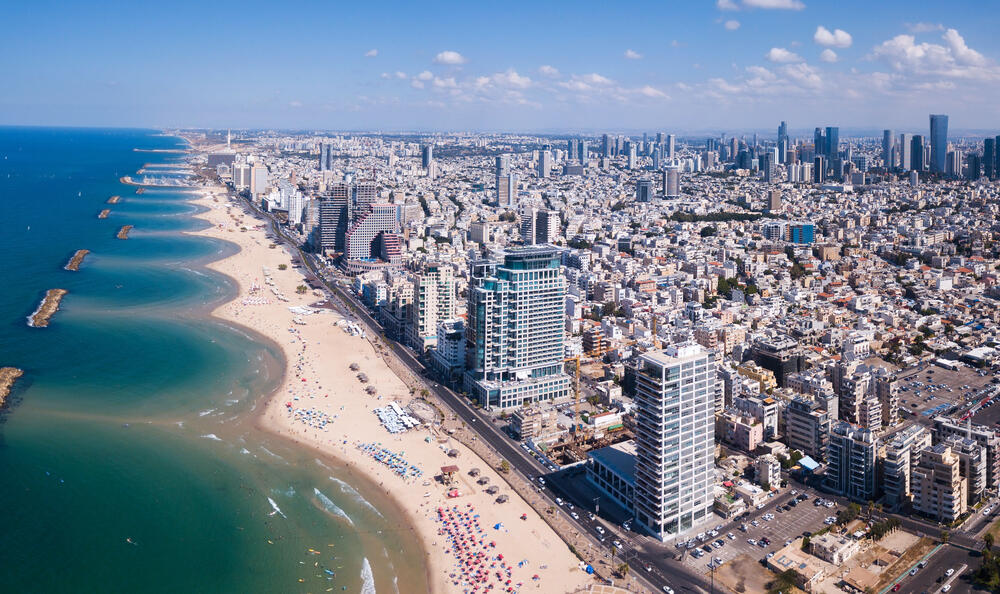
The report highlights a sharp rise in average wages in Tel Aviv
(Photo: shutterstock)
Alongside cost-of-living data, the report highlights a sharp rise in average wages in Tel Aviv. The city climbed to 12th place globally for average net income after tax, jumping 10 spots in one year. Deutsche Bank said Tel Aviv recorded one of the highest wage growth rates among the cities surveyed over the past decade.
At the same time, Tel Aviv continues to rank among the world’s most expensive cities. The report found that the city ranks first globally for the price of a McDonald’s meal, third for the cost of a “cheap date,” fourth for a dinner for two at a restaurant and second for gasoline, electricity, water and car prices.
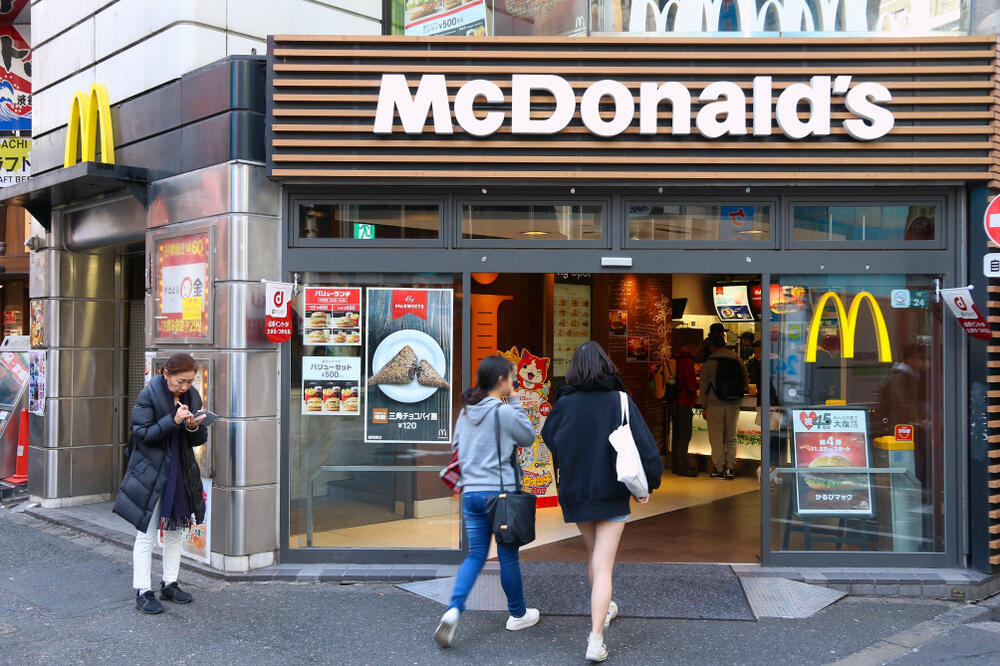
Tel Aviv ranked first globally for the price of a McDonald’s meal
(Photo: Tupungato / shutterstock)
Central Europe is also no longer the budget-friendly weekend destination it once was. Cities such as Prague, Budapest and Warsaw, once considered especially affordable destinations for tourists, have become significantly more expensive over the past decade due to rising wages, stronger local currencies and inflation. According to researchers, the gap between these cities and Western European destinations has narrowed considerably.
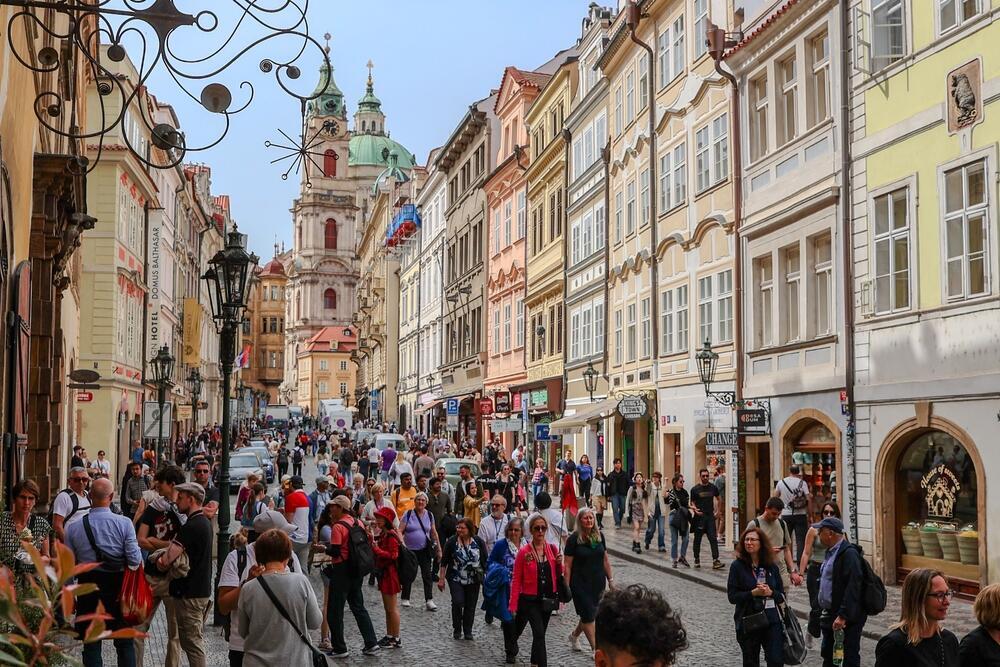
Central Europe is also no longer the budget-friendly weekend destination it once was
(Photo: MagioreStock / shutterstock)
The report also reveals several notable price differences that may interest travelers. Japan is the cheapest country among those surveyed for buying an iPhone 17 Pro, while Turkey is the most expensive, partly due to high taxes. Coffee lovers will pay the most for a cappuccino in Zurich, while in Milan the price is more than two-thirds lower. Travelers relying on public transportation will pay the highest prices in London, while public transport in Luxembourg remains free.
Luxembourg once again tops the quality-of-life ranking, followed by Copenhagen, Amsterdam, Vienna and Munich. Zurich and Geneva continue to lead the list of the world’s most expensive cities, while New York remains the most expensive city for rent.