

Lonely Planet, one of the world’s best-known travel guide publishers, has released its list of standout destinations for 2027: 50 countries, cities, regions and places around the world that its editors believe are worth putting on travelers’ radar for the coming year. The list is not ranked, with each destination selected for a different experience it offers.
According to Lonely Planet, the selections are based on the personal experiences of writers and editors who have visited the destinations. Each place is accompanied by the name of the person recommending it and the reason for the choice, ranging from nature and scenery to food, culture, history or simply the opportunity to discover a place that remains off the usual tourist routes.
From the 50 recommendations, we selected eight that particularly caught our attention. Some are in well-known countries but far from the usual tourist trail, while others are destinations many readers may not have encountered before. From Sweden’s beaches and the volcanoes of the Caribbean to tropical islands off West Africa, here are eight worth discovering.
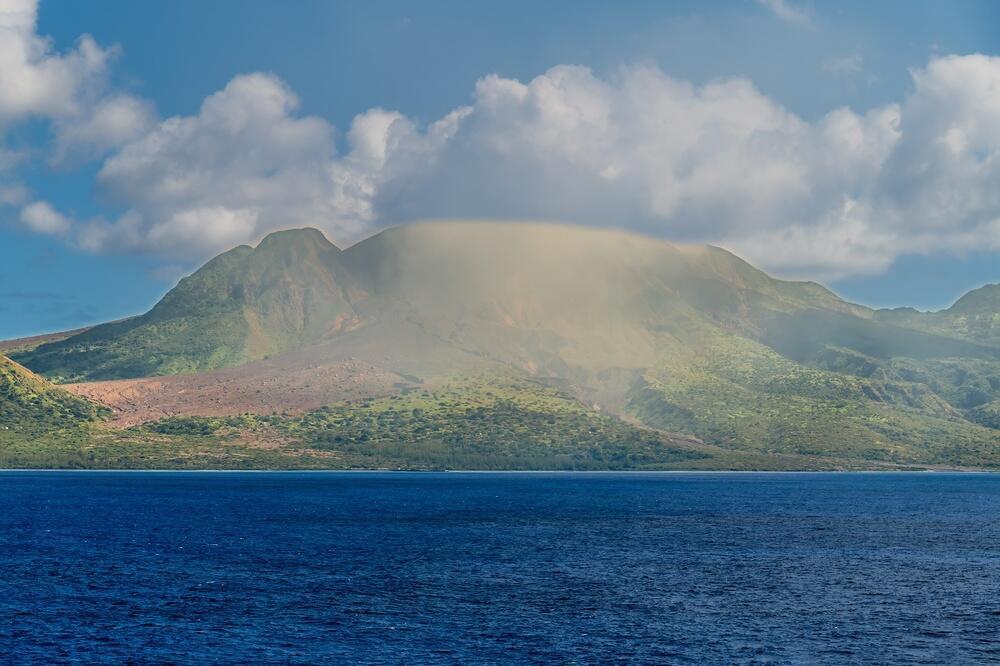
Montserrat, Caribbean: An escape amid a landscape shaped by a volcano
Montserrat is a relatively quiet island that remains off the itinerary of many travelers, but its pastoral landscape conceals a dramatic history. In 1995, the Soufrière Hills volcano came to life, and subsequent eruptions buried the capital, Plymouth, under volcanic material. Today, the remains of the city are among the island’s most notable sites, though visits are permitted only with a certified guide. Lush forests and dark-sand beaches stretch across the surrounding landscape, a combination that led Lonely Planet to highlight the island as an escape amid scenery shaped by a volcano.
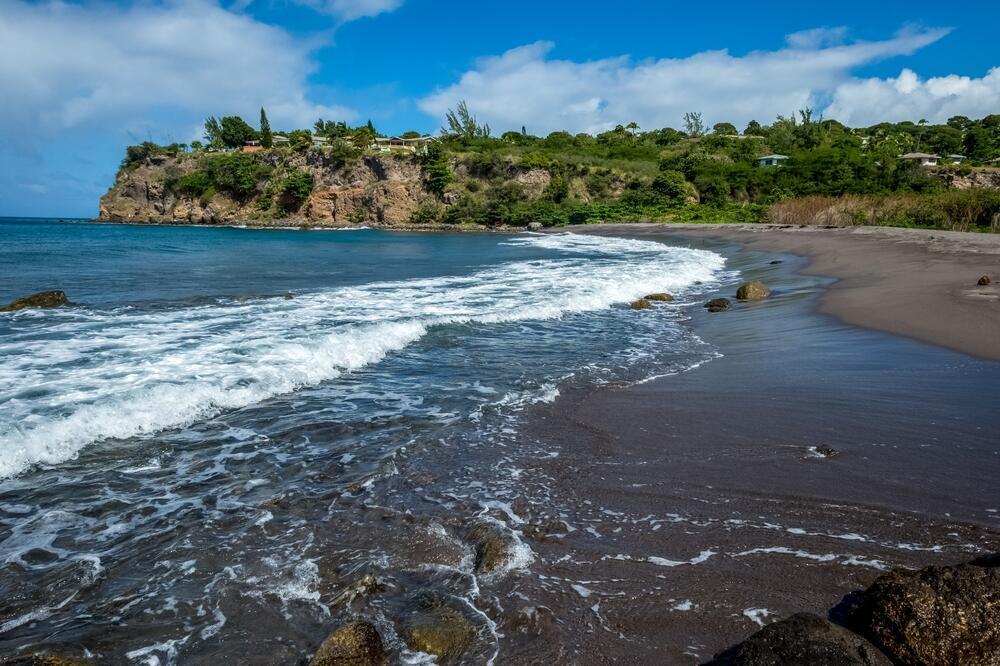
An abandoned area on the Caribbean island of Montserrat
(Photo: 279photo Studio / Shutterstock)
Skanör and Falsterbo, Sweden: A quiet summer of beaches and colorful huts
At the southern tip of Sweden, the Skanör-Falsterbo peninsula is surrounded by long sandy beaches, with colorful bathing huts scattered among the dunes. The towns of Skanör and Falsterbo offer historic buildings, cafes and restaurants, and visitors can combine time at the beach with walking and cycling. The area also lies along one of Northern Europe’s major bird migration routes. Lonely Planet selected it for its relaxed summer atmosphere.
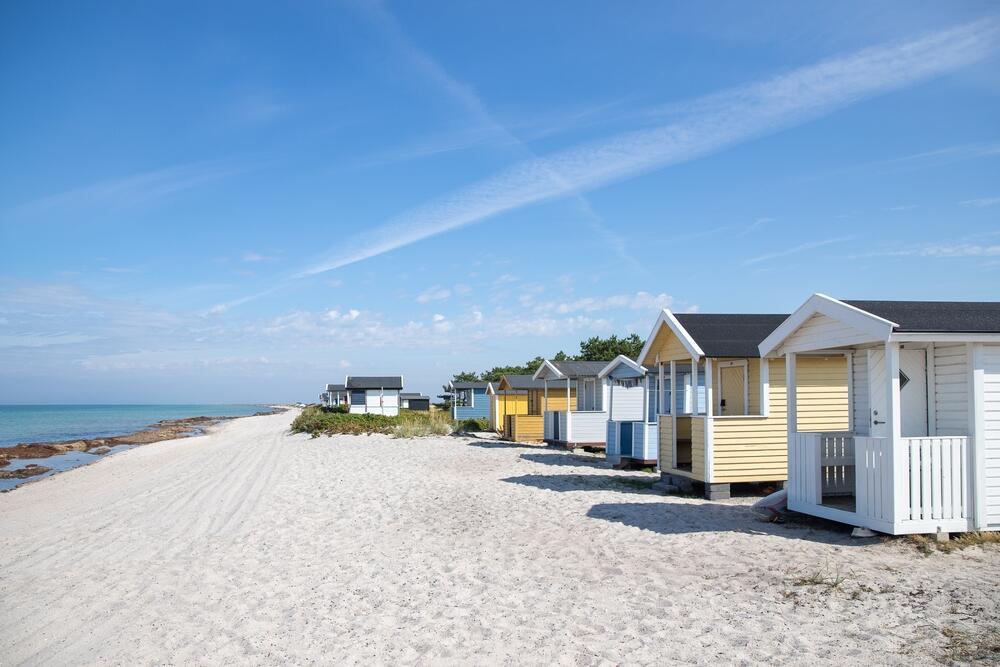
Pastel-colored beach huts in Skanör, southern Sweden
(Photo: Caroline Ericson / shutterstock)
León, Spain: Camino history and nightlife
In León, two very different sides of northwestern Spain come together: the history of the Camino de Santiago, the pilgrimage route to Santiago de Compostela, and nightlife that continues into the early hours.
Among the city’s essential stops is its Gothic cathedral, whose stained-glass windows cover some 1,765 square meters (19,000 square feet), as well as the Barrio Húmedo district around Plaza de San Martín. In the evening, it is customary to hop from bar to bar and sample tapas, which in many places are served with drinks at no additional charge.
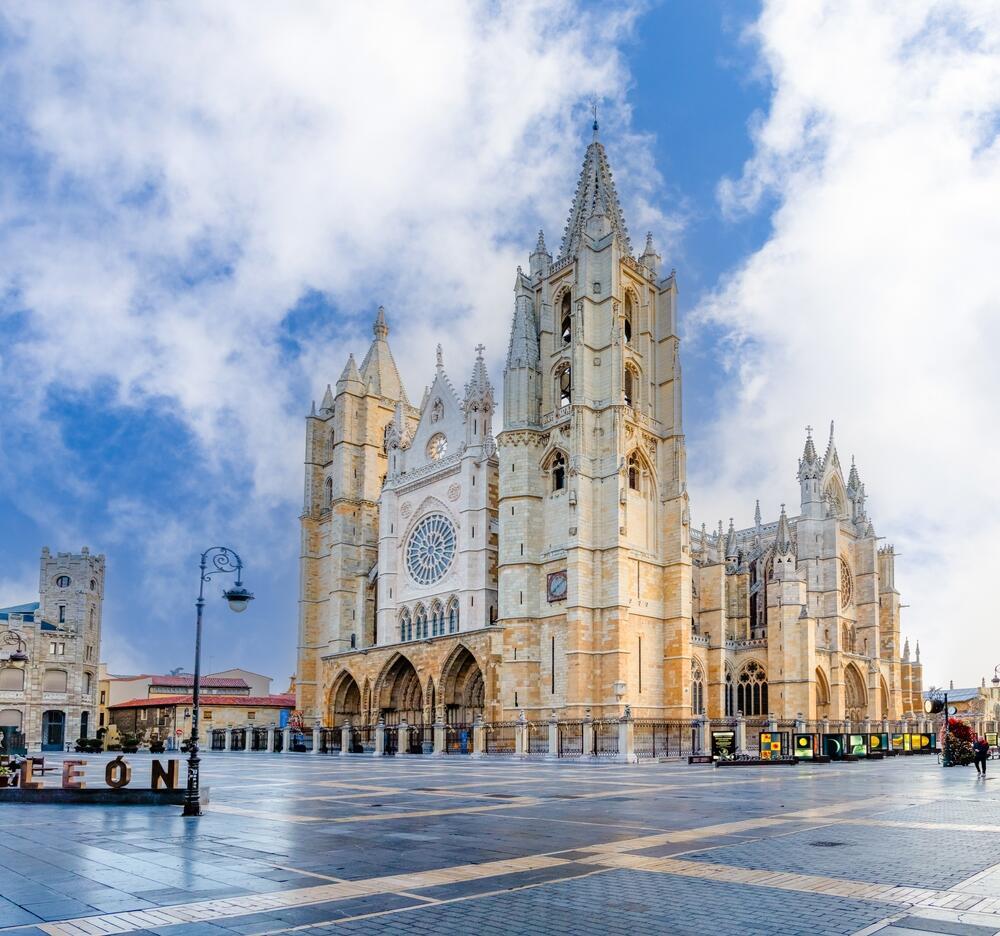
The facade of the Gothic cathedral in León, Spain
(Photo: Jose Luis Vega / shutterstock)
Okinawa, Japan: A subtropical island culture
Okinawa offers a different side of Japan, with a subtropical climate and a distinct local identity shaped over centuries. Central to its story is the Ryukyu Kingdom, which once ruled the region and maintained trading ties with Japan, China and Southeast Asian countries.
The meeting of these cultures remains evident today in the local cuisine, music and crafts. The remains of castles and other sites associated with the kingdom were collectively designated a UNESCO World Heritage Site in 2000. This cultural legacy is also what Lonely Planet emphasizes in its selection of Okinawa.
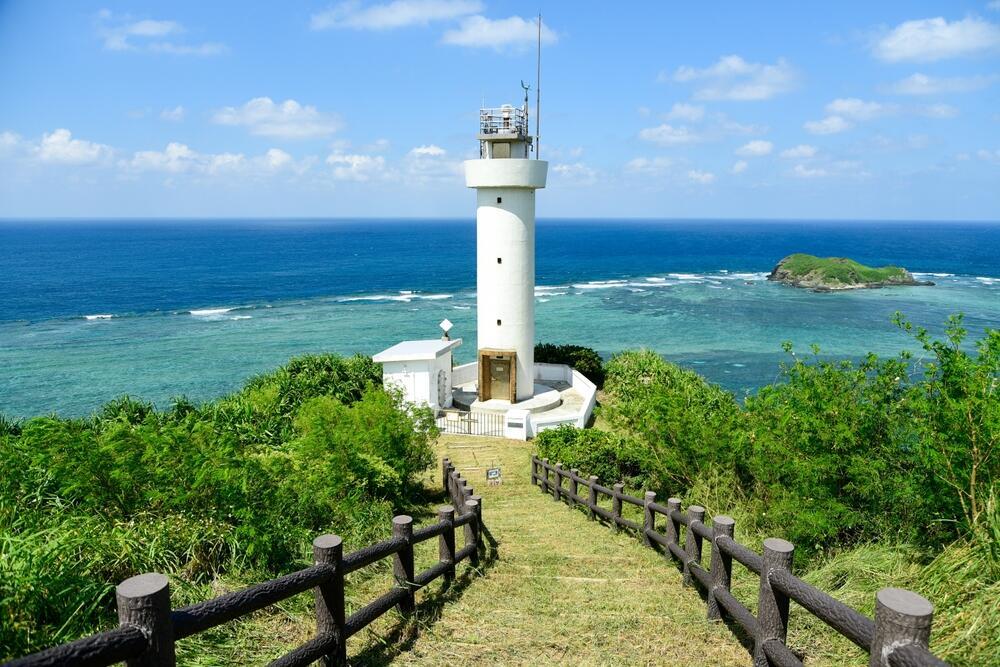
Ishigaki Island in Okinawa, Japan
(Photo: Raicho / shutterstock)
Valle de Guadalupe, Mexico: Discovering Baja’s wine country
Near Ensenada in Baja California lies Valle de Guadalupe, home to more than 100 wineries, ranging from large producers to boutique operations. A visit can combine tastings and vineyard tours with meals at local restaurants, while accommodations reflect the character of the region, with boutique hotels, cabins and glamping sites surrounded by vines.
Lonely Planet selected the valley as a way to discover Baja California’s wine country.
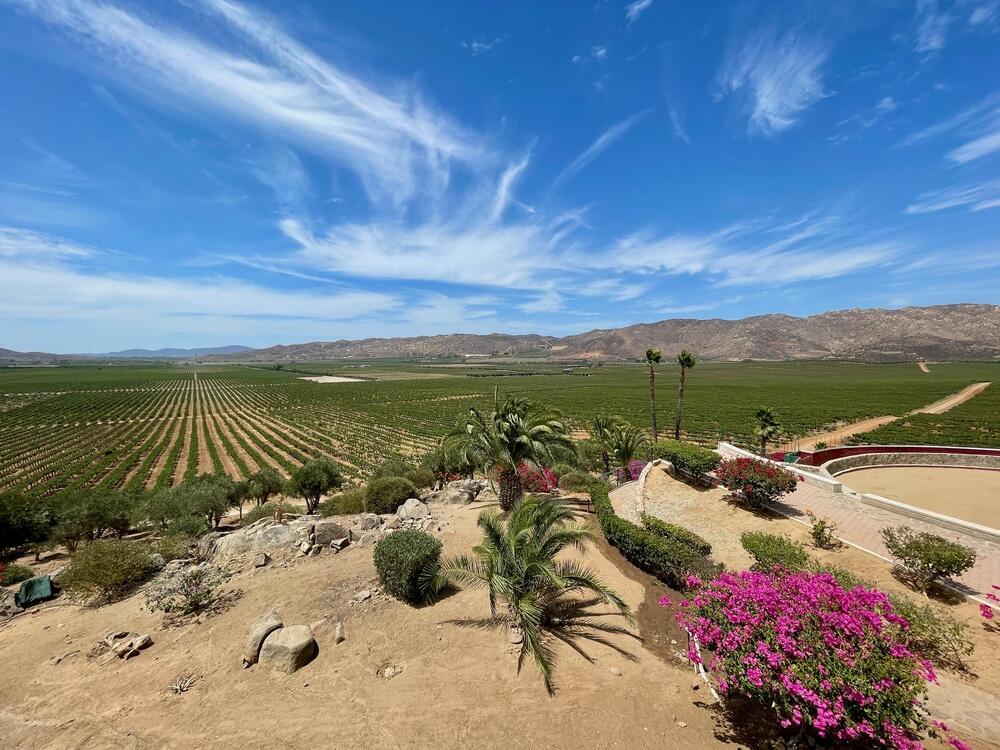
Vineyards and mountain scenery in Valle de Guadalupe, Mexico
(Photo: RCLPhotography / shutterstock)
Dessau, Germany: Back to the roots of Bauhaus
Few places are as closely associated with the history of Bauhaus as Dessau. The school of design, architecture and art founded by Walter Gropius moved to the city in 1925, with its famous building constructed in 1925-1926.
Today, visitors can tour the building and the Bauhaus Museum and see how ideas formulated about a century ago were expressed in architecture and everyday objects, from facades and windows to furniture and lighting fixtures. For architecture and design enthusiasts, this is the main reason to visit the city.

The Bauhaus school in Dessau, Germany
(Photo: Michal Szymanski / shutterstock)
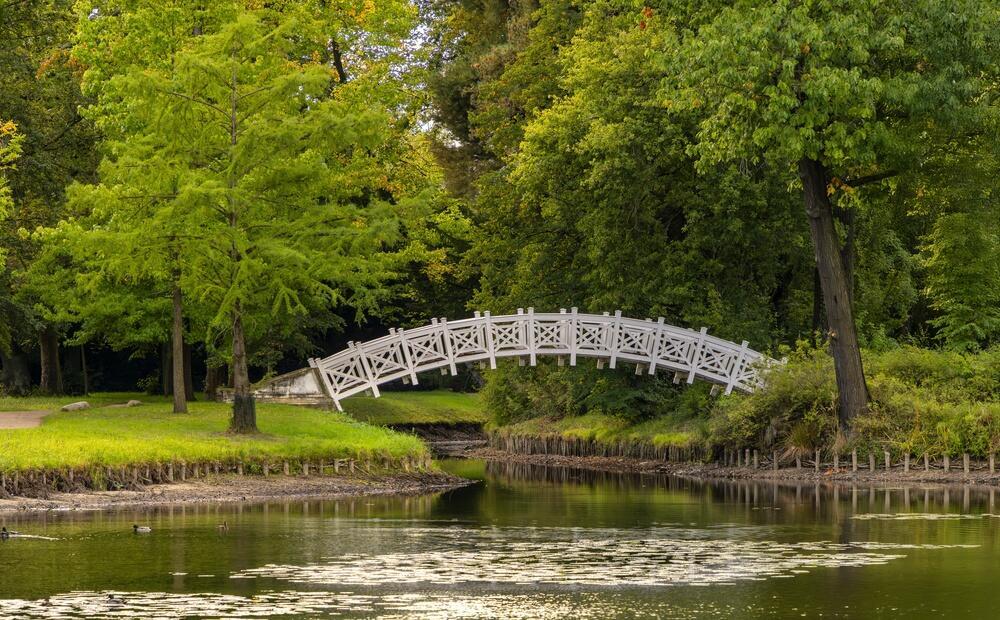
The Chinese Bridge in Wörlitz Park, part of Germany’s Dessau-Wörlitz Garden Realm
(Photo: Werner Spremberg/ shutterstock)
Killary Harbour, Ireland: All about the scenery
Some 16 kilometers (10 miles) of water between green slopes make Killary one of the standout stops in western Ireland. The fjord forms a natural boundary between counties Galway and Mayo and lies along the Wild Atlantic Way.
Visitors can stop for a scenic view while driving through the area or take a boat trip to see the slopes and mussel farms from the water. A visit fits easily into a trip through Connemara, with its mountains, lakes and country roads. Lonely Planet’s reason for recommending the area is simple: the scenery.
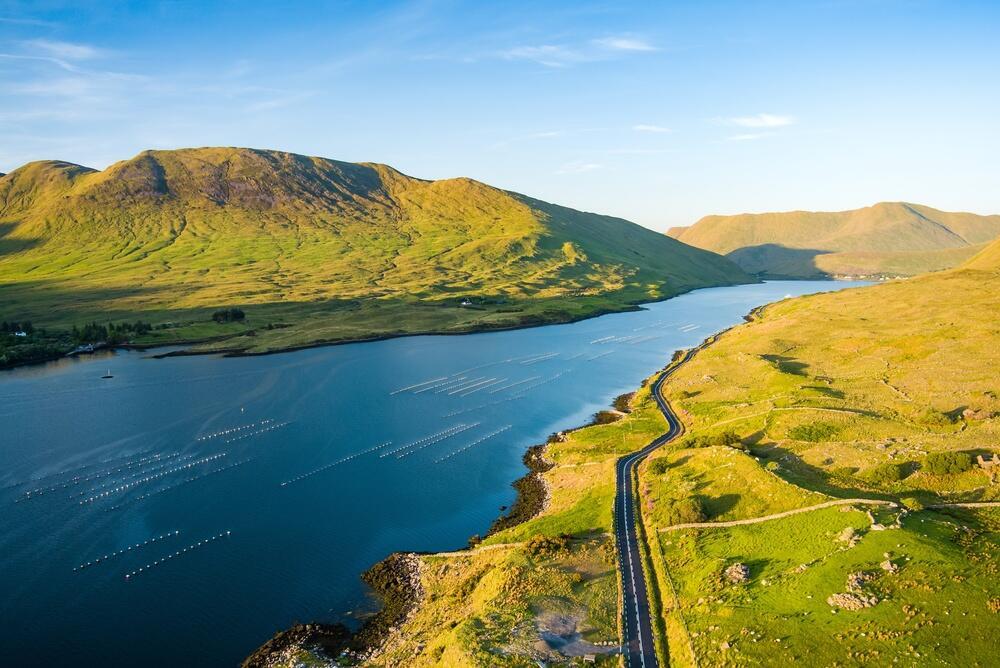
An aerial view of Killary Harbour on the border between counties Galway and Mayo, Ireland
(Photo: MNStudio / shutterstock)
São Tomé and Príncipe: Tropical forests off the coast of West Africa
This small island nation in the Gulf of Guinea, off the coast of West Africa, combines volcanic peaks, tropical vegetation and beaches. One of São Tomé’s most striking sights is Pico Cão Grande, a volcanic rock tower rising dramatically above the forest.
On Príncipe, visitors can follow forest trails to small bays and beaches, among the main attractions for travelers seeking a nature-focused vacation. Lonely Planet selected the country largely for the opportunity to discover tropical nature on islands that remain relatively little known to the wider traveling public.
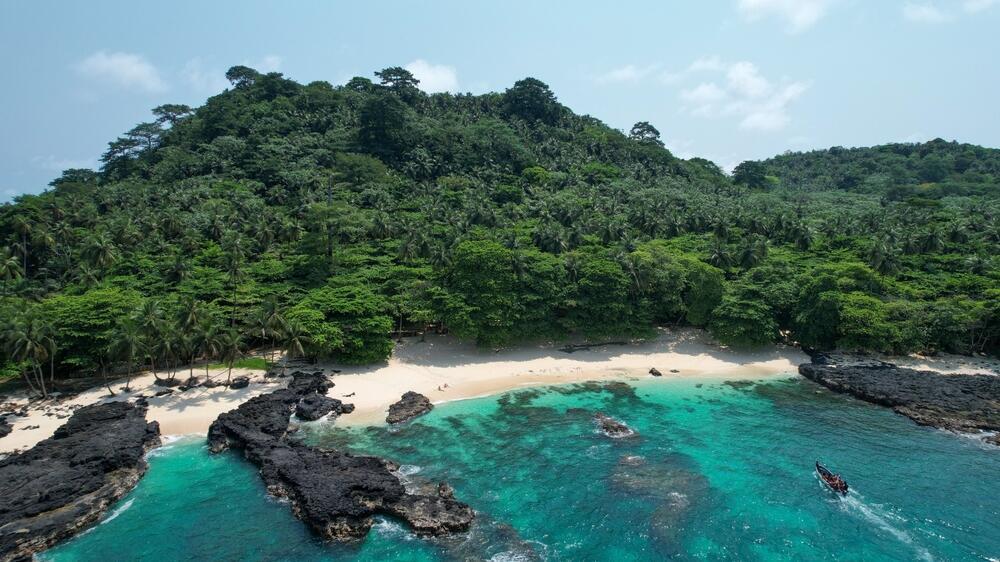
Praia Café on Ilhéu das Rolas, São Tomé and Príncipe, seen from the air
(Photo: Xinovap / shutterstock)