

When most people think of an island vacation in Europe, destinations such as Santorini, Mykonos, Crete, Sicily and Sardinia usually come to mind. But a new ranking paints a different picture. The islands that came out on top were not necessarily the most famous, but those that earned the highest scores based on weather, natural surroundings and dining options.
It is worth noting that this is neither an official ranking by an international tourism body nor a survey based on travelers' experiences. The ranking was published by Saga Holidays, a British travel company specializing in vacations and cruises for people aged 50 and older. It analyzed 80 European islands based on weather, green space and the availability of restaurants, cafés and bars. It did not take into account beach quality, prices, accessibility or visitor satisfaction.
The islands that came out on top earned the highest scores based on weather, natural surroundings and dining options
(Credit: Gilad Topaz)


According to Saga, the islands were selected from Europe's major archipelagos and destinations popular with British travelers. The final score was based on three categories: weather, including sunshine, rainfall, wind and temperature comfort; the number of restaurants, cafés and bars relative to the island's size; and green space, measured by both its total area and its share of the island's land.
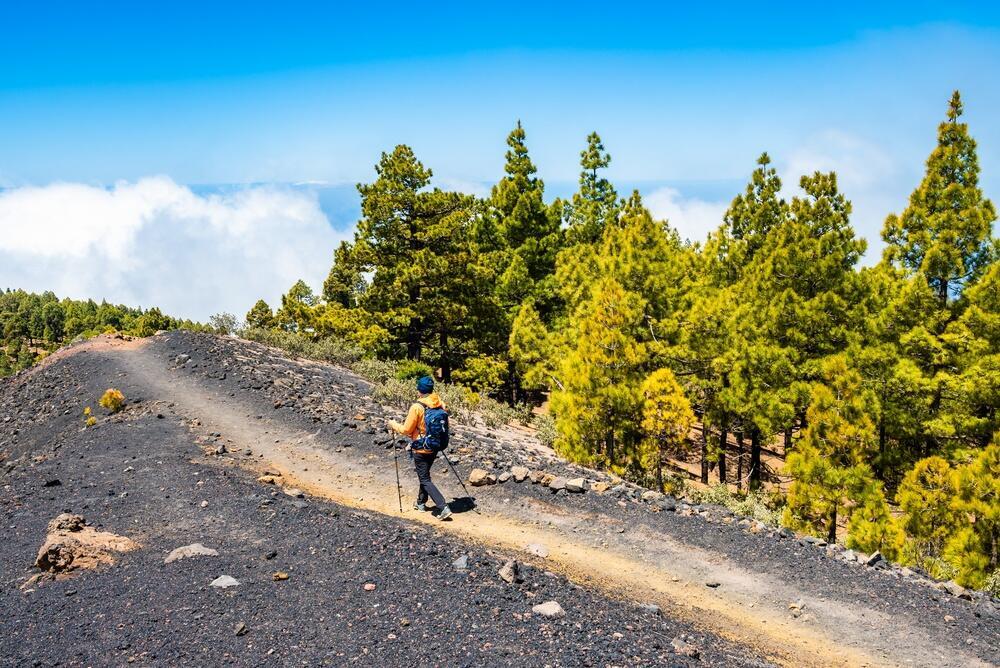
Nature carried the greatest weight in the rankings, accounting for 45% of the final score. Weather made up 35%, while food and drink options contributed 20%. In other words, the ranking favors islands that are green, pleasant and well suited for a relaxing vacation rather than those that are the most luxurious, popular, affordable or easiest to reach.
Tenerife, Spain
The largest of the Canary Islands took first place with a score of 95 out of 100, thanks to its combination of mild weather, volcanic landscapes, green spaces and strong dining options. According to Saga, Tenerife's weather was its biggest advantage, which comes as little surprise for one of Europe's best-known sunshine destinations.
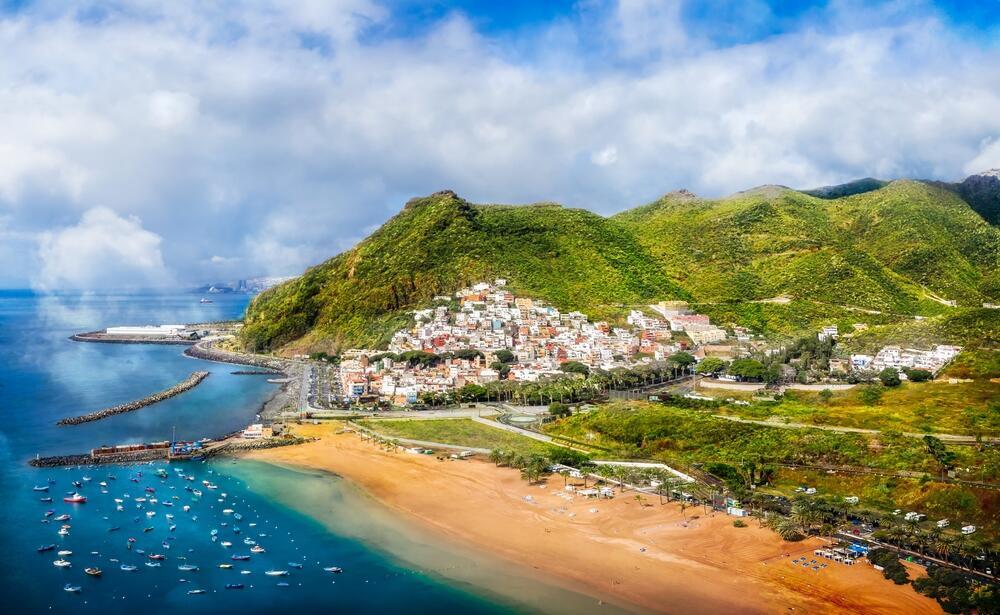
Tenerife, Spain
(Photo: Balate.Dorin / shutterstock)
La Palma, Spain
Another Canary Island claimed second place. La Palma scored 94 out of 100. Less well known than Tenerife or Gran Canaria, it stood out for its lush natural environment. The island is also recognized as a UNESCO World Network of Biosphere Reserves.
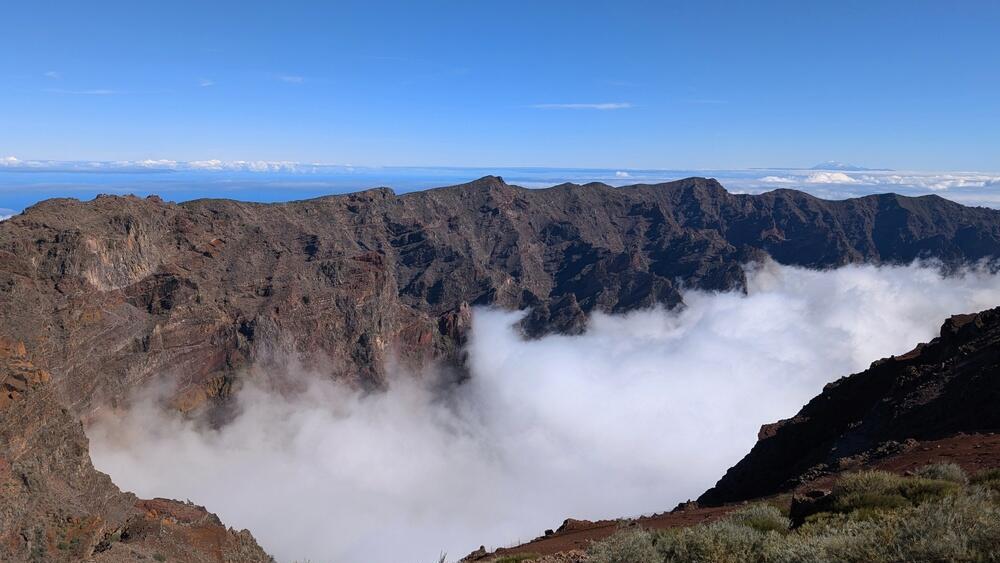
La Palma, Spain
(Photo: Alexandra Lande / shutterstock)
Madeira, Portugal
Madeira, the Portuguese island in the Atlantic Ocean, ranked third with 93 out of 100. It is known for its mountains, cliffs, forests and exceptionally green landscapes — exactly the qualities that helped it climb to the top of the rankings. According to Saga, its UNESCO-listed laurel forests are among its defining features.
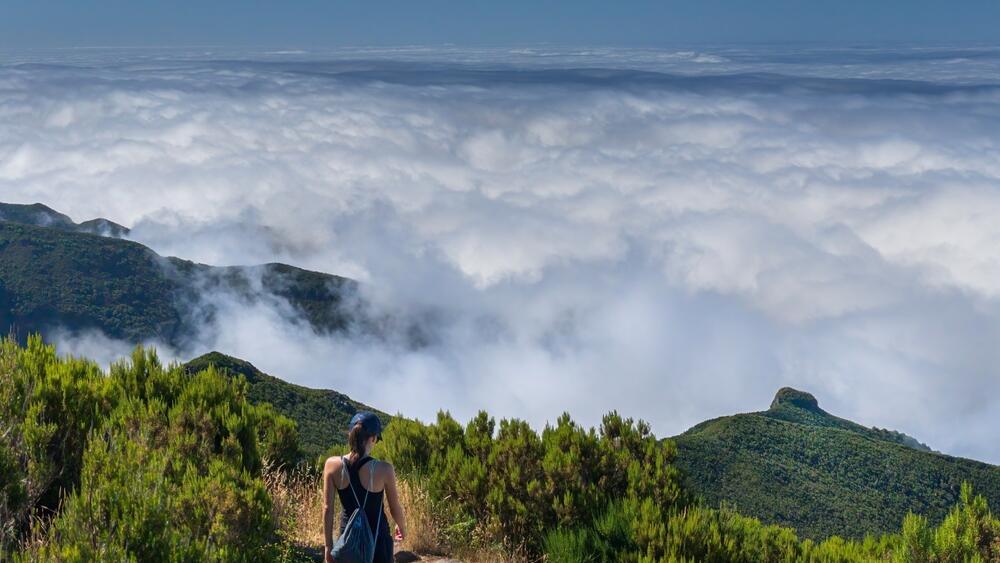
Madeira, Portugal
(Photo: Alejandro Vallejo / shutterstock)
Korčula, Croatia
The Dalmatian island of Korčula ranked fourth with 92 out of 100. The relatively small island is home to a medieval old town, beaches and lush scenery. The fact that two Croatian islands placed in the top five highlights the strong showing of the Adriatic islands, driven not by luxury or commercial appeal but by nature and lower visitor density.
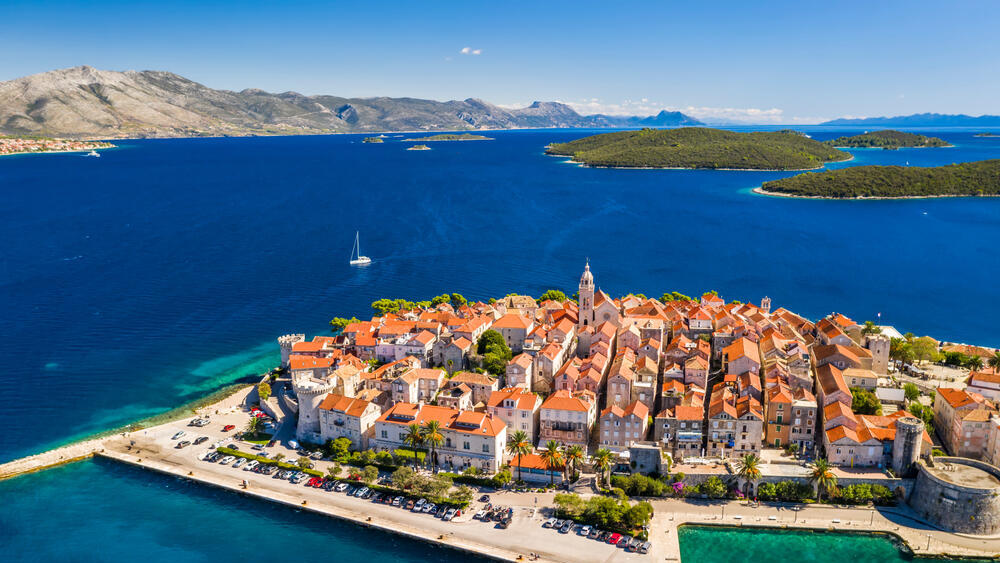
Korčula, Croatia
(Photo: fogcatcher / shutterstock)
Mljet, Croatia
Mljet rounded out the top five with a score of 90 out of 100. Considered one of Croatia's greenest islands, it performed especially well in Saga's green-space category. It also illustrates the ranking's methodology: the winner is not necessarily the best-known destination but the one that scores highest across nature, weather and food.
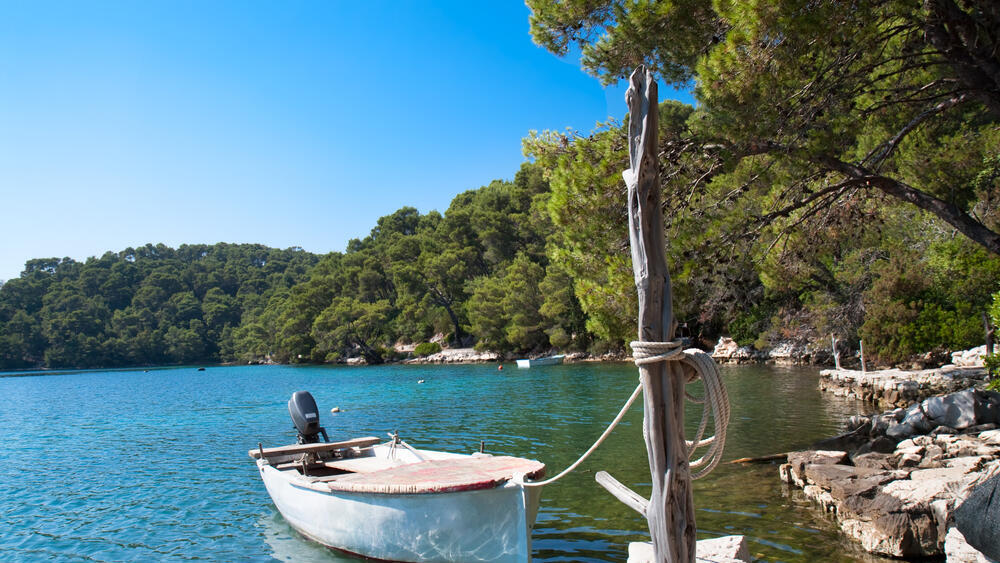
Mljet, Croatia
(Photo: Aleksandar Todorovic / shutterstock )
Mallorca, Spain
For many European travelers, Mallorca is the most familiar name in the top 10. The Balearic island ranked sixth with 89 out of 100 thanks to its Mediterranean climate, well-developed tourism infrastructure and wide range of dining options. Still, it finished behind the Canary Islands and several Croatian destinations.
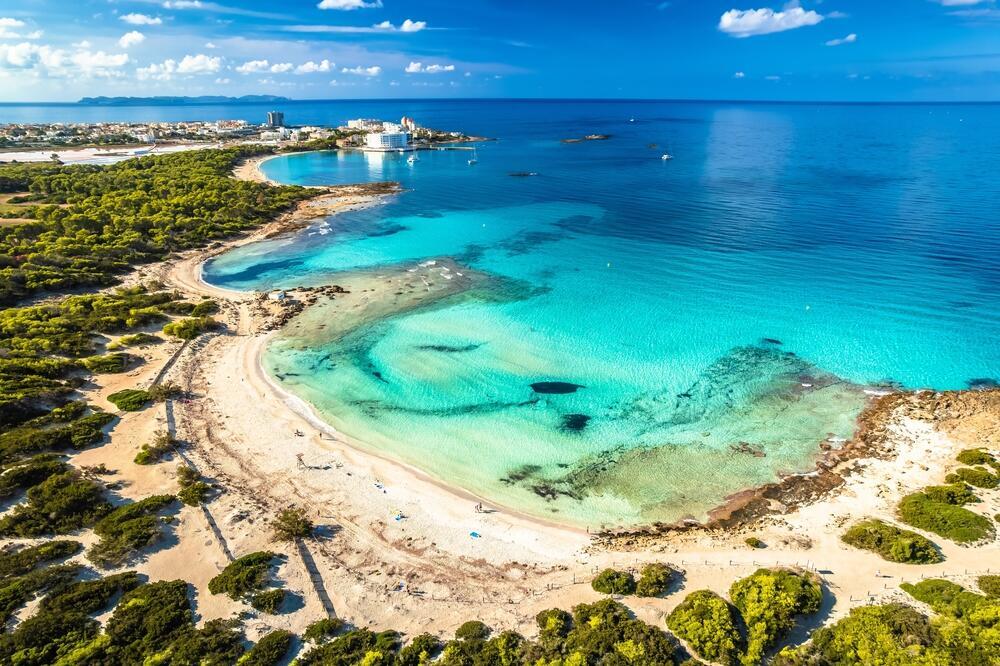
Mallorca, Spain
(Photo: xbrchx / shutterstock)
Lošinj, Croatia
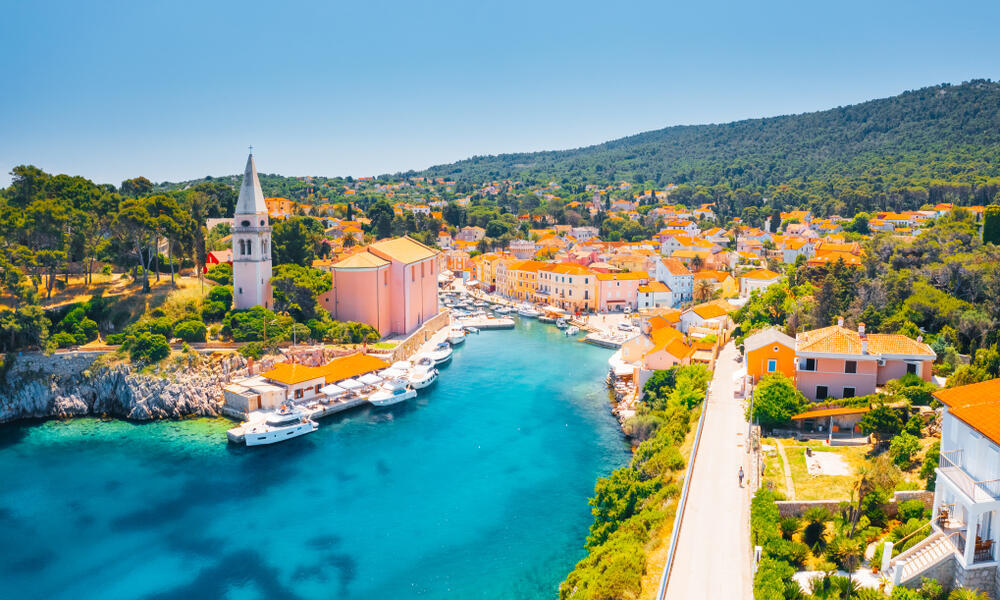
Lošinj, one of Croatia's Kvarner Gulf islands, came in seventh with a score of 88 out of 100. The island strengthened Croatia's presence in the rankings thanks to its natural scenery, beaches and green landscapes. Its inclusion also underscores that the ranking extends beyond the continent's best-known tourist hotspots.
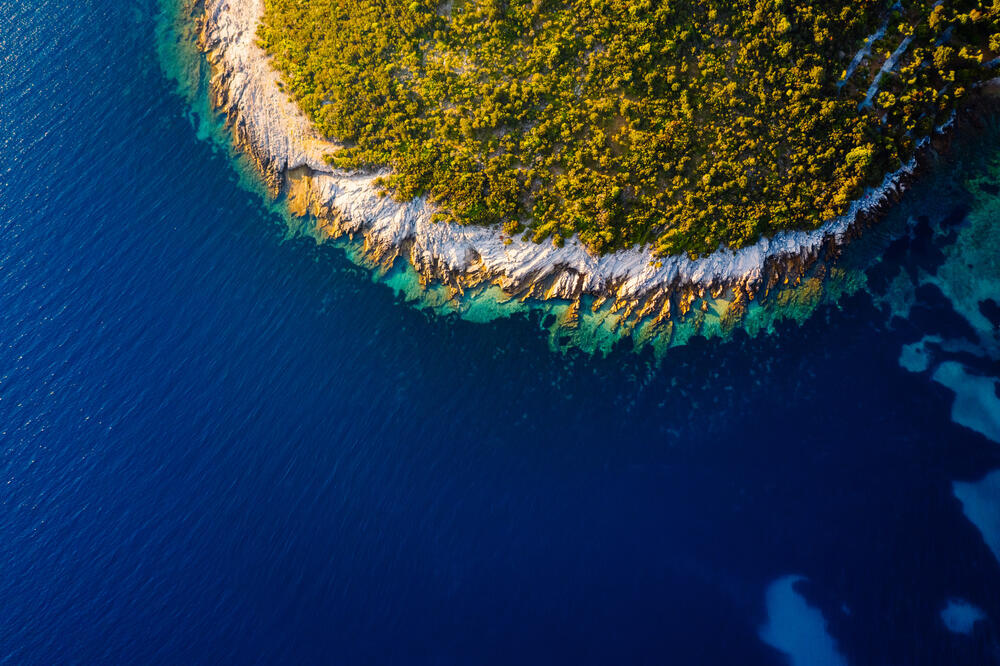
Lošinj, Croatia
(Photo: Creative Travel Projects / shutterstock)
Lošinj, Croatia
(Photo: Creative Travel Projects / shutterstock)
Brač, Croatia
One of Dalmatia's best-known islands, Brač ranked eighth with 87 out of 100. While famous for its beaches and scenery, it earned its place thanks to a broader combination of green space, weather and culinary offerings. Croatia's dominance in the top 10 continued with its fourth island on the list.
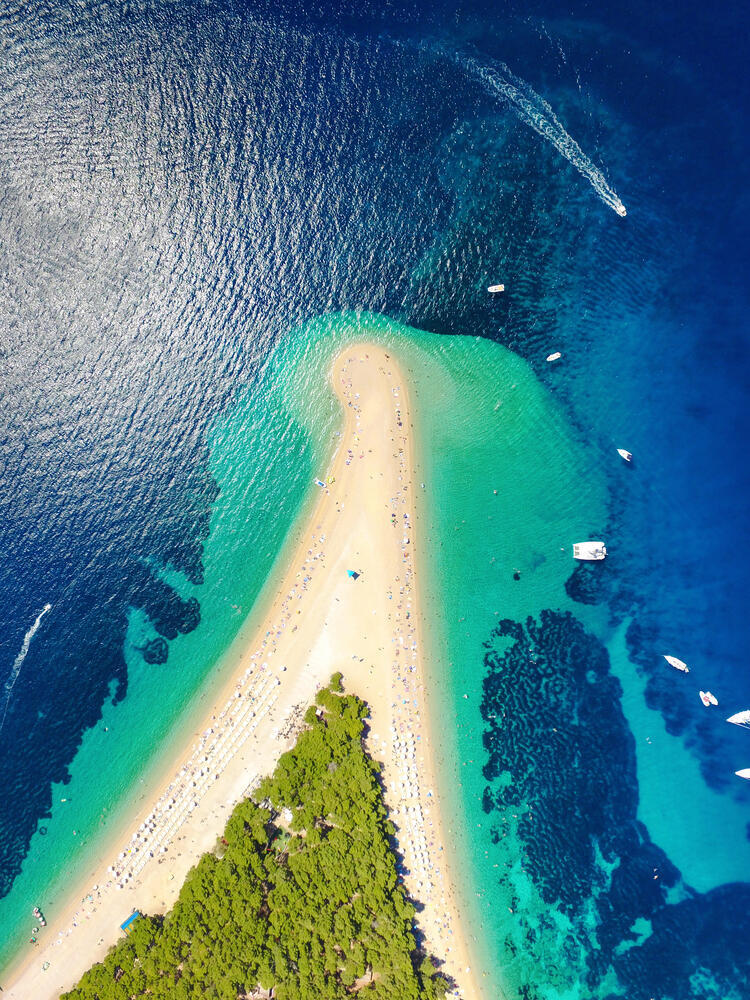
Brač, Croatia
(Photo: paul prescott / shutterstock)
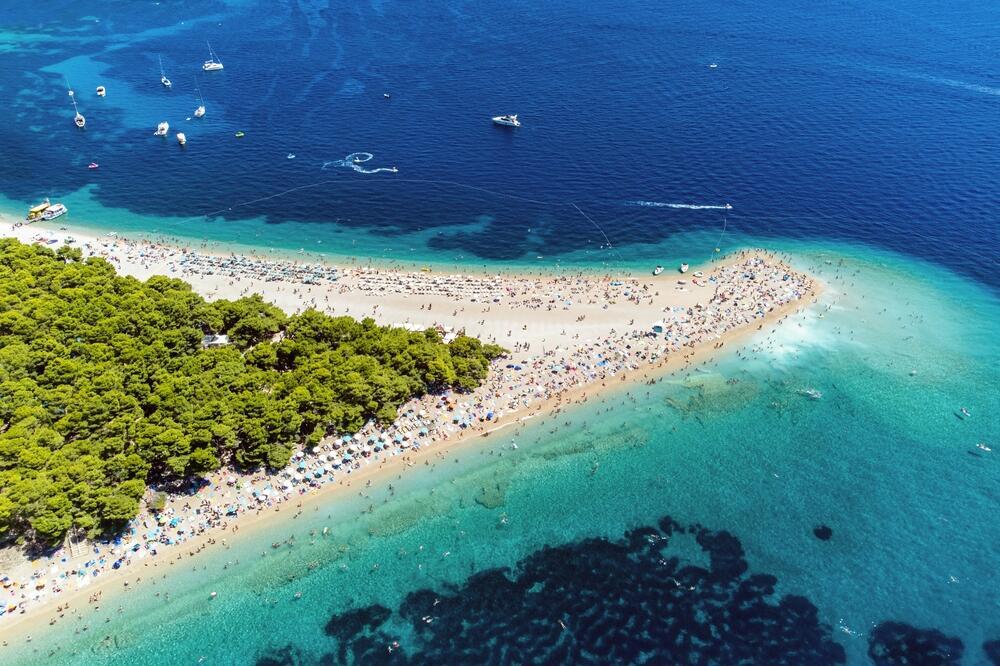
Brač, Croatia
(Photo: Wirestock Creators / shutterstock)
Gran Canaria, Spain
Gran Canaria placed ninth with a score of 86 out of 100. Known for its year-round sunshine, it nevertheless ranked below Tenerife and La Palma because the overall score also reflected environmental and dining factors.
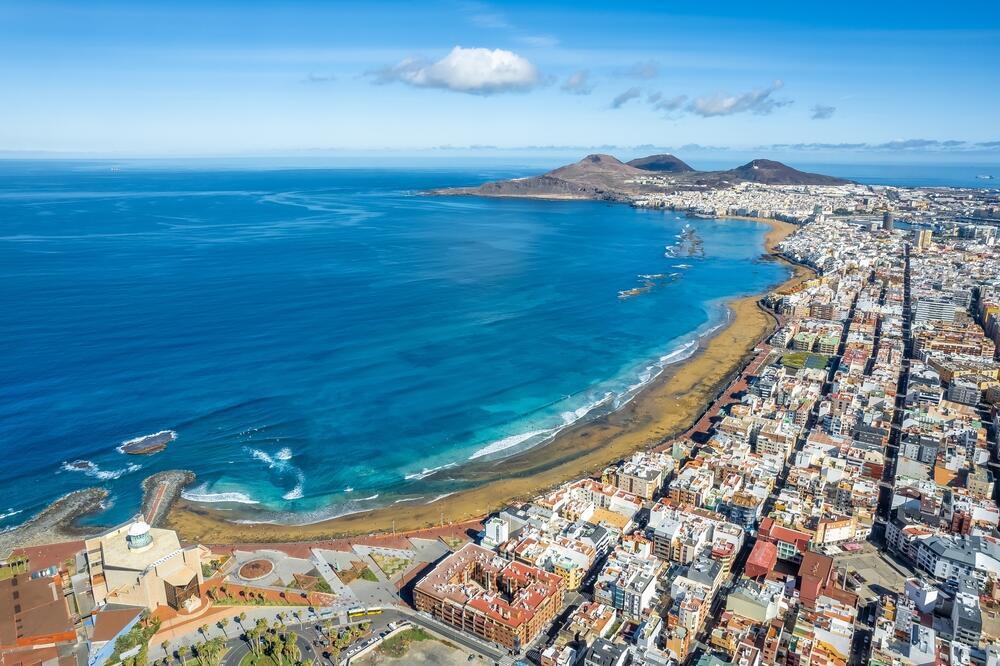
Gran Canaria, Spain
(Photo: Balate.Dorin / Shutterstock)
La Gomera, Spain
La Gomera completed the top 10 with 85 out of 100. Smaller and less well known than Tenerife or Gran Canaria, the island stood out for its pleasant climate and dramatic natural landscapes. Its inclusion further emphasizes the Canary Islands' dominance in the overall ranking.
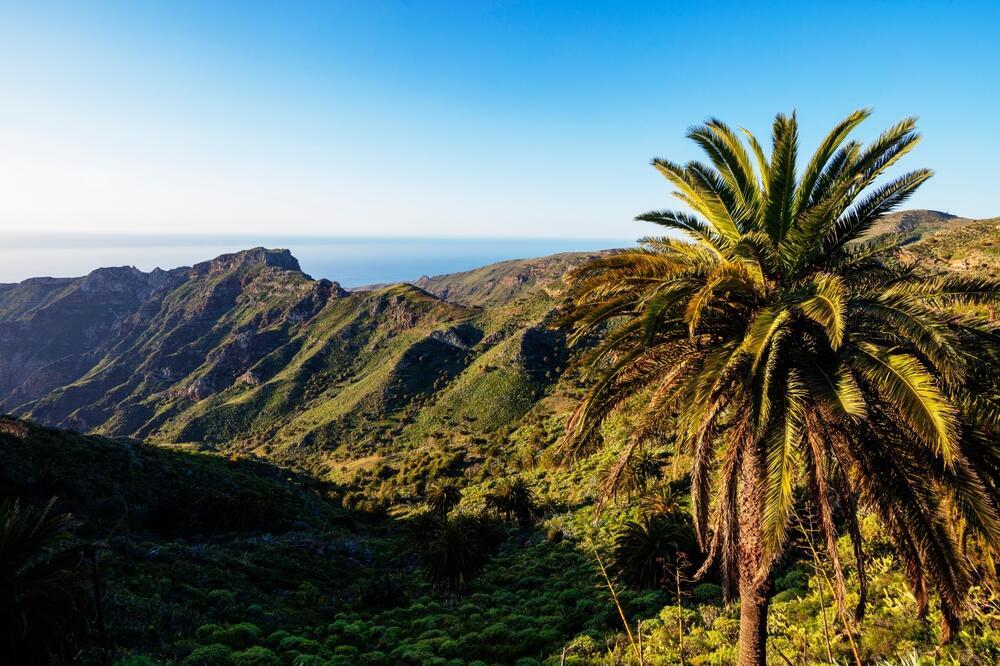
La Gomera, Spain
(Photo: Robert Harding Video / shutterstock)
What about Greece and Italy?
One of the ranking's most notable features is the absence of some of Europe's most iconic island destinations. Santorini, Mykonos, Crete, Sicily and Sardinia did not make the overall top 10. That does not mean they are less suitable for a vacation. Rather, the methodology — particularly the heavy emphasis on green space — favored other islands.
The picture looks very different in the food category. Capri ranked first, followed by Sardinia in second and Santorini in third. In other words, even islands that missed the overall top 10 still topped individual categories, depending on what travelers are looking for in a vacation.