


IDF spokesperson Brig. Gen Effi Defrin said on Wednesday that Israel achieved all the operational objectives in the fight against Iran, but added that it was too early to assess the full impact of the military campaign. " Our assessment is that we significantly disrupted the nuclear program and set it back by years,” Defrin said.
"I can say, in accordance with the statement of IAEA Director General Rafael Grossi, that there is an Iran before the operation - and there is an Iran after."
Gallery
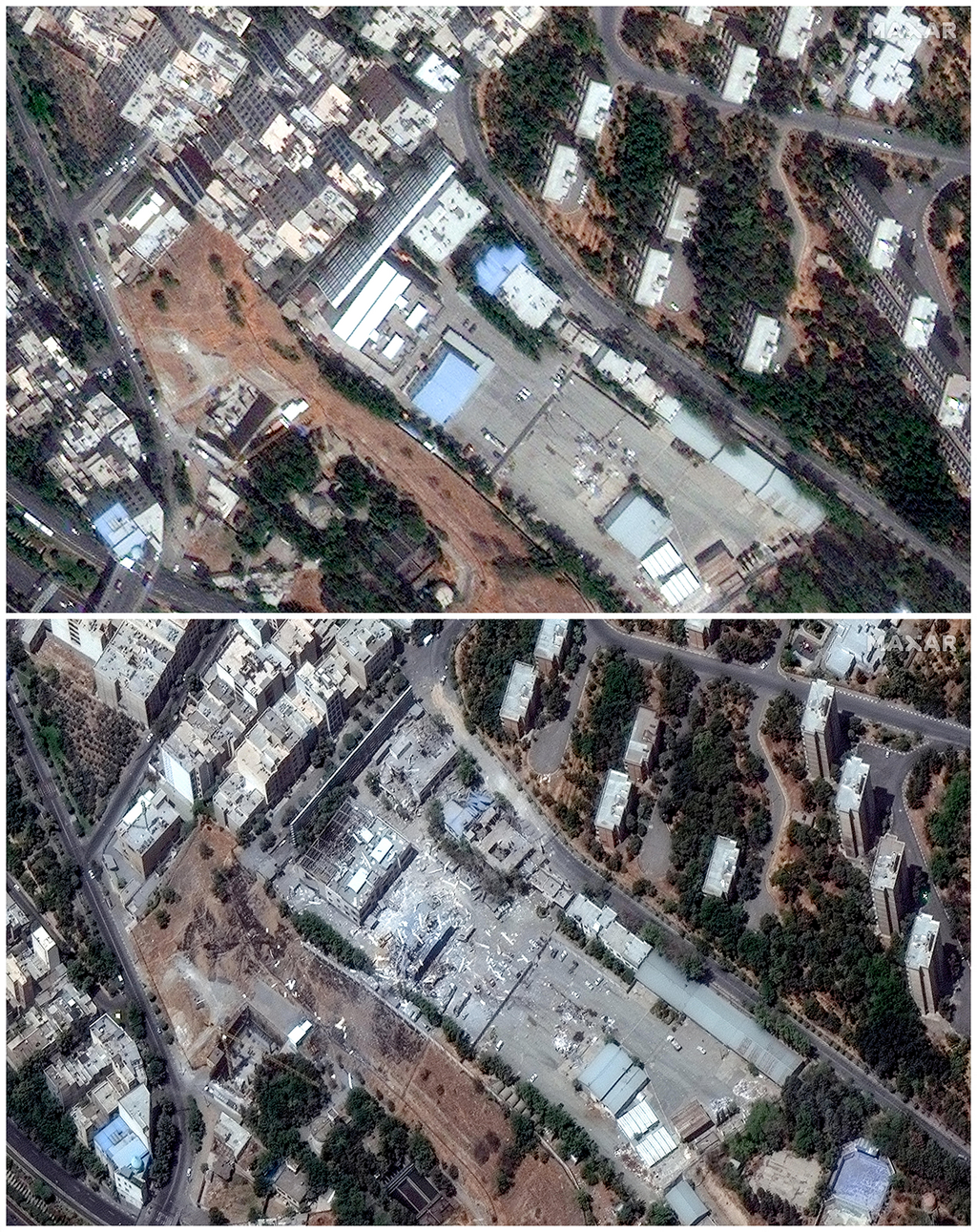
Before and after the university strike
(Photo: SATELLITE IMAGE ©2025 MAXAR TECHNOLOGIES / AFP)
Days after the U.S. Air Force struck Iran’s primary nuclear facilities, new satellite images released Wednesday reveal the scale of destruction caused by precision bunker-busting bombs dropped on Natanz, Fordow, Isfahan, and Shahid Rajaee University in Tehran.
Fresh imagery from Maxar Technologies shows extensive damage at the nuclear sites in Fordow, Natanz, and Isfahan. At Fordow—a fortified facility buried deep underground—multiple craters can be seen near key access routes, with clear evidence of destruction at the entrances and nearby support buildings, some of which were completely leveled.
In Isfahan, access tunnels to the site appear to have taken direct hits. Earlier reports suggested the U.S. strike aimed to finish what Israeli air raids had started, targeting what remained after partial destruction by Israeli forces. Bloomberg reported that, although the U.S. deployed highly destructive munitions, it appeared to deliberately avoid striking three small research reactors still operating at the Isfahan facility. Built by China in 1991, those reactors contain approximately 900 grams of weapons-grade enriched uranium.
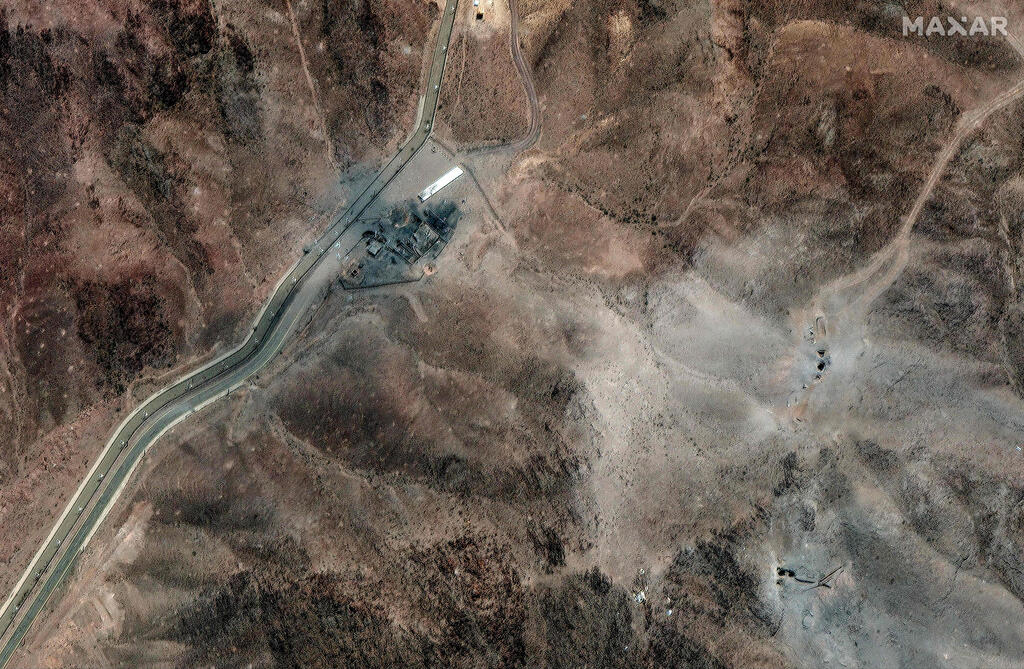
The Fordow facility
(Photo: MAXAR TECHNOLOGIES/Handout via REUTERS , SATELLITE IMAGE ©2025 MAXAR TECHNOLOGIES / AFP)
At Natanz, satellite images reveal two distinct craters left by the U.S. strike, both of which have since been filled with earth. The International Atomic Energy Agency (IAEA), which convened an emergency meeting earlier this week in response to the attacks, warned that even limited damage to a low-yield nuclear reactor could set a dangerous international precedent. The agency has demanded that Iran disclose the current location of its enriched uranium stockpile. Tehran, for its part, accused the U.S. of inflicting severe harm on diplomatic efforts aimed at curbing nuclear proliferation.
Pentagon intel: “Strikes only delayed Iran’s nuclear program by a few months”
According to a CNN report citing early assessments by the Pentagon’s Defense Intelligence Agency (DIA), the U.S. strikes failed to destroy core components of Iran’s nuclear weapons infrastructure and merely delayed its progress by several months. The internal assessment, which has not been publicly released, contradicts earlier statements by President Trump and Defense Secretary Gest, who both claimed the nuclear program had been “completely eliminated.”
Get the Ynetnews app on your smartphone: Google Play: https://bit.ly/4eJ37pE | Apple App Store: https://bit.ly/3ZL7iNv
Sources cited in the report noted that Iran’s enriched uranium stockpile remained intact and that most centrifuges survived the attack. The New York Times likewise reported that U.S. intelligence believes the damage was limited. Israeli sources echoed this view, stating that the Fordow facility remained operational.
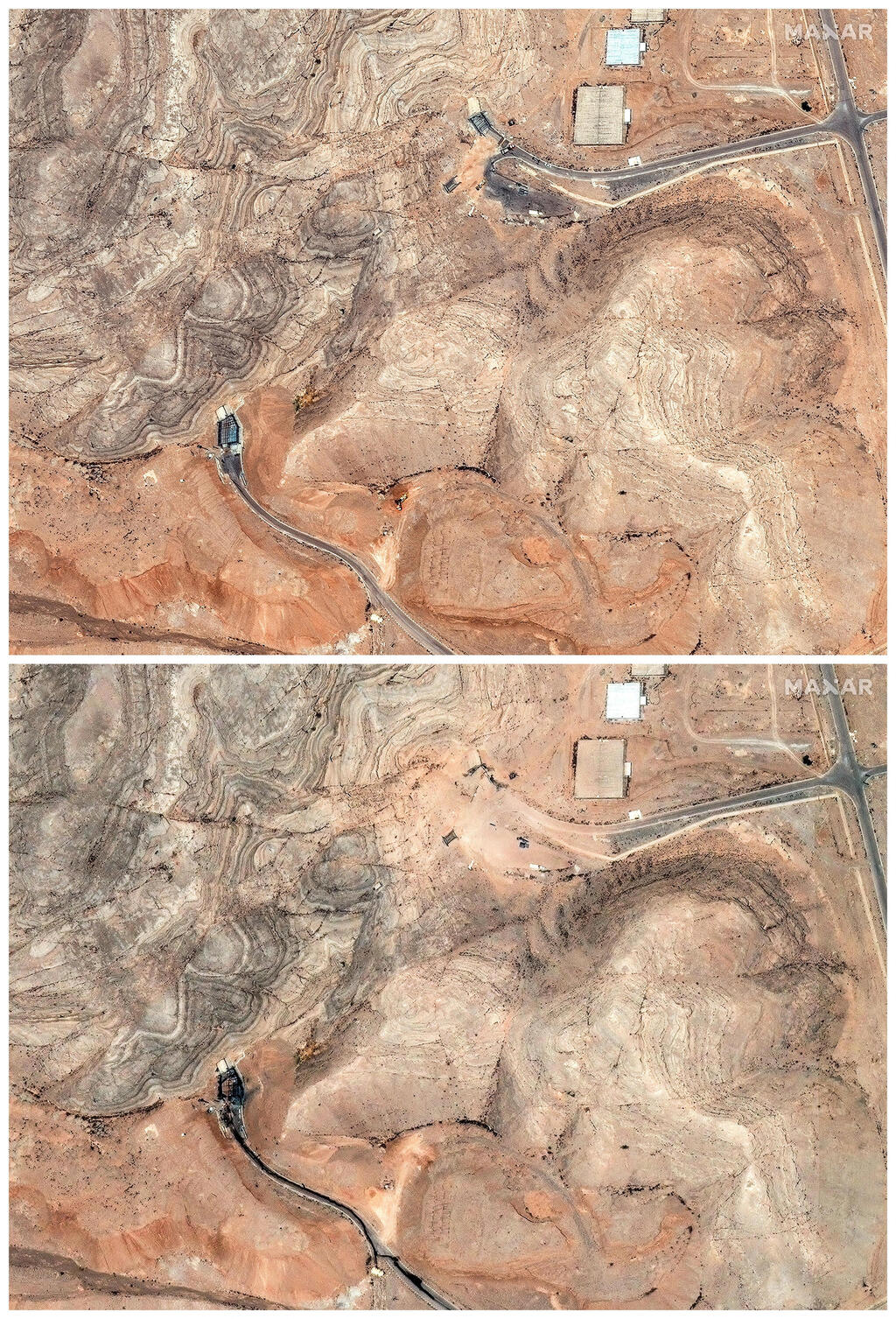
Before and after the Isfahan strike
(Photo: MAXAR TECHNOLOGIES/Handout via REUTERS , SATELLITE IMAGE ©2025 MAXAR TECHNOLOGIES / AFP)
A White House spokesperson confirmed the existence of the DIA report to CNN but emphasized that the administration does not accept its conclusions. U.S. Special Envoy to the Middle East, Steve Witkoff, called for an investigation into the leak, telling Fox News: “It’s obvious that leaking this kind of information is outrageous—a traitorous act.”