

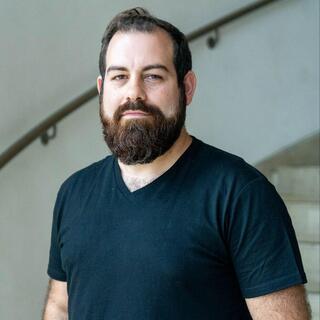
Incoming Mossad chief Roman Gofman asked the High Court of Justice to reject petitions against his appointment, sharply accusing Attorney General Gali Baharav-Miara of acting in bad faith after she submitted what she described as new information about him to the court.
The court has said the information would not change its decisions so far in the case, which centers on petitions challenging Prime Minister Benjamin Netanyahu’s appointment of Gofman, currently his military secretary, to lead the spy agency. Gofman is slated to replace David Barnea in June.
Gallery
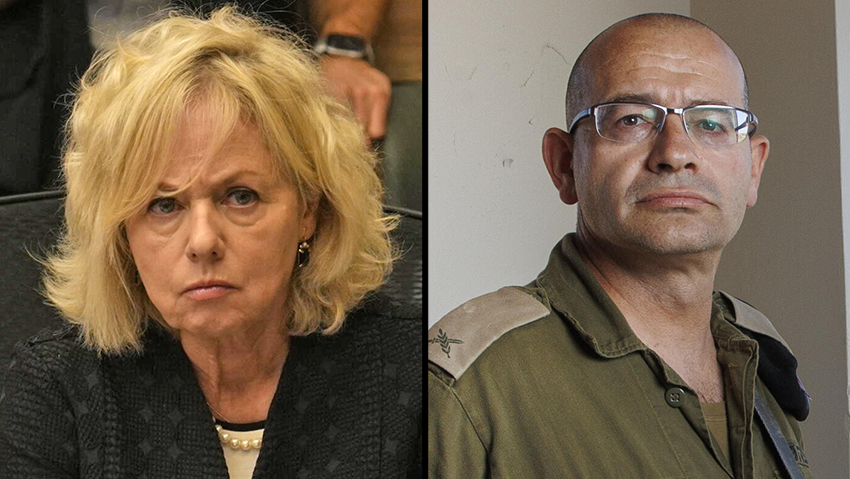
Attorney General Gali Baharav-Miara, incoming Mossad chief Roman Gofman
(Photo: Gil Nechushtan, Aggelos NAKKAS/AFP)
“The attorney general’s claims are not true, to put it mildly,” Gofman’s attorney, Ohad Shalem, wrote in a response to the court. He said Baharav-Miara had been informed that Gofman asked all relevant parties not to contact Brig. Gen. G., a former senior Military Intelligence officer whose testimony has become central to the case.
“It is deeply regrettable that the attorney general, who is supposed to serve as a ‘gatekeeper,’ is acting in bad faith toward an IDF major general, and out of respect for her office, this is not the place to elaborate on the many procedural flaws she has caused.”
The court ordered Brig. Gen. G. to submit an affidavit about a phone call he had with Gofman concerning Ori Elmakayes, a minor allegedly used in an IDF influence operation while Gofman commanded the 210th Division in the Northern Command.
According to Gofman’s response, the issue of Brig. Gen. G.’s continued work at the Mossad came up during a prearranged transition meeting with the agency’s human resources leadership. Gofman said he replied that he could make decisions on personnel matters only after formally taking office.
Once he was told Brig. Gen. G. might be required to submit an affidavit, Gofman said he asked that no one contact him on any matter related to his employment until the court issued a ruling. Gofman said the request was meant to protect the integrity of the proceedings.
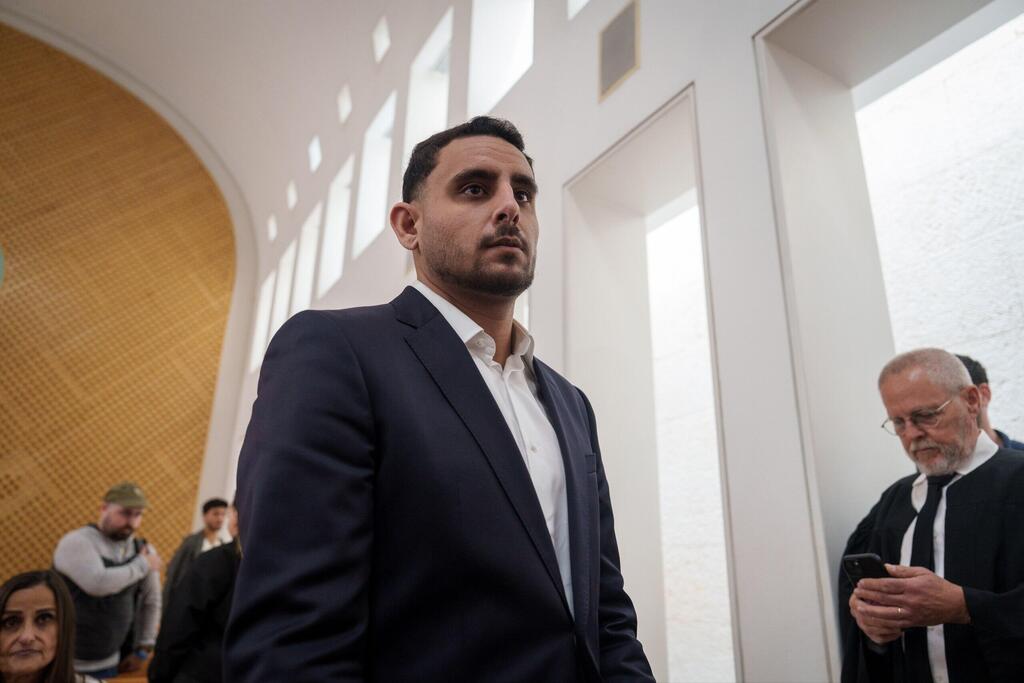
Ori Elmakayes in court
(Photo: Shalev Shalom)
The attorney general’s office had told the court that Gofman discussed Brig. Gen. G.’s continued employment at the Mossad before the court decided to seek his affidavit. Authorities were examining whether Gofman improperly communicated with an officer expected to provide evidence in the case and failed to report it.
Gofman denied any improper contact, saying he did not meet privately with Brig. Gen. G. or discuss the petitions with him. He said any meeting they both attended took place as part of the Mossad transition process and included others.
Shalem wrote that all material related to Brig. Gen. G. and relevant to the proceedings had already been included in the documents before the Senior Appointments Advisory Committee, known as the Grunis Committee, months earlier.
He said the agreement by the prime minister and government to allow Brig. Gen. G.’s affidavit arose only during the court hearing and could not have been anticipated. Gofman, he said, had no reason to expect the court would order him to submit an additional affidavit or that routine transition work at the Mossad would affect the factual record before the committee.
The High Court said Thursday that no confidentiality had been imposed on the attorney general’s submission. The government also asked the court to remove any immunity from the document, arguing that its purpose was to continue damaging Gofman and derail the appointment. The court said the attorney general’s submission did not change the decisions it had issued to date.
The petitions against Gofman focus on questions of integrity arising from the Elmakayes affair. According to the case record cited in court, the key issue is whether Gofman misled investigators about the use of Elmakayes in an influence operation. The possible central indication is the phone call between Gofman and Brig. Gen. G. before Elmakayes was arrested over alleged leaks to Telegram.
Criticism has focused on the fact that Brig. Gen. G. did not testify before the Grunis Committee, which approved the appointment on questions of integrity. The High Court has now asked for his affidavit before ruling on the petitions.